
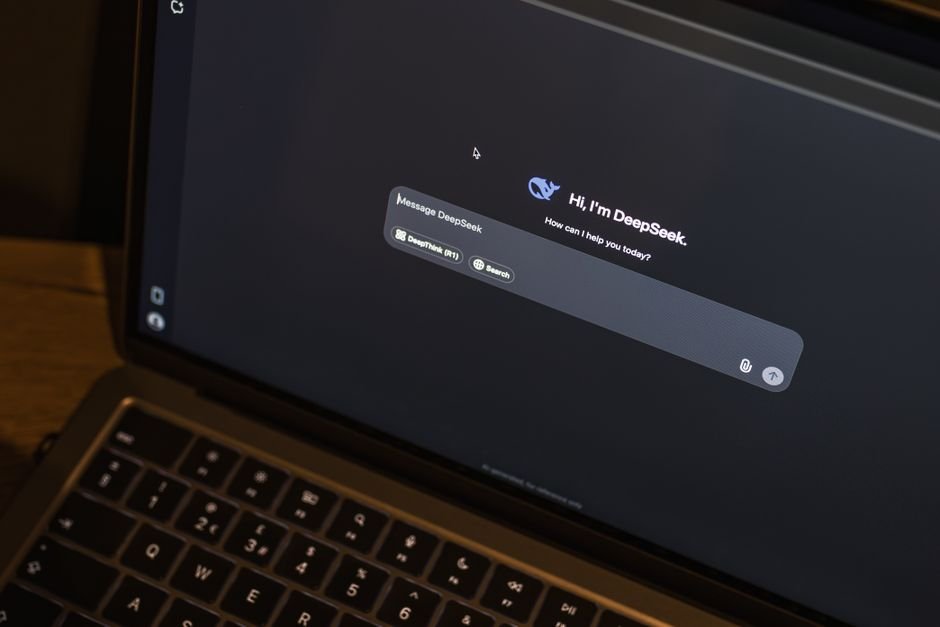
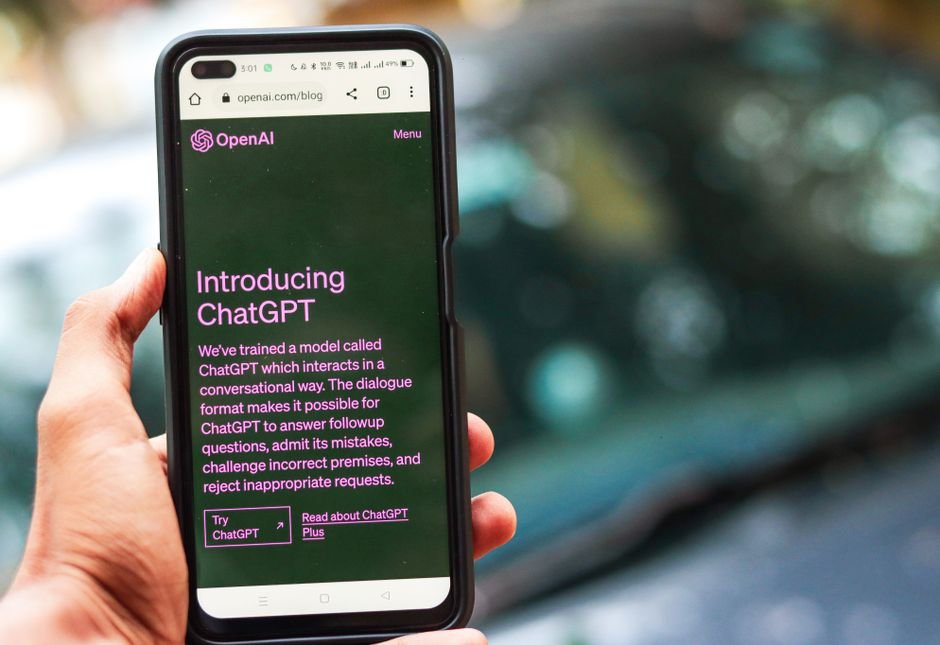
When OpenAI introduced ChatGPT to the public in late 2022, it was initially treated as an amusing novelty. People used it to generate rhyming poems about microwave burritos, write fictional dialogues between historical figures, or solve trivia riddles. Many critics dismissed large language models as “stochastic parrots” that had no place in serious professional work.
Fast-forward to 2026, and conversational AI chatbots have quietly become the most transformative productivity infrastructure on the planet. Professionals who have mastered prompt engineering and workflow automation report saving anywhere from five to fifteen hours every single week. From parsing impenetrable legal contracts and automating spreadsheet macros to drafting diplomatic client communications, AI chatbots have evolved from quirky novelties into indispensable digital co-workers. Here is how they are reshaping everyday productivity.
Our Take / Quick Verdict: The biggest productivity mistake people make with AI chatbots is treating them like Google Search. AI chatbots aren’t search engines; they are reasoning engines. When you use them to synthesize messy data, roleplay difficult negotiations, or debug code logic, they unlock superhuman productivity.
1. From Blank Page Paralysis to Instant First Drafts
The single greatest drain on workplace productivity is the psychological friction of the blank page. Staring at an empty document trying to draft a quarterly business proposal, an awkward termination letter, or an apartment rental agreement often takes hours of procrastination.
With modern AI chatbots (ChatGPT-4o, Claude 3.5 Sonnet, DeepSeek V3), you provide raw, disorganized bullet points: “Client wants to reschedule, deadline is Friday, we need 50% advance payment, be polite but firm.” In five seconds, the AI generates a polished, professionally phrased email. Editing a flawed 80% first draft takes two minutes; writing from scratch takes forty.
Top Productivity Workflows Transformed by AI
Here is a breakdown of how different business disciplines use conversational AI to compress hours into minutes:
| Professional Workflow | Traditional Manual Process | Modern AI Chatbot Workflow | Time Saved |
|---|---|---|---|
| Spreadsheet Formula Creation | Searching Excel forums for nested VLOOKUP / INDEX-MATCH | Prompt: “Write an Excel formula to match column B if date in A is in Q3” | 90% faster |
| Meeting Transcript Summaries | Manually reviewing 1-hour Zoom call notes | Drop transcript into Claude; prompt for Action Items & Deadlines | Save 45 mins per call |
| Code Debugging & Scripting | Scouring Stack Overflow for obscure Python / SQL syntax errors | Paste error traceback; AI identifies broken logic and provides corrected snippet | 70% faster |
| Contract & Document Review | Reading 40 pages of vendor legalese | Prompt: “Summarize termination clauses and indemnity liability caps in plain English” | Save 2+ hours |
| Roleplay Preparation | Walking into salary talks or client pitches unprepared | Prompt AI to act as a skeptical CFO questioning project ROI | Priceless confidence boost |
2. Instant Data Synthesis and Document Digestion
The modern workplace drowns in unstructured information: 50-page financial reports, lengthy industry whitepapers, and messy customer survey CSV files. Reading through all of this material is physically impossible.
Modern chatbots with massive 200,000+ token context windows can ingest an entire company handbook or annual report in one upload. You can cross-examine the document like an expert witness: “What were our top three supply chain bottlenecks mentioned in Section 4?” “Extract all customer complaints mentioning battery life into a clean markdown table.” Data that previously required two days of intern research is compiled in thirty seconds.
3. The Cognitive Shift: Delegator vs. Doer
The most profound change brought by conversational AI is psychological. In the past, junior employees spent 80% of their day on mechanical execution (formatting tables, drafting standard replies, compiling meeting minutes) and 20% on strategic thinking.
AI flips that ratio completely. You become an editor, director, and quality assurance manager. Your job is no longer typing words; your job is asking precise questions, verifying factual truth, and steering strategic direction. Those who embrace this shift see their career output multiply exponentially.
Running a growing business and wondering which specialized tools can handle invoicing, customer support, and scheduling? Explore our practical guide on AI Tools That Can Save Small Business Owners Hours Every Week.
Frequently Asked Questions
1. Which AI chatbot is best for daily productivity: ChatGPT or Claude?
Both are exceptional. ChatGPT excels in web browsing, multimodal voice conversations, and custom GPT app integrations. Claude (Anthropic) produces significantly more natural, human-sounding prose, handles massive document uploads with less repetition, and writes cleaner code.
2. Can AI chatbots replace human software engineers?
No. While AI can write boilerplate functions and solve standard syntax bugs in seconds, it cannot understand complex business domains, design fault-tolerant systems, or manage enterprise cloud architecture. It makes developers 50% faster, but does not replace human engineering judgement.
3. How do I get better answers from an AI chatbot?
Provide context, specify format, and assign a role. Instead of asking “Write an email about a project delay,” prompt: “Act as a senior IT project manager. Write a concise, 3-paragraph email to our client explaining a 4-day database migration delay. Emphasize data security and include our revised delivery timeline.”
4. Are conversations with AI chatbots confidential?
By default on free tiers, companies may use your chat history to train future models. You should disable “Chat History & Training” in settings before sharing sensitive proprietary company data. See our dedicated security guide for details.
The Verdict
AI will not replace humans; but humans who master AI will inevitably replace those who refuse to adapt. Embracing conversational chatbots isn’t about cutting corners or being lazy—it is about shedding repetitive cognitive busywork so you can focus your human energy on creativity, strategic problem-solving, and meaningful communication. If you haven’t integrated an AI chatbot into your daily desktop workflow, you are working with one hand tied behind your back.
1 thought on “How AI Chatbots Are Changing Everyday Productivity”