
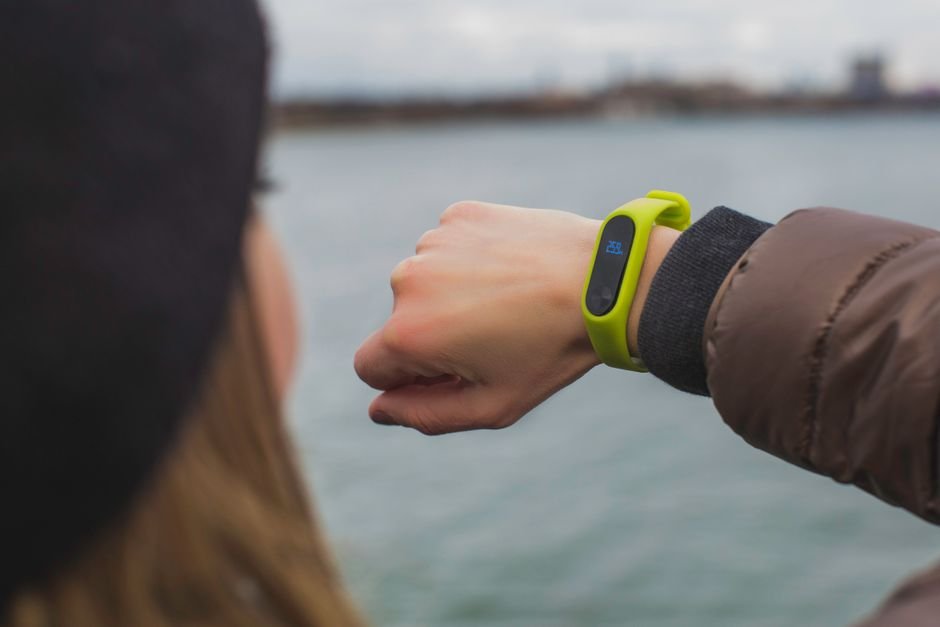
Step onto any city bus, enter a gym, or walk down a college campus street, and you will notice almost every wrist is sporting a digital display. Wearable technology has exploded over the past five years, moving from an expensive luxury for tech enthusiasts into an everyday health and communication accessory. But when it comes time to buy one for yourself, you are immediately confronted with a fundamental choice: should you buy a full-featured Smartwatch, or a slim, lightweight Fitness Band?
Compounding the confusion, marketing teams love to blur the lines. Many brands slap a square 1.8-inch display onto a basic fitness tracker, add a speaker for Bluetooth calling, and market it as a “smartwatch” for ₹1,499. Meanwhile, dedicated fitness bands often pack more accurate heart rate monitors and sleep tracking algorithms than cheap watches costing double their price. Here is how to cut through the marketing noise and choose the wearable that actually fits your daily lifestyle.
Our Take / Quick Verdict: Buy a Fitness Band (like the Xiaomi Smart Band series) if your core goals are sleep tracking, gym workouts, step counting, and effortless 10 to 14-day battery life. Buy a true Smartwatch (like an Apple Watch, Galaxy Watch, or Garmin) if you want to respond to WhatsApp messages, take phone calls, install third-party apps, or track runs with precision onboard GPS.
The Three Categories of Wrist Wearables
To make an informed purchase, you must understand that the market is actually divided into three tiers, not two:
- Dedicated Fitness Bands (₹2,000 – ₹4,500): Slim, pill-shaped trackers with narrow AMOLED displays. They focus strictly on biometric data: 24/7 heart rate monitoring, SpO2 blood oxygen, sleep stage analysis, and step counts. They run proprietary lightweight firmware, lasting 10 to 14 days on a single charge.
- Budget “RTOS Smartwatches” (₹1,500 – ₹4,000): Popularized by Indian lifestyle brands (Noise, Fire-Boltt, boAt). These look like Apple Watches with large displays and Bluetooth calling microphones, but internally run the same basic firmware as fitness bands. You cannot reply to notifications, install apps, or sync with Strava.
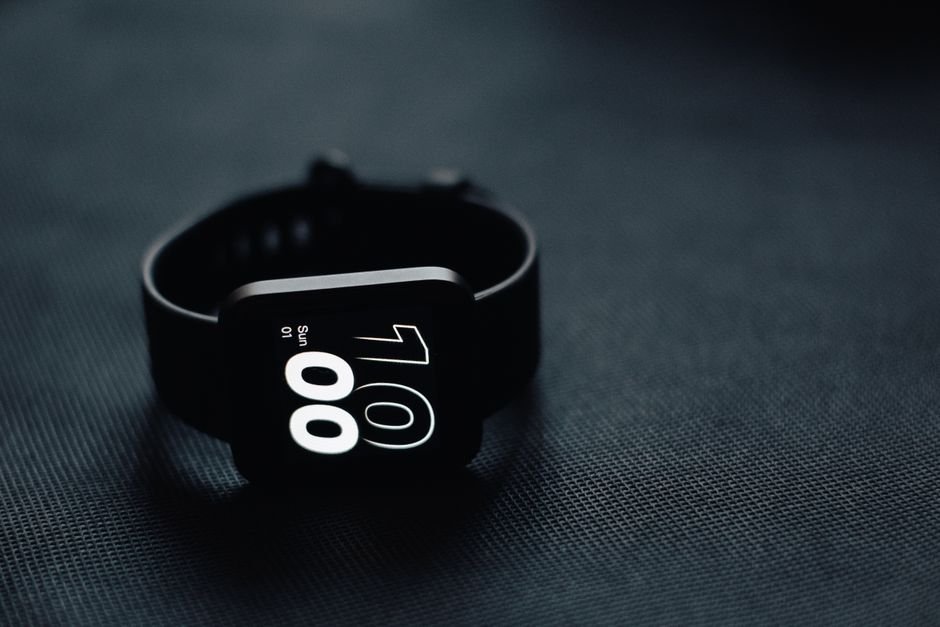
- True Smartwatches (₹15,000 – ₹50,000+): Devices powered by real mobile operating systems (Apple watchOS, Google WearOS, Garmin OS). They feature powerful processors, onboard Wi-Fi/LTE, NFC payment support, app stores (Spotify, Google Maps), and clinical-grade health sensors (ECG, irregular rhythm detection).

Smartwatch vs Fitness Band: Head-to-Head Comparison
Here is an objective breakdown of how dedicated smartwatches and fitness bands compare across the metrics that matter in daily use:
| Feature / Dimension | Slim Fitness Band (e.g. Xiaomi Band 8/9) | True Smartwatch (Apple Watch / Galaxy Watch) |
|---|---|---|
| Form Factor & Weight | Ultra-lightweight (15g – 25g), slim pill design | Substantial watch case (40g – 65g), traditional straps |
| Battery Life | 10 to 14 days on a single charge | 1 to 2 days (Requires daily or nightly charging) |
| Sleep Tracking Comfort | Unmatched (You forget you are wearing it) | Bulky; can snag on bedsheets and blankets |
| Notification Interaction | Read-only alerts; cannot reply or type | Full replies (Voice-to-text, on-screen keyboard, emoji) |
| App Ecosystem | None (Fixed built-in widgets only) | Rich app store (Google Maps, Spotify, Strava, Uber) |
| Calling Capability | Vibration alert only (No microphone/speaker) | Direct Bluetooth calls or standalone 4G/LTE eSIM |
| Price Range (India) | ₹2,499 – ₹4,499 | ₹18,000 – ₹45,000+ |
The Sleep Tracking Irony: Bands Win Every Time
One of the biggest ironies of wearable tech involves sleep tracking. A ₹40,000 smartwatch has sophisticated optical sensors capable of tracking REM, deep sleep, and respiration rate with remarkable accuracy. However, because its high-resolution screen and background operating system drain the battery rapidly, users are forced to put the watch on its charging puck on their nightstand every evening.
A slim fitness band, by contrast, sips power so gently that you only charge it once every two weeks while you take a Sunday shower. Furthermore, because it weighs less than 25 grams, it never digs into your wrist or feels uncomfortable when resting your head on your arm in bed. If your primary health goal is understanding your sleep hygiene and circadian rhythms, a fitness band is vastly superior.
When a True Smartwatch is Indispensable
Despite the battery tradeoff, there are scenarios where a true smartwatch is genuinely life-changing:
- Outdoor Runners and Cyclists: An LTE-enabled smartwatch lets you leave your heavy smartphone at home. You can stream Spotify to your wireless earbuds, track your route with high-precision dual-frequency GPS, and call home in case of an emergency straight from your wrist.
- Busy Professionals in Meetings: Discreetly glancing at your wrist to see who sent an urgent Slack message or firing off a quick “Running 5 minutes late” canned reply without pulling out a distracting phone in the middle of a client meeting is extraordinarily convenient.
- Clinical Heart Health: Devices like the Apple Watch and Samsung Galaxy Watch feature medically cleared ECG sensors and fall detection systems that have literally saved lives by detecting early signs of atrial fibrillation.
Tired of devices dying on you while traveling or commuting? Learn how to pick the right portable charging pack in our technical breakdown on Power Banks Explained: mAh, Fast Charging & What Really Matters.
Frequently Asked Questions
1. Are ₹2,000 “smartwatches” from local brands accurate for health?
No. Most budget watches under ₹2,500 use cheap generic photodiode sensors that can be fooled into measuring heart rates on inanimate objects like apples or roll towels. While their step counting is acceptable, do not make medical or fitness training decisions based on their heart rate or SpO2 numbers.
2. Can I use an Apple Watch with an Android smartphone?
No. The Apple Watch strictly requires an iPhone for setup, syncing, and daily operation. If you use an Android phone, look at the Samsung Galaxy Watch series, OnePlus Watch 2, or Garmin wearables.
3. How accurate is calorie burn tracking on fitness bands?
Calorie calculations on all consumer wearables are algorithmic estimates based on heart rate, weight, age, and step count. Studies show wearables can miscalculate total calorie expenditure by 15% to 30%. Use them as a baseline trend to track relative progress rather than absolute truth.
4. Do fitness bands require a subscription fee?
Leading bands from Xiaomi, Huawei, and Honor do not charge subscription fees for basic health tracking. However, brands like Fitbit (Google) and Whoop lock advanced health recovery metrics and sleep coaching behind monthly paid tiers.
The Verdict
Be honest about how you live your day. If you hate the idea of adding yet another gadget to your daily charging chore list and simply want to count steps, track workouts, and monitor sleep comfortably, a fitness band is the smartest, most cost-effective purchase you can make. But if you want a miniature computer on your wrist that handles calls, navigates turn-by-turn on maps, and lets you untether from your phone on outdoor jogs, invest in a true smartwatch.
1 thought on “Smartwatches vs Fitness Bands — What Should You Actually Buy?”