
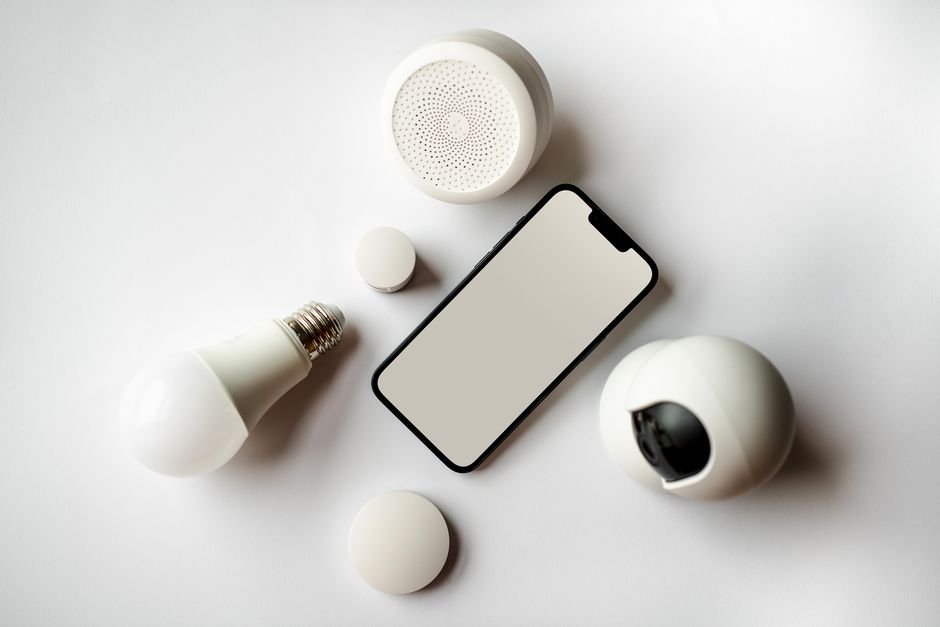
For the past decade, tech commercials have promised us futuristic smart homes that resemble the Jetsons or Tony Stark’s mansion: refrigerators that order milk automatically, smart mirrors that analyze your skin complexion, and robotic curtains that open with a wave of your hand. But when ordinary homeowners actually buy into smart gadgets, they often find themselves trapped in a nightmare of disconnected smartphone apps, Wi-Fi connectivity drops, and smart lightbulbs that refuse to turn on when guests flip a physical wall switch.
Does smart home technology actually make your life easier, or is it merely an expensive collection of gimmicks? The truth lies in intentional curation. If you ignore the overpriced marketing novelties and focus on reliable automation hardware—devices that solve real daily inconveniences like climbing out of bed to check locked doors or remembering to switch off geysers—smart tech is profoundly useful. Here are the home smart devices that genuinely deliver everyday value in 2026.
Our Take / Quick Verdict: The most practical smart gadget for any household is a 16A Smart Plug (for water heaters and heavy ACs) and a Smart Universal IR Blaster (₹700) that puts all your existing TV and AC remotes onto your smartphone. Start with these two inexpensive tools before investing in smart locks or ecosystem hubs.
1. 16A Smart Plugs: Automate Your Water Geyser and AC
How many times have you climbed into bed on a cold winter night, only to panic because you forgot whether you turned off the bathroom water geyser? Or woke up shivering at 3 AM because your bedroom air conditioner ran at 20°C all night?
A heavy-duty 16-Ampere smart plug (from Wipro, TP-Link Tapo, or Havells for ₹799 to ₹1,199) plugs directly into your standard heavy wall socket. It gives you scheduled automations: you can program your water heater to turn on automatically at 6:30 AM and shut off at 7:15 AM every weekday. You can track exact electricity power consumption in kilowatt-hours, preventing bloated utility bills while ensuring you never leave heavy heating elements running unattended.
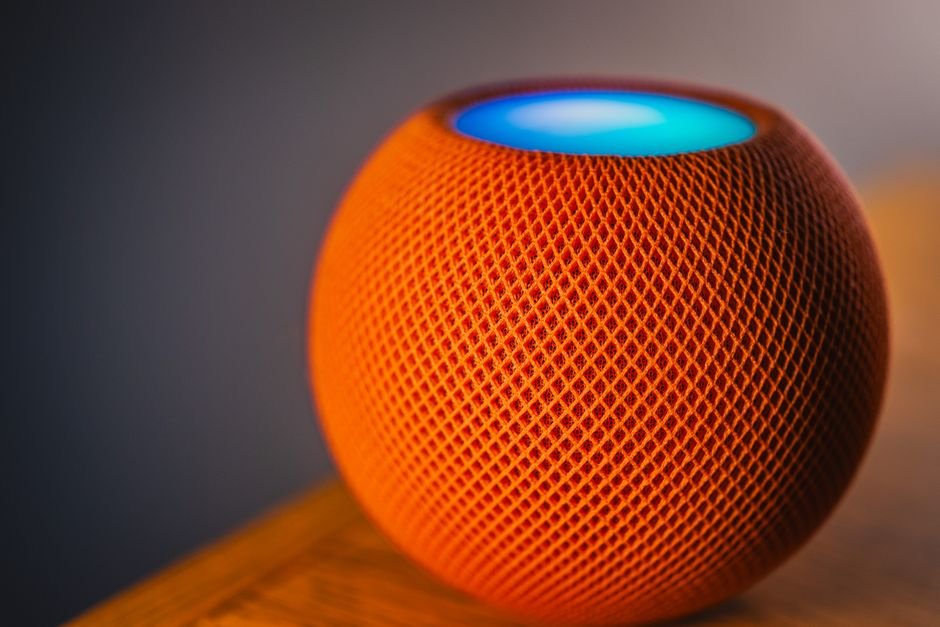
Practical Smart Home Devices: Value vs Gimmick Breakdown
Before spending thousands, consult our field-tested breakdown of devices that solve genuine problems versus gimmicks you can skip:
| Device Category | Real Problem It Solves | Practicality Rating | Estimated Cost (India) |
|---|---|---|---|
| 16A Heavy-Duty Smart Plug | Automates geysers, monitors heavy appliance power | ⭐⭐⭐⭐⭐ (Essential) | ₹799 – ₹1,199 |
| Smart Universal IR Blaster | Controls all legacy ACs, TVs, set-top boxes via phone | ⭐⭐⭐⭐⭐ (Essential) | ₹699 – ₹999 |
| Robot Vacuum & Mop | Daily dust sweeping & floor mopping under sofas | ⭐⭐⭐⭐ (High Value) | ₹18,000 – ₹28,000 |
| Smart Video Doorbell | See and speak to delivery couriers from anywhere | ⭐⭐⭐⭐ (High Value) | ₹2,999 – ₹6,999 |
| Smart Color RGB Light Bulbs | Fun mood lighting, but guests turn them off at switches | ⭐⭐⭐ (Moderate) | ₹499 – ₹899 |
| Smart Refrigerator Screen | Displays recipes; largely redundant with an iPad | ⭐ (Expensive Gimmick) | ₹1,50,000+ |
2. Smart Universal IR Blaster: Upgrade Legacy Appliances
You do not need to replace your perfectly functioning 5-year-old split AC or television with an expensive smart model. A hockey-puck-sized Smart IR Blaster (like the Oakter or Wipro IR Controller for under ₹800) sits on your side table and replicates the infrared signals of all your existing handheld remotes.
It connects to your home 2.4GHz Wi-Fi network. That means you can open your phone while driving home from the office on a sweltering 40°C afternoon and turn on your bedroom AC fifteen minutes ahead of time so the room is ice-cold the moment you walk through the front door.
3. Robot Vacuum Cleaners: Reclaim Two Hours Every Week
If you live in a dusty urban environment, keeping floors clean is a never-ending chore. Modern robot vacuums with LiDAR laser navigation (from brands like Dreame, Xiaomi, and Eureka Forbes for ₹18,000 to ₹25,000) systematically map every room in your home.
You can schedule the robot to sweep and wet-mop your entire floorplan while you are out at work at 11 AM. By the time you return home, every room is spotless, dust under beds and low sofas has been vacuumed, and the robot has quietly parked itself back on its charging dock.
The Game-Changer: Matter and Thread Protocols
The single biggest headache in early smart homes was ecosystem lock-in: an Apple HomeKit lightbulb wouldn’t work with Amazon Alexa, and Google Home gadgets couldn’t speak to Samsung SmartThings.
In 2026, look for the Matter certification logo on product packaging. Matter is a universal open-standard protocol backed by Apple, Google, Amazon, and Samsung. Any Matter-certified smart plug or sensor works seamlessly across any smart speaker or phone app without requiring vendor-specific cloud bridges.
Looking to stay energized and productive throughout your workday at home? Read our expert roundup on Must-Have Tech Accessories for Your Work-From-Home Setup for desk organization tips.
Frequently Asked Questions
1. What happens to smart devices when the internet goes down?
With modern Matter-compatible devices, local routines (like motion sensors triggering lights) continue to operate over your local Wi-Fi router network even if your broadband internet fiber connection is temporarily severed. However, remote control away from home will be unavailable.
2. Can smart plugs cause electrical fires?
Reputable, certified smart plugs from established manufacturers (like TP-Link, Wipro, and Havells) feature fire-retardant polycarbonate shells, surge protection, and automatic thermal cutoffs. Avoid unbranded ₹200 street plugs that lack BIS safety certification.
3. Which voice assistant ecosystem is best: Google or Alexa?
Amazon Alexa excels in smart home compatibility, third-party plug skills, and voice recognition responsiveness. Google Home / Assistant is superior for answering factual web knowledge queries, parsing complex calendar schedules, and understanding natural colloquial phrasing.
4. Are smart video doorbells easy to install in rental apartments?
Yes. Many smart doorbells (from Tapo and Qubo) offer completely wire-free, rechargeable battery models that mount to your doorframe using heavy-duty 3M adhesive plates or security screws, leaving zero permanent damage when you move out.
Final Verdict
A smart home shouldn’t feel like a science fair experiment that requires a computer science degree to operate. Start simple: pick up a ₹799 smart plug for your bathroom water geyser and a ₹799 smart IR blaster for your bedroom AC. Experiencing the quiet luxury of walking into a pre-cooled room and knowing your heavy appliances are safely scheduled will prove that practical smart technology is worth every single rupee.