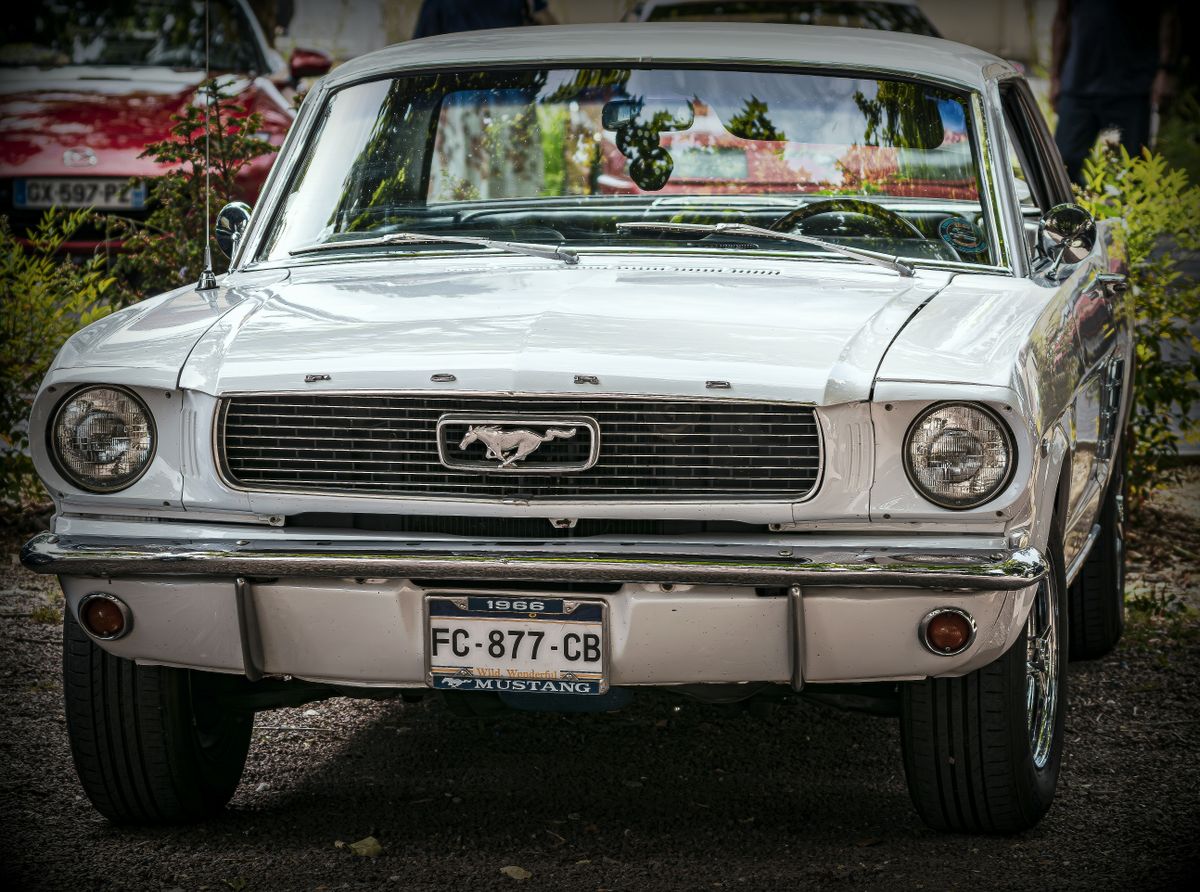
Turn the key in the ignition, and you didn’t just start an engine—you awakened a mechanical symphony of American horsepower. The deep, guttural rumble of a big-block V8 resonated through dual exhaust pipes, gently rocking the chassis on its coil springs while the scent of unburned gasoline and warm motor oil drifted through open vent windows.
For baby boomers coming of age in the 1950s, 1960s, and 1970s, an automobile was never just an appliance to get from point A to point B. It was freedom on four wheels, a sculpted monument of Detroit steel, and an extension of your personality parked under the Friday night lights of the local drive-in.
Before aerodynamic plastic bumpers and computer-controlled fuel injection homogenized highway traffic, American cars had unmistakable personality and soul. Let us roll down the windows, drop the clutch, and revisit the legendary machines that defined a golden generation.
The 1957 Chevrolet Bel Air: The High-Water Mark of the Tailfin Era
Few vehicles capture the optimism of post-war America quite like the **1957 Chevy Bel Air**. Styled by legendary GM design chief Harley Earl, the ’57 Chevy was a masterpiece of chrome, soaring tailfins, and space-age jet-intake hood ornaments.
Finished in vibrant two-tone lacquer combinations like Matador Red and India Ivory, or Tropical Turquoise and White, the Bel Air looked like it was cruising at sixty miles per hour even when standing still in a driveway. Under the hood sat the revolutionary “Super Turbo-Fire” 283 cubic-inch V8, which famously achieved one horsepower per cubic inch with factory mechanical fuel injection.
The ’57 Chevy became the quintessential symbol of 1950s rock-and-roll culture, forever immortalized on diner posters and teenage bedroom walls.
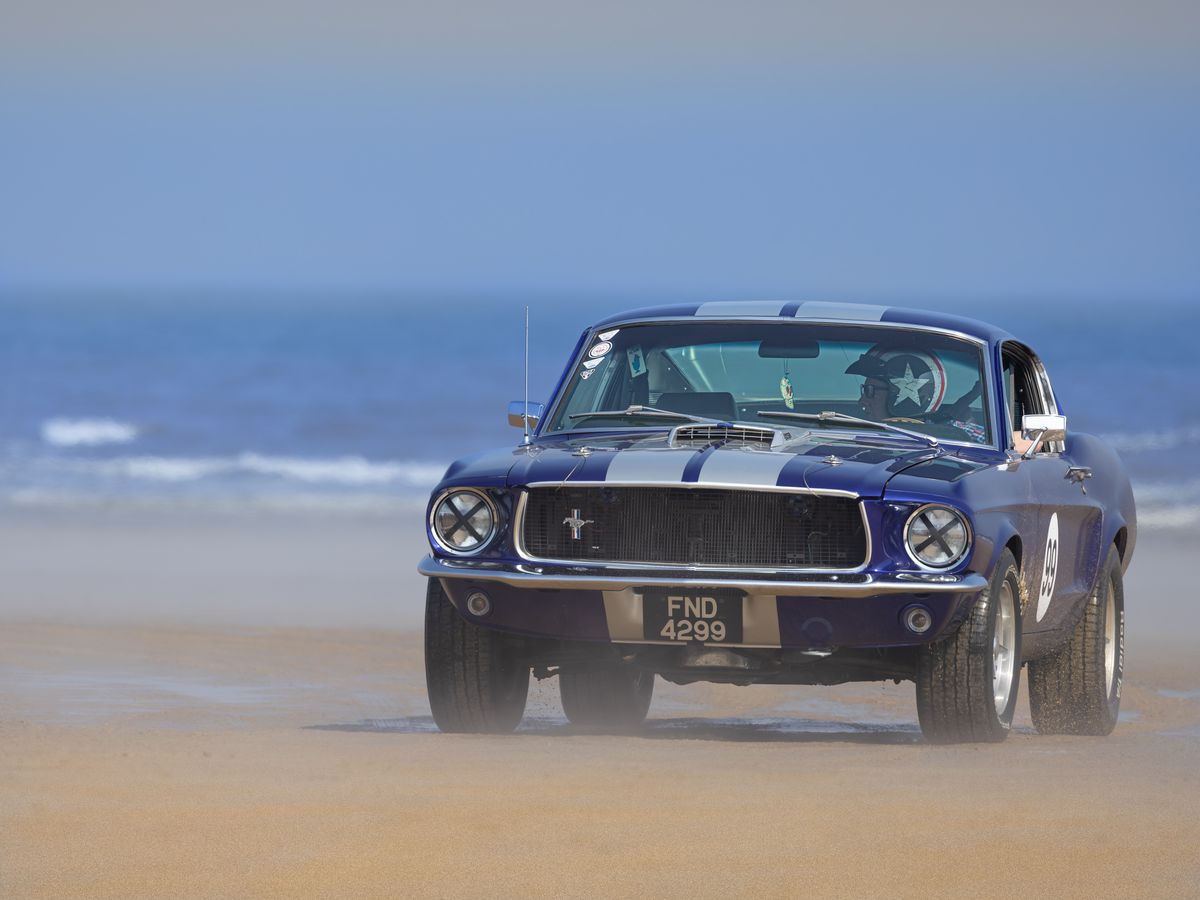
The 1964½ Ford Mustang: The Pony Car Phenomenon
On April 17, 1964, Ford Motor Company unveiled the **Ford Mustang** at the New York World’s Fair under the visionary guidance of Lee Iacocca. What followed was absolute retail pandemonium.
Featuring a long, aggressive hood, a short rear deck, and a base price of just **$2,368**, the Mustang made sporty performance accessible to everyday young Americans. Dealerships across the country were overwhelmed with crowds; one dealer in Chicago had customers sleeping in their cars on the lot while waiting for their paperwork to clear.
Ford projected sales of 100,000 units in the first year. Instead, they sold over **400,000 Mustangs** in twelve months, giving birth to the entire “Pony Car” segment and captivating an entire generation of drivers.
The Muscle Car Wars: Pontiac GTO, Chevelle SS, and Dodge Charger
By the late 1960s, Detroit automakers engaged in an all-out horsepower war on the street and drag strips. It all ignited in 1964 when Pontiac engineer John DeLorean snuck a massive 389 cubic-inch V8 into the mid-size Tempest body, creating the legendary **Pontiac GTO** (lovingly dubbed “The Goat”).
Soon, Chevrolet answered with the **Chevelle SS 396 and SS 454**, while Dodge unleashed the menacing **1968 Charger** with its concealed headlights, flying-buttress rear window, and thunderous 426 Street Hemi engine. Power shifted through heavy four-speed manual transmissions with white-ball Hurst shifters, barking tires in second and third gear.
Every boulevard across America had its designated drag strip strip where teenagers gathered on Saturday nights to test carburetors, talk engine specs, and settle friendly rivalries.
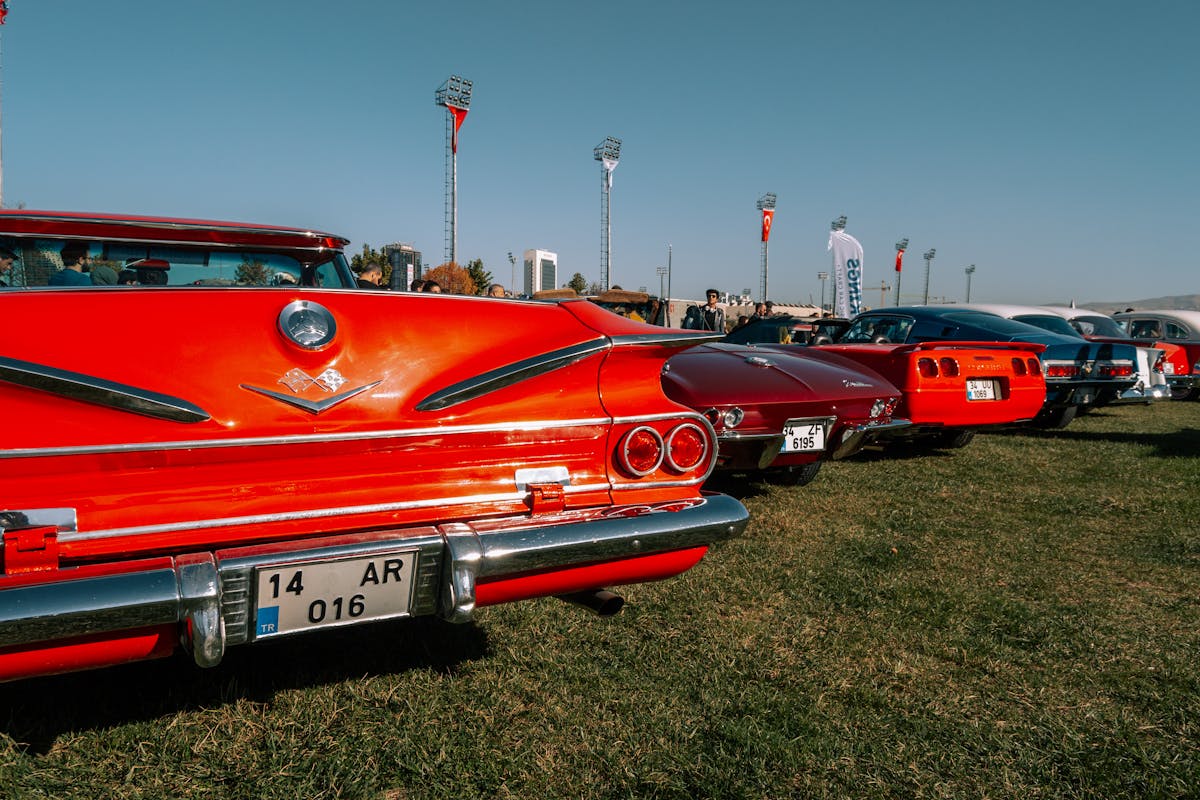
The 1963 Corvette Sting Ray: American Sculpture on Wheels
In 1963, Chevrolet introduced the second-generation **Corvette Sting Ray**, featuring the legendary “Split-Window” coupe body designed by Larry Shinoda. Inspired by marine life and aeronautical jets, its fiberglass body possessed lines unlike anything previously built on American soil.
With pop-up headlights, independent rear suspension, and optional high-compression 327 V8 power, the Sting Ray proved that American sports cars could compete with the finest European exotics on international race circuits while remaining everyday usable at home.
The Ritual of the Saturday Driveway Tune-Up
What truly bonded owners to their classic cars was how accessible they were to work on. On Saturday mornings, driveways across suburban neighborhoods were filled with fathers and sons leaning over expansive engine bays.
You didn’t need a computer scanner to fix a rough idle. Armed with a timing light, a set of Craftsman combination wrenches, a gap gauge for the spark plugs, and a can of carburetor cleaner, any teenager could tune up their own car before the Saturday night cruise. And when you shut the heavy, all-steel door, it closed with a solid, bank-vault *THUNK* that modern plastic cars can never replicate.
Cruising the Main Strip and the Soundtrack of 8-Track Tapes
Owning a classic car in that era meant participating in the weekly ritual of cruising the main downtown drag. As the sun set, hundreds of glistening coupes and convertibles lapped the boulevard at ten miles per hour, engines gently burbling, while drivers nodded at friends from rival high schools.
Mounted underneath the dashboard was an aftermarket **8-track tape player**, glowing with a faint green light. Shoving a chunky black plastic cartridge of Creedence Clearwater Revival, The Eagles, or Fleetwood Mac into the slot accompanied every cruise, punctuated by that memorable *CLACK-CHUNK* as the tape head automatically shifted between tracks right in the middle of a guitar solo.
The Enduring Legend of Detroit Muscle
While modern sports cars offer computerized traction control and hybrid fuel economy, they will never match the raw charisma, rumble, and emotional pull of classic Detroit iron. These rolling works of art represent an era when American design was bold, engines were unapologetic, and the open road was an endless horizon of adventure.
What was the first car you ever owned or took on a date, and what do you miss most about driving it?
🚗 Related Highway Story: Park under the stars in drive-in movie theaters that once lined US highways and relive full-service travel in gas station prices and road trips: then vs now.