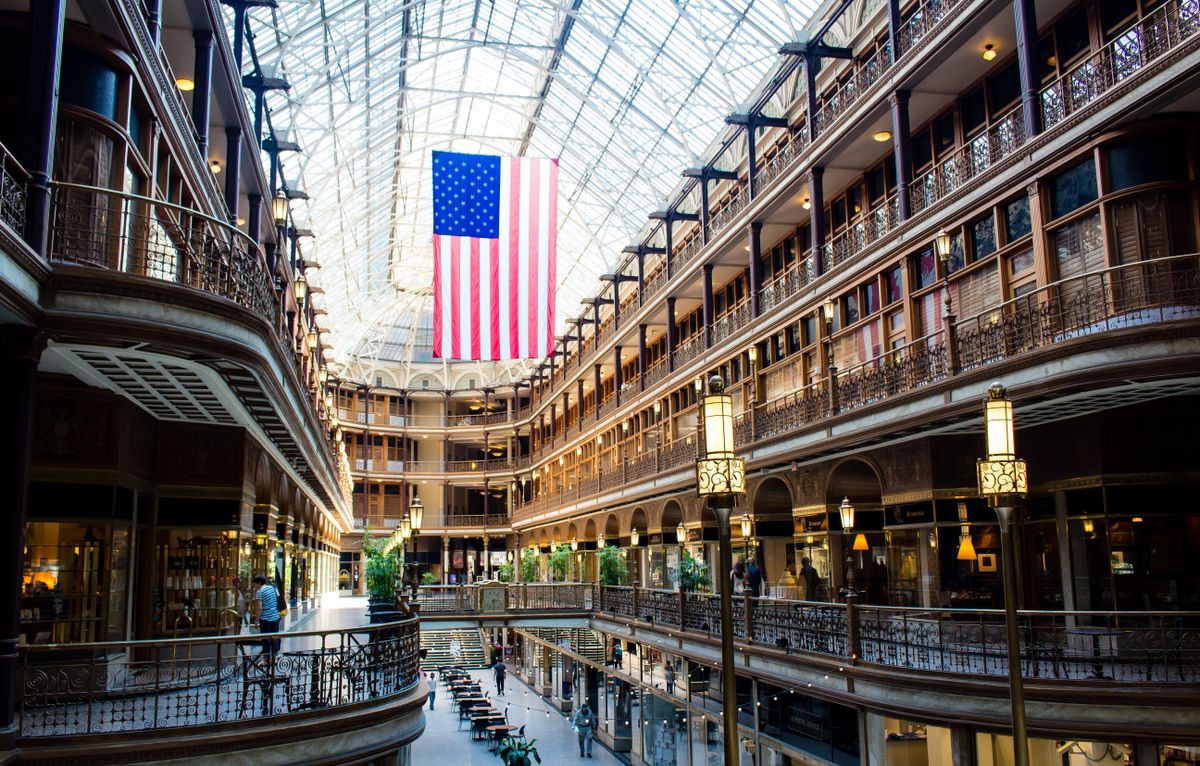
Step through those heavy glass push-doors on a Saturday afternoon in 1982, and you were immediately enveloped by a symphony of sights and sounds that defined a generation. The gentle roar of a multi-tiered indoor fountain, the sweet, intoxicating cinnamon aroma of fresh baked goods, and the background hum of hundreds of chatter-filled conversations echoed beneath soaring skylights.
For more than three decades, the enclosed suburban shopping mall was the undisputed cultural Town Square of America. It wasn’t just a commercial center; it was where teenagers met by the photo booths, where seniors walked brisk laps every morning before stores opened, and where families spent entire December weekends hunting for Christmas presents.
Today, hundreds of these once-mighty retail palaces stand silent, shuttered, or demolished. How did America fall in love with the indoor mall, and what happened to the vibrant world we once knew?
The Vision of Victor Gruen and the Suburban Boom
In the mid-1950s, an Austrian-born architect named Victor Gruen envisioned a new kind of community gathering place for the rapidly growing American suburbs. When Southdale Center opened near Minneapolis in 1956 as the country’s first fully enclosed, climate-controlled shopping mall, it revolutionized everyday life.
No matter if it was blazing ninety degrees outside in August or blizzard conditions in January, the mall remained a perfect seventy-two degrees year-round. Inside, lush tropical ficus trees grew in planters, terrazzo tile floors gleamed under soft lighting, and wide corridors offered a safe, clean, car-free promenade for all ages.
Suburban planners quickly realized that a town without an enclosed shopping mall felt incomplete. By the 1980s, over a thousand enclosed malls spanned the country from coast to coast.
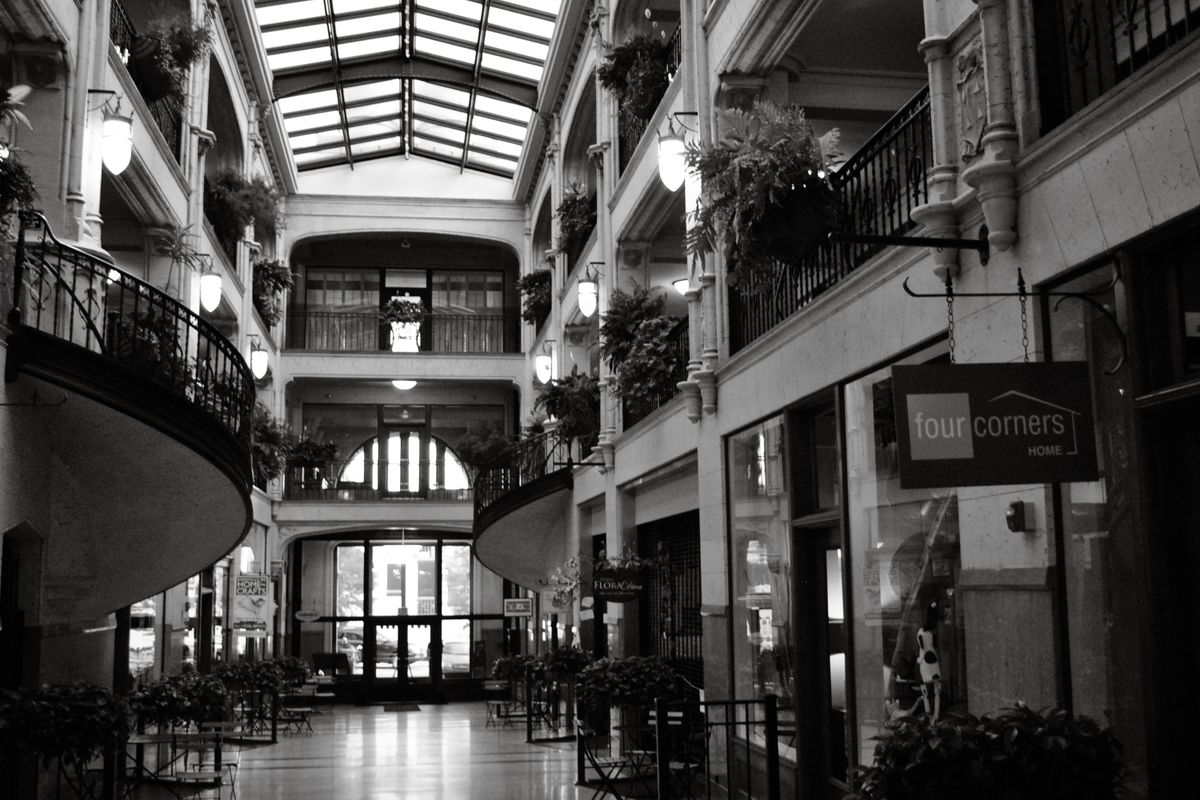
Anchor Giants: Sears, Montgomery Ward, and JCPenney
At the heart of every great American mall were the titanic anchor department stores holding down each wing. Families planned their entire expeditions around whether they were parking on the Sears side or near Montgomery Ward.
These stores sold everything a household could possibly need across multiple expansive floors. Dad wandered through the Craftsman tool department admiring lawnmowers and socket sets, while Mom browsed through curtains, linoleum swatches, and Sunday dresses. In the catalog department, a wall of pneumatic tubes and conveyor belts magically delivered catalog orders placed weeks earlier.
And when autumn arrived, children eagerly sprinted into the toy aisles to circle items in the legendary Sears Wish Book, imagining what might appear under the tree on Christmas morning.
The Specialty Shops of Our Youth: Waldenbooks, Sam Goody, and Spencer’s
Between the giant anchor stores lived a magical constellation of specialty retailers that captured every era’s pop culture.
Remember browsing the narrow aisles of **Waldenbooks** or **B. Dalton**, carefully flipping through the latest paperback bestsellers or comic books? A few doors down, the neon glow of **Musicland**, **Sam Goody**, or **Camelot Music** drew teenagers like moths to a flame. You could flip through rows of vinyl records, cassette tapes, and later compact discs, admiring album cover artwork while listening to whatever track the clerk was blasting over the house speakers.
Then there was **Spencer Gifts**, with its mysterious back room filled with blacklight posters, lava lamps, rolling fog machines, and gag gifts that felt delightfully rebellious to explore.
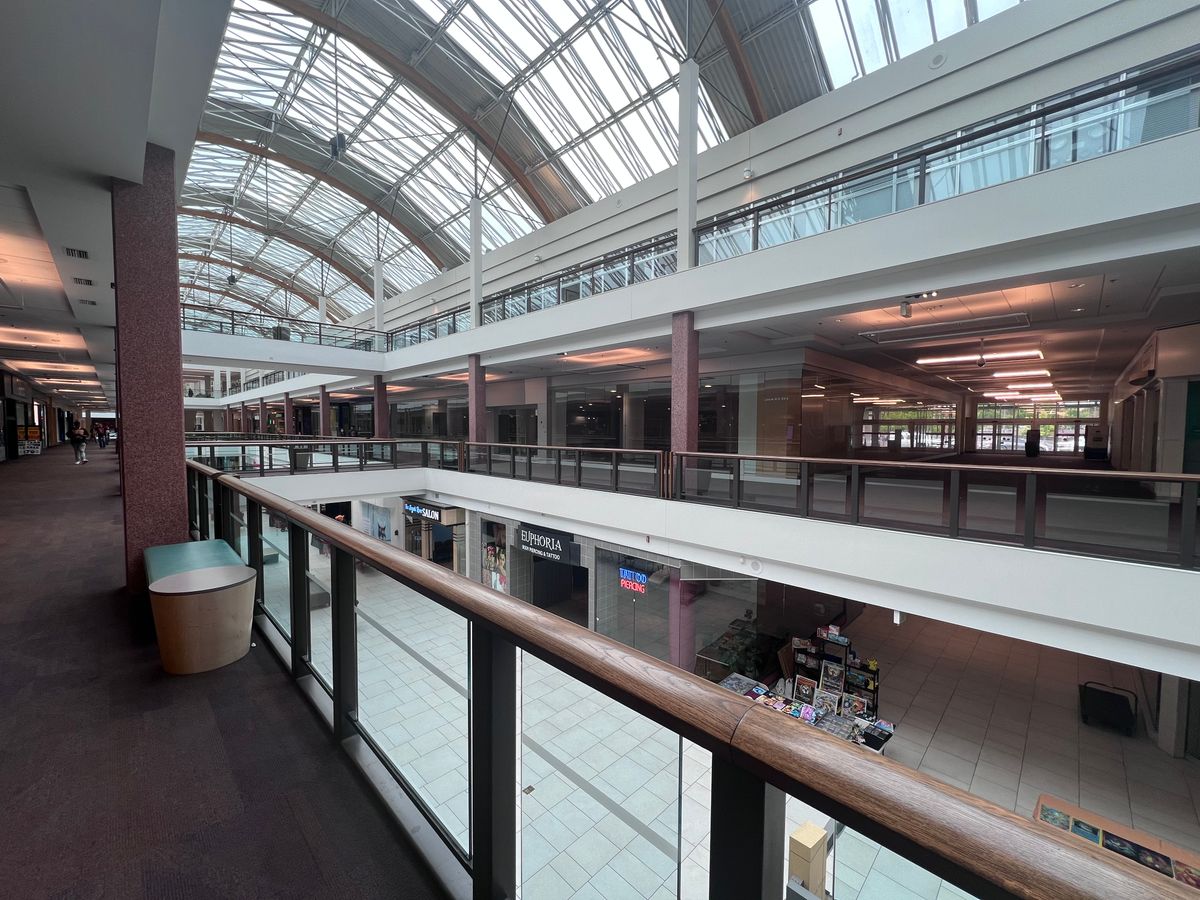
The Food Court Revolution and the Allure of Aladdin’s Castle
No trip to the mall was complete without navigating the dizzying choices of the food court. Before the 1970s, shoppers stopped at in-store department lunch counters or Woolworth’s soda fountains. But the modern food court centralized the dining experience into a bustling culinary carnival.
Who could resist the icy citrus froth of an original **Orange Julius**, a giant warm soft pretzel drenched in melted cheese, or a steaming slice of Sbarro pizza folded in half on a paper plate? Toothpick samples of Bourbon Chicken on small trays tempted hungry passersby at every corner.
Right around the corner from the food court, the pulsating sounds of electronic beeps and basslines signaled the entrance to **Aladdin’s Castle** or **Time-Out Arcade**. Clutching a handful of brass tokens from a dollar bill changer, kids spent hours mastering *Pac-Man*, *Galaga*, *Centipede*, and *Street Fighter* amidst flashing marquee lights and high-score glory.
The Center Court: Fountains, Pennies, and Santa Claus
At the physical center of the mall was the grand courtyard. It was almost always dominated by an elaborate water fountain whose cascading pools were carpeted in thousands of copper pennies tossed by hopeful wish-makers.
This was the stage for seasonal milestones. In March, the Easter Bunny set up camp among giant plastic daisies; in December, towering artificial evergreen trees reached toward the ceiling as long lines of excited children waited to whisper their wishes to Santa Claus.
Carpeted conversation pits surrounded the fountain, offering a resting perch where grandparents chatted, watched toddlers toss coins into the water, and enjoyed the unhurried rhythm of an afternoon out.
Why the Lights Went Out Across Suburban America
The transformation of the American mall began gradually in the late 1990s and accelerated rapidly with the rise of big-box discount superstores, outdoor lifestyle centers, and online home delivery. When traditional department store anchors struggled under heavy debt and changing shopping habits, their closures created vast, empty vacancies that malls could rarely fill.
Today, while some premier malls continue to thrive by reinventing themselves, hundreds of others have been reimagined into community colleges, medical centers, business parks, or demolished entirely.
Yet for anyone who spent their teenage weekends roaming those wide tiled concourses with friends or holding their mother’s hand on a holiday shopping spree, the memories of the American shopping mall remain permanently preserved in time.
What was the name of the shopping mall you grew up visiting, and which store or food court snack do you miss the most?
🛍️ Related Chronicle: Step back into the retail past with the grocery store chains that vanished from America and remember childhood afternoons with iconic toys that defined American childhoods before smartphones.