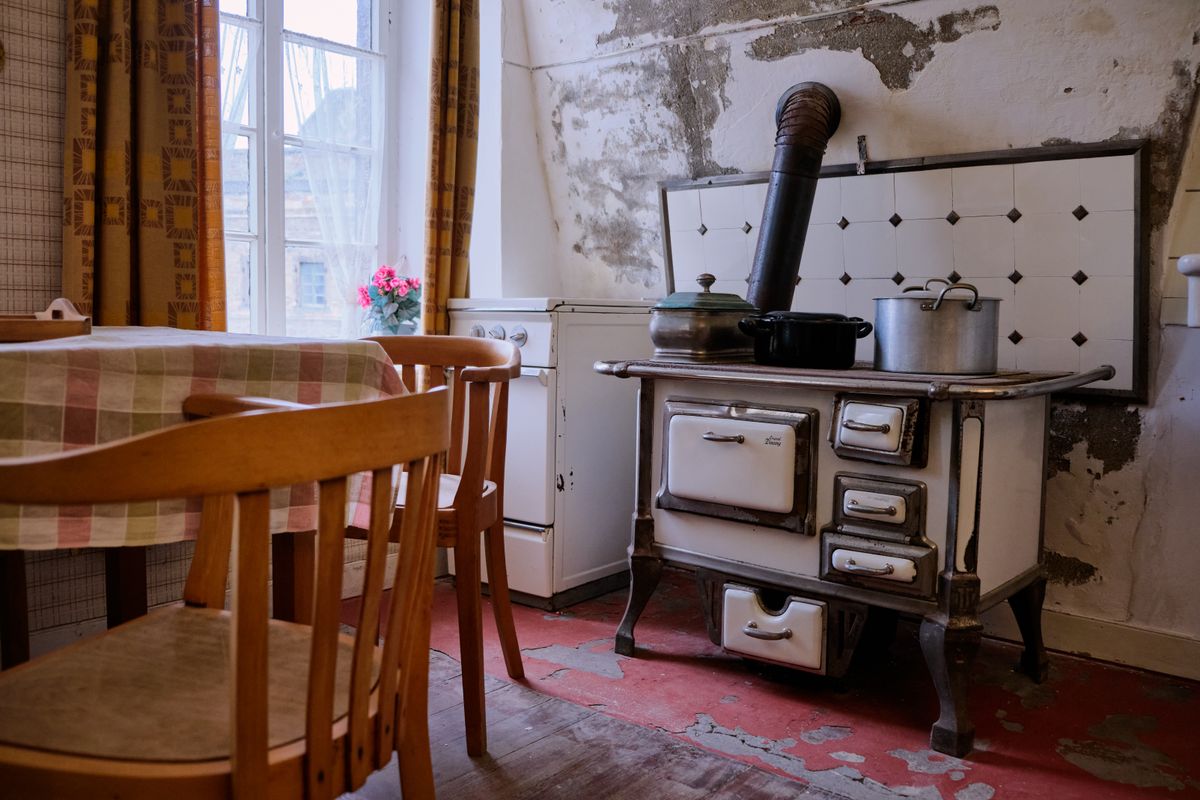
Step through the swinging doorway into an American suburban kitchen in 1968, and you stepped into the beating heart of the family home. The rhythmic *glug-glug-perk* of the electric coffee percolator greeted early risers, while the sun illuminated bright Harvest Gold countertops, a floral linoleum floor, and a wall-mounted rotary telephone with a twenty-foot coiled cord stretched into the hallway.
The kitchen was not a pristine showcase intended for social media photos; it was a warm, bustling workshop where three square meals a day were made from scratch. It smelled of roasting chicken, yeast rolls rising under damp tea towels, and fresh lemon-scented floor wax.
Over the last sixty years, no room in the American home has undergone a more radical architectural and cultural transformation. Let us explore the colorful evolution from the cozy, enclosed kitchens of the 1960s to the vast open-concept spaces of today.
The Palette of Pride: Avocado Green, Harvest Gold, and Coppertone
Before the modern era of universal stainless steel and sterile all-white cabinetry, American kitchens boldly embraced color. In the 1960s and 1970s, appliance manufacturers like General Electric, Frigidaire, and Westinghouse offered stoves, refrigerators, and dishwashers in rich earth tones.
Homeowners proudly coordinated their entire kitchens around signature shades: **Avocado Green**, **Harvest Gold**, **Coppertone Brown**, and later **Poppy Red**. Countertops were made of durable Formica, often bordered by polished aluminum trim that protected the edges from bumping pot lids.
Floors were covered in vibrant patterned linoleum or cushioned vinyl in mosaic geometric designs that were easy to mop clean after messy pancake breakfasts.
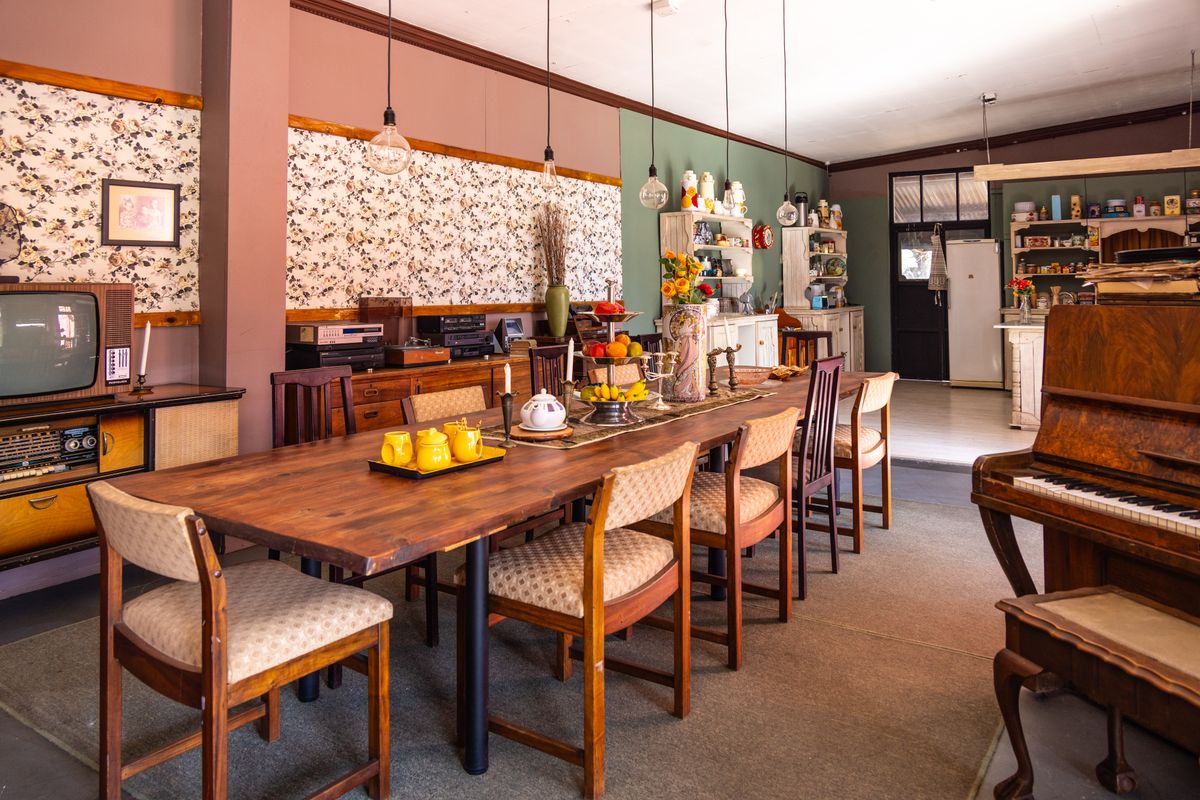
Pyrex, CorningWare, and the Metal Recipe Card Box
Open a kitchen cabinet in 1965, and you were met with a cheerful rainbow of **Pyrex opal glass bowls** and casserole dishes. Featuring beloved patterns like *Butterprint* (with its Pennsylvania Dutch farm motifs), *Gooseberry*, and *Spring Blossom Green*, these heavy glass dishes went effortlessly from freezer to oven to dinner table.
Sitting on the stovetop was almost certainly a white **CorningWare** casserole dish adorned with the iconic blue cornflower emblem, accompanied by an enamel tea kettle with a whistling spout.
On the counter sat a tin or wooden recipe card box packed with 3×5 index cards. Stained with drops of vanilla extract, butter smudges, and faded ink, these handwritten treasures recorded grandmother’s secret meatloaf glaze, church potluck green bean casseroles, and holiday fruitcakes passed down through generations.
The Architecture: Enclosed Workshop vs Open-Concept Great Room
In the 1960s, the kitchen was intentionally designed as a separate, enclosed room. A swinging door or narrow doorway separated the cooking workspace from the formal dining room and living room, keeping cooking smoke, grease splatters, and clattering dish noises out of view when guests visited for Sunday dinner.
Modern homes, by contrast, have eliminated interior walls in favor of massive open-concept “great rooms.” Today’s kitchens are built around enormous quartz or granite center islands with barstool seating, commercial-style six-burner gas ranges, and wine coolers.
While modern layouts allow the cook to remain part of the family conversation, they also mean that every unwashed pot and dirty dish is on full display from the living room couch.

The Rotary Wall Phone: The Original Social Network
Mounted proudly next to the refrigerator or kitchen table was the household’s central communications hub: the rotary wall telephone. Usually finished in matching avocado green or mustard yellow, it had a coiled cord that could stretch miraculously into the pantry, basement stairwell, or laundry room whenever a teenager wanted a shred of privacy.
Taped to the wall beside the phone was a paper pad with emergency numbers, the local pharmacy, the pediatrician, and the bowling league schedule scribbled in ballpoint pen.
Unlike modern smartphones carried in individual pockets, the kitchen wall phone was a communal family device. When it rang, everyone in the house froze to guess who was on the other end of the line.
From Scratch Cooking to “Heat-and-Serve” Convenience
The contents of kitchen pantries and refrigerators tell the story of evolving American dining habits. In the 1960s, mothers peeled potatoes, shelled peas, kneaded dough, and simmered chicken stock for hours on the back burner.
The introduction of countertop microwave ovens, non-stick Teflon skillets, and slow-cooker crockpots in the 1970s marked the dawn of the convenience era. Suddenly, dinners could simmer safely all day while both parents worked, or frozen casseroles could be thawed and served in minutes.
The Bread Box, Tupperware Parties, and Crown Jewel Jell-O Molds
Every proper mid-century kitchen featured a chrome or enameled metal **bread box** sitting proudly on the counter, keeping sandwich loaves and bakery buns fresh. Nearby hung decorative copper **Jell-O molds** in shapes of fish, wreaths, and stars, ready to create the shimmering lime or cherry gelatin salads that were de rigueur at every family holiday table.
And who could forget the phenomenon of the neighborhood **Tupperware party**? Homemakers gathered in living rooms to watch demonstrations of airtight “burping” lids, purchasing sets of pastel Wonderlier bowls, salt-and-pepper shakers, and celery keepers that kept vegetables crisp for weeks. Those sturdy plastic containers were built so well that many are still serving potato salad in American households today.
The Warmth That Never Fades
While modern smart refrigerators can build digital shopping lists and high-tech induction cooktops heat pans with magnetic precision, they cannot replicate the soul of those mid-century kitchens. The true magic was never in the gadgets—it was in the warmth of mothers baking holiday cookies, the aroma of Sunday roasts filling the house, and families squeezing together around formica kitchen tables to share the stories of their day.
What color were the appliances in your childhood kitchen, and what is your favorite meal that was cooked on that stove?
🍳 Related Memory: Remember the gadgets on the counter in the kitchen gadgets every 1970s American household had and revisit the 1970s home decor trends Americans loved.