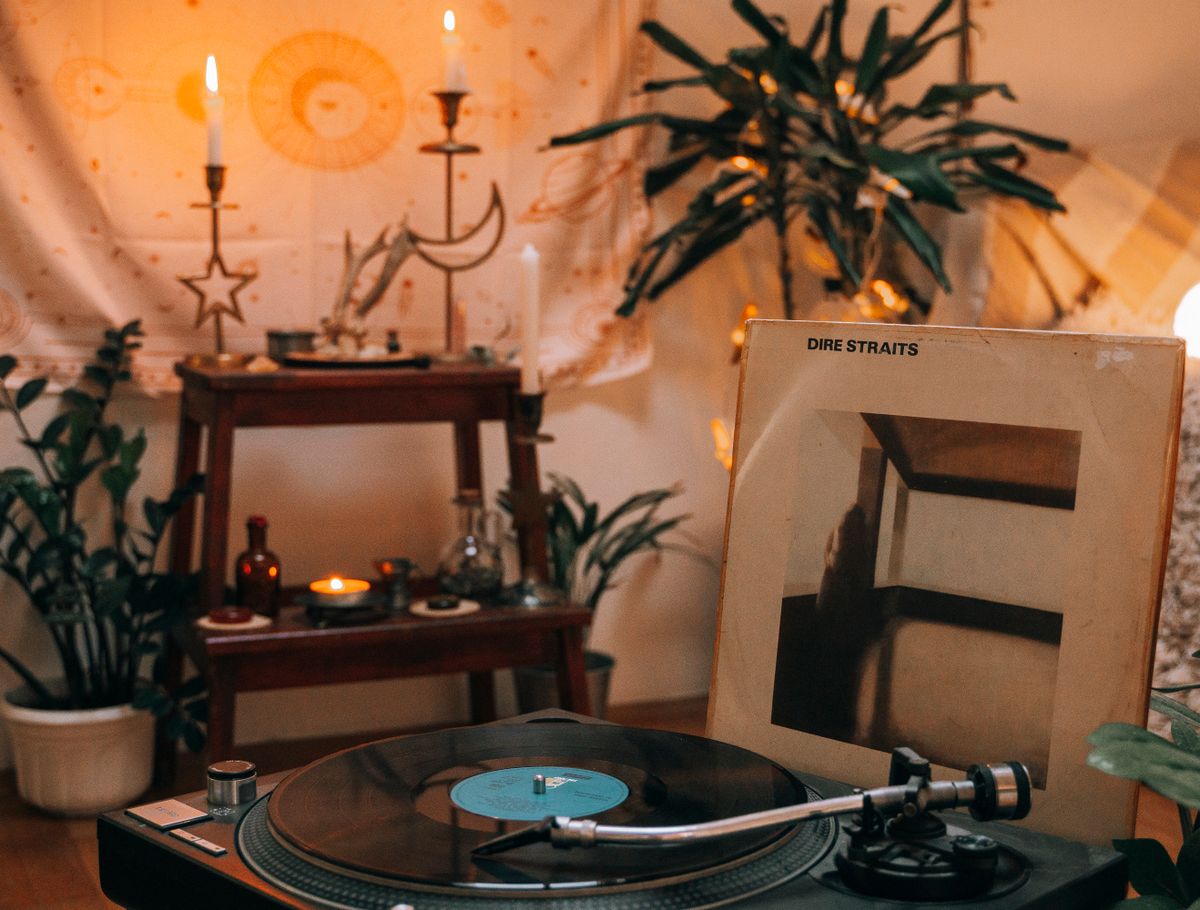
Step through the front door of an American suburban home in 1977, and your feet immediately sank two inches into a sea of plush, burnt-orange shag carpeting. The living room was a symphony of rich earth tones, textured textiles, and warm ambient lighting that made you want to kick off your platform shoes and relax on the couch for hours.
The 1970s was a decade that completely rejected the stark, clinical minimalism of modern design. Homeowners embraced bold textures, natural woods, handcrafted wall art, and an abundance of hanging greenery that brought the outdoor wilderness straight into the family living room.
While design trends have evolved, there was an unmistakable coziness and warmth to 1970s interior decor that modern gray-and-white houses struggle to match. Let us open the beaded curtain and revisit the iconic home decor styles we all loved.
The Shag Carpet and the Legendary Plastic Carpet Rake
Nothing defined a 1970s living room quite like wall-to-wall **shag carpeting**. Woven with thick, two-to-three-inch strands of twisted wool or nylon, it came in rich, unapologetic shades: **Harvest Gold**, **Rust Orange**, **Moss Green**, and multi-colored variegated weaves affectionately known as “avocado dip.”
Walking barefoot across shag carpet was pure luxury, and kids spent entire afternoons lying on their stomachs watching television or building model airplanes. However, keeping it fluffy was a serious household chore.
Every home had a specialized **plastic carpet rake** stored in the hall closet. After running the heavy upright Hoover vacuum, moms and dads raked the carpet fibers in long, backward strokes to fluff the yarn back up and erase all vacuum wheel tracks before company arrived.
Dark Wood Paneling: The Warm Heart of the Den
In the family room, finished basement, or home office, painted drywall took a back seat to sheets of vertical **dark wood paneling**. Made of thin plywood with embossed woodgrain textures and vertical dark grooves every few inches, it instantly gave rooms the cozy feel of a mountain ski lodge.
Wood-paneled walls were decorated with brass sunburst wall clocks, commemorative family plates hung on wire brackets, framed needlepoint samplers, and mounted deer antlers or antique duck decoys.
It absorbed sound, softened ambient lighting, and served as the ideal backdrop for family celebrations, Friday night poker games, and listening to vinyl records.
Macramé Plant Hangers and the Houseplant Craze
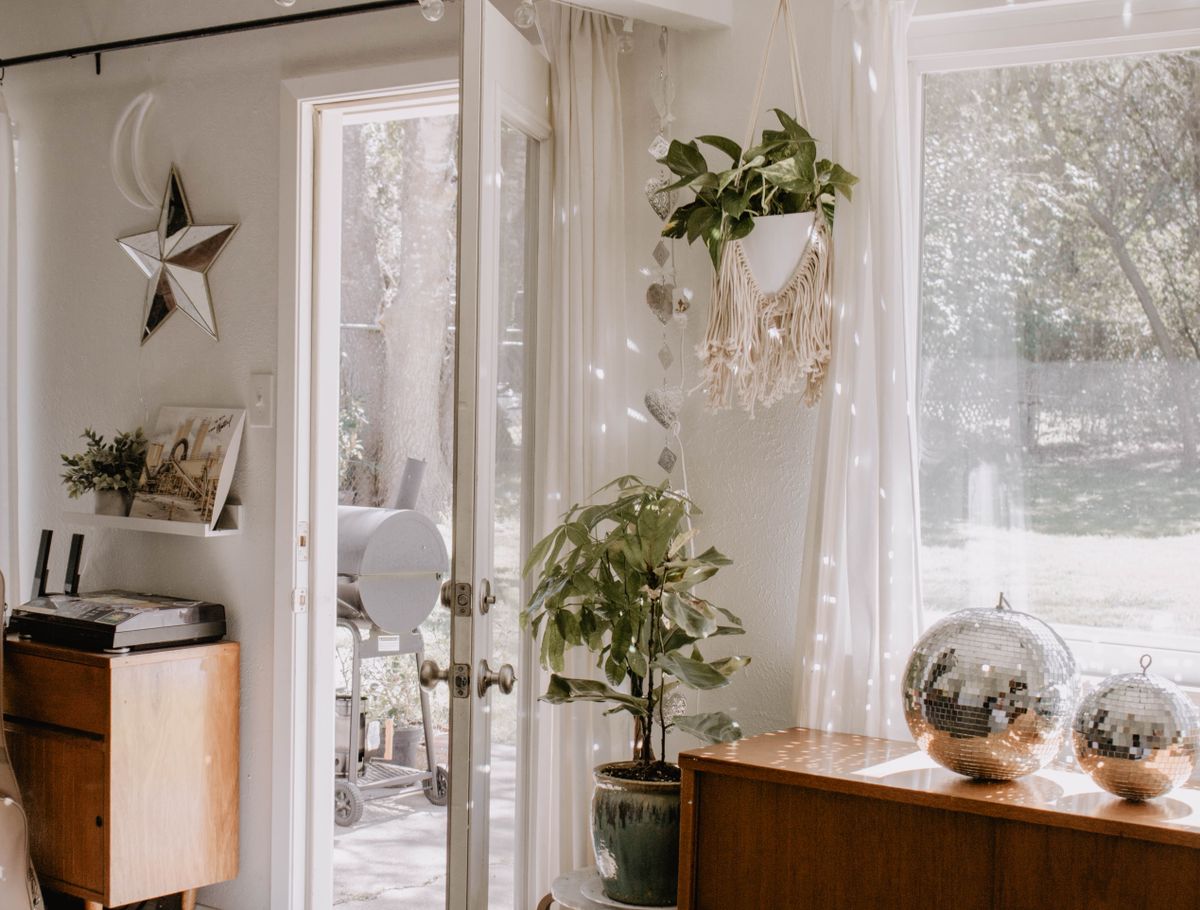
Long before modern indoor plant trends, 1970s households turned their living rooms into lush indoor jungles. Hanging from brass ceiling hooks in nearly every corner were intricate, handcrafted **macramé plant hangers** made of knotted cream jute rope and wooden beads.
Suspended in ceramic pots were cascading **spider plants**, overflowing **Boston ferns**, and trailing **golden pothos** vines that wound their way across curtain rods and bookshelf edges.
Handcrafting macramé was a national hobby. Women attended evening craft classes to learn square knots, half-hitches, and larks-head loops, proudly gifting plant hangers, wall tapestries, and owl-shaped wall hangings to friends and relatives.
Peacock Rattan Chairs and Wicker Furniture
Natural wicker, bamboo, and rattan were essential elements of 1970s interior elegance. The ultimate status symbol in casual seating was the towering **Peacock Chair**, featuring an enormous, flared, woven-wicker backrest that looked like a royal throne.
Wicker coffee tables with glass tops, hanging wicker egg chairs suspended by heavy steel chains, and rattan etagere bookshelves filled with paperbacks and seashells brought a breezy, bohemian sophistication into suburban homes.
Velvet Sofas, Earth-Tone Florals, and Beaded Curtains
Seating in the 1970s was built for ultimate relaxation. Enormous sectional sofas were upholstered in crushed velvet, wide-wale corduroy, or heavy brocade fabrics featuring oversized floral patterns in shades of mustard, gold, and brown.
In many formal living rooms, grandmothers took the extra step of encasing pristine sofas in **clear, heavy vinyl slipcovers** to protect the fabric from spills—leading to memorable squeaking sounds and legs sticking to the plastic on hot summer afternoons!
Between doorways or leading into teenage bedrooms hung **hanging beaded curtains** made of bamboo rods, painted wooden beads, or colorful glass spheres that clattered musical greetings every time someone passed through.
Lava Lamps and String Art: The Artistic Soul of the Era
On top of stereo credenzas and nightstands, **Lava Lamps** provided hypnotic, slow-motion light shows as blobs of colored wax rose and fell inside glass bottles of warm liquid. Nearby hung intricate **geometric string art**—wooden boards covered in black velvet with brass nails outlining sailing ships, owls, or mandalas wound in metallic thread.
The Sunken Conversation Pit and Hanging Swag Lamps
In custom architectural homes of the 1970s, the pinnacle of living room sophistication was the **sunken conversation pit**. Stepping down two or three carpeted stairs into a recessed seating area lined with built-in bench cushions created an intimate, theater-like gathering space that naturally encouraged hours of face-to-face conversation.
Hanging gracefully over the conversation pit or dining table was the iconic **amber glass swag lamp**. Suspended from a long brass chain woven with gold velvet cord that draped across the ceiling on decorative brass hooks, it had a weighted tassel pull chain at the bottom that clicked softly to cast a warm, golden, honeyed glow across the entire room.
Why We Still Long for 1970s Warmth
While some 1970s decor trends eventually faded into nostalgia, the core philosophy behind them remains deeply attractive: creating a warm, organic, deeply comfortable home filled with personal craftsmanship, rich colors, and welcoming spaces for family and friends.
Which 1970s home decor trend was in your house growing up, and would you ever consider bringing it back today?
🛋️ Related House Tour: Explore the suburban housing boom in the cost of a new home in the 1970s vs today and see how the American kitchen has changed since the 1960s.