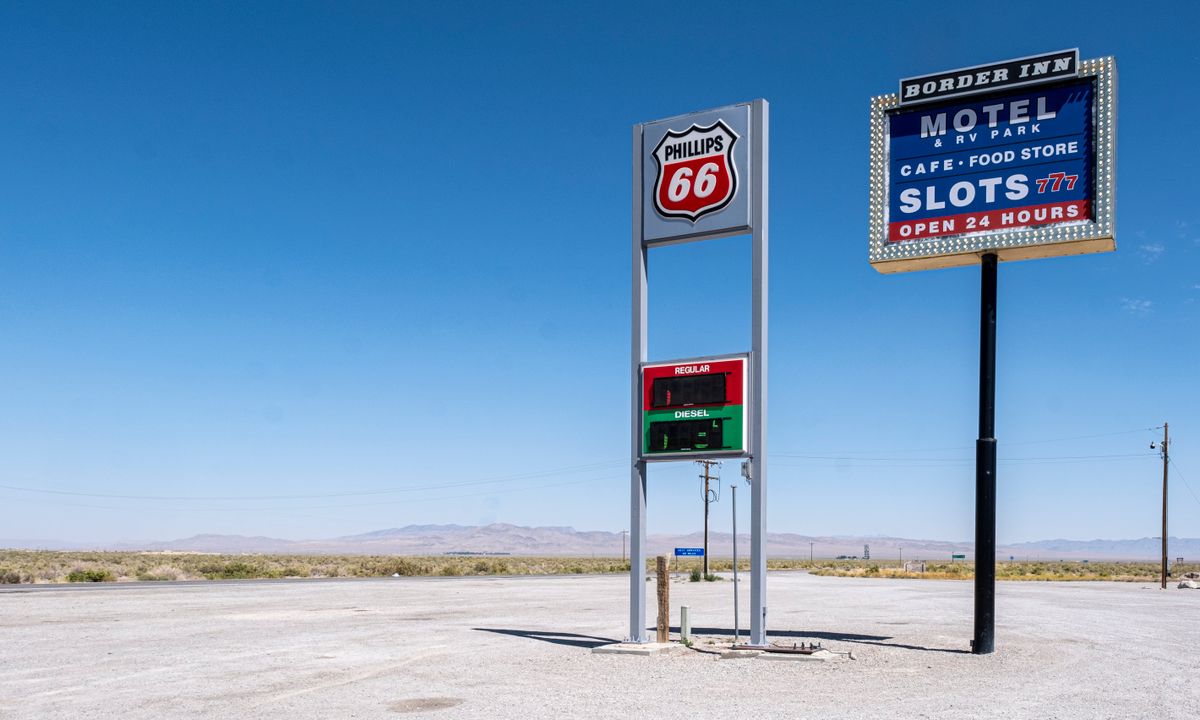
There is a singular thrill that takes hold of your spirit when your tires hum against the weathered asphalt of U.S. Highway 66. Stretching 2,448 sun-drenched miles from the shores of Lake Michigan in Chicago all the way to the Pacific Ocean pier in Santa Monica, California, “The Mother Road” was the ultimate ribbon of 20th-century American adventure.
During the 1950s and 1960s, traveling Route 66 was a celebration of entrepreneurial imagination. Local business owners erected giant neon signs, towering fiberglass statues, concrete wigwams, and whimsical roadside oddities designed to entice vacationing families to pull their station wagons over for gas, cold soda pop, and souvenirs.
While the interstate highway system eventually bypassed these historic corridors, the vibrant soul of Route 66 lives on. Let us buckle up and explore the most iconic roadside attractions that made the Mother Road legendary.
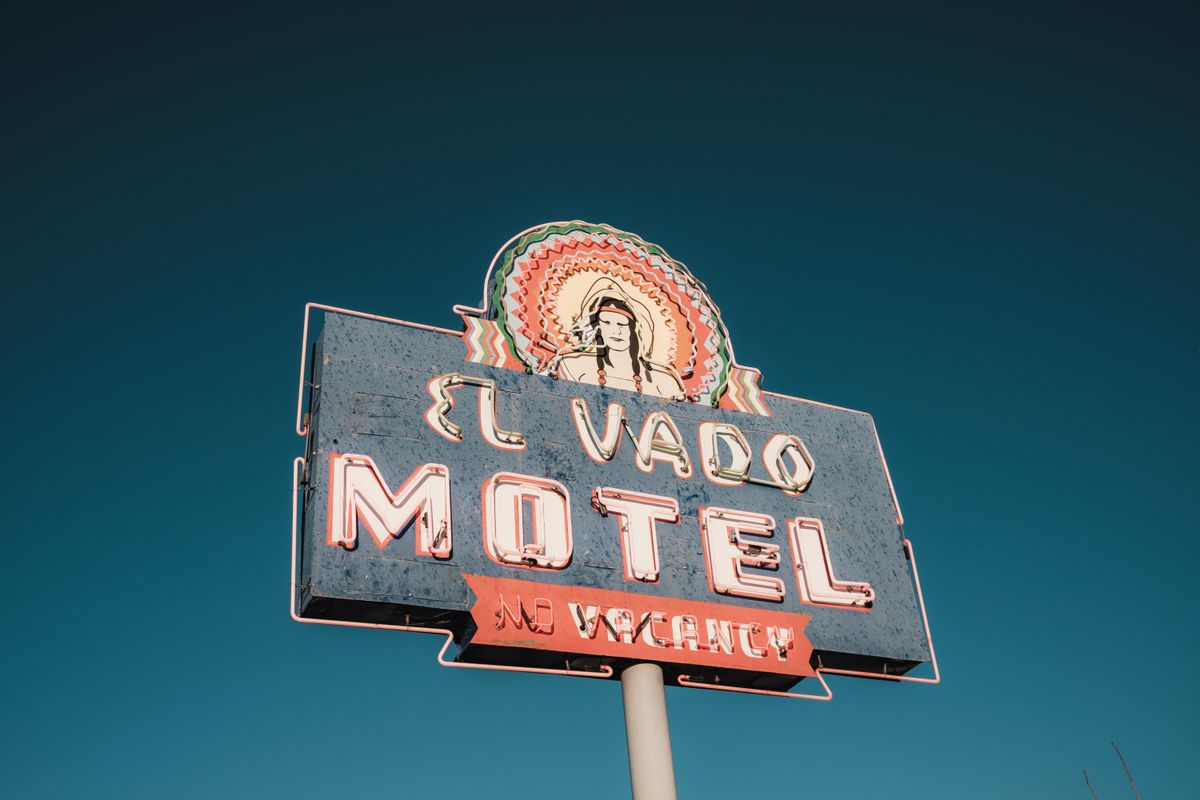
The Wigwam Motels: “Have You Slept in a Wigwam Lately?”
Rising like a storybook village against the Arizona and California desert skylines, the **Wigwam Motels** (specifically Village No. 6 in Holbrook, Arizona, and Village No. 7 in Rialto, California) remain the crown jewels of classic highway lodging.
Conceived by Frank Redford, these individual concrete-and-stucco teepee guest rooms stood twenty-eight feet tall, complete with private bathrooms, air conditioning, and hand-carved hickory furniture. Outside each teepee sat a vintage 1950s automobile permanently parked in the driveway, creating a living time capsule.
Children squealed with delight at the thought of sleeping inside a giant teepee, while neon signs glowing in red and yellow beckoned exhausted cross-country drivers off the highway.
Cadillac Ranch: Amarillo’s Submerged Tailfin Monument
Just west of Amarillo, Texas, alongside the dusty Texas Panhandle plains, stands one of the most famous public art installations in the world: **Cadillac Ranch**.
Created in 1974 by the avant-garde art group Ant Farm and eccentric billionaire Stanley Marsh 3, the exhibit features ten vintage Cadillacs (ranging from a 1949 Club Coupe to a 1963 Sedan de Ville) buried nose-down in the soil at the precise angle of the Great Pyramid of Giza.
Travelers from around the globe pull over, carry cans of spray paint across the dirt field, and add their own names, dates, and colorful graffiti to the legendary tailfins, creating an ever-changing mosaic of communal roadside art.
The Blue Whale of Catoosa: A Gift of Love in Oklahoma
In Catoosa, Oklahoma, sits one of the friendliest landmarks on the entire route: **The Blue Whale**. Built by Hugh Davis between 1970 and 1972 as an anniversary gift for his wife Zelta, who collected whale figurines, this massive 80-foot iron-and-cement sperm whale rests peacefully in a spring-fed pond.
During summer heatwaves, the pond was a bustling community swimming hole. Kids climbed inside the whale’s gaping jaws, slid down water slides mounted to its tailfins, and dove off its head into cool water while families enjoyed picnic lunches under shady oak trees.
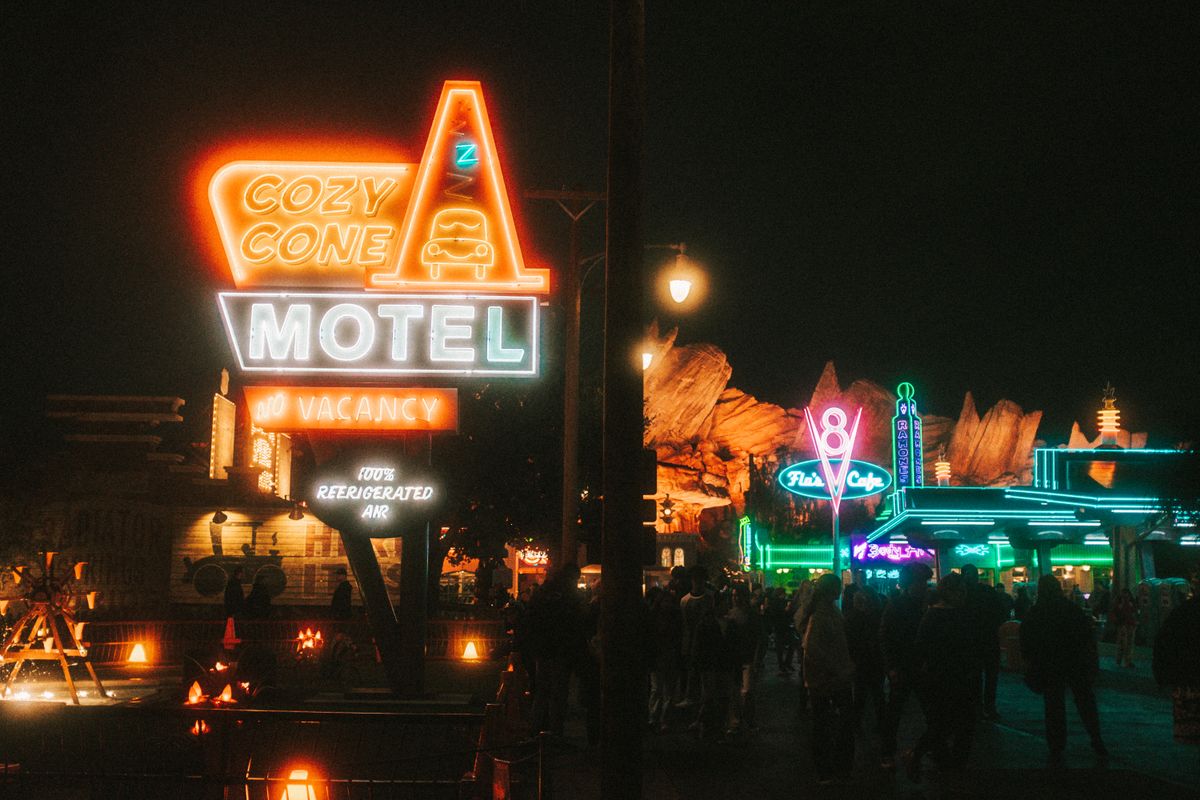
The Jack Rabbit Trading Post: “HERE IT IS!”
For hundreds of miles across Missouri, Oklahoma, Texas, and New Mexico, highway travelers were teased by dozens of black-and-yellow billboard signs showing a leaping hare and countdown mileage markers. Finally, near Joseph City, Arizona, motorists arrived at the legendary **Jack Rabbit Trading Post**, greeted by the famous billboard declaring simply: **”HERE IT IS!”**
Families stopped to buy turquoise Indian jewelry, bags of Southwestern pecan pralines, route maps, and route shields. Outside, children climbed atop a giant six-foot fiberglass jackrabbit for an obligatory family Kodak snapshot that was pasted into vacation scrapbooks across America.
The Big Texan Steak Ranch: The 72-Ounce Challenge
In Amarillo, Texas, **The Big Texan Steak Ranch** turned roadside dining into grand theater with its world-famous **72-Ounce Steak Challenge**. Since 1960, anyone who can eat a four-and-a-half-pound beef sirloin, baked potato, shrimp cocktail, salad, and buttered dinner roll within one hour gets the entire meal for free.
Contestants sit on an elevated wooden stage under a ticking digital timer, cheered on by hundreds of dining room patrons eating Texas barbecue and sipping frosty mugs of root beer.
The Muffler Men and the Gemini Giant
Towering twenty feet above roadside gravel lots stood the legendary **Muffler Men**—fiberglass advertising colossi with chiseled jaws and outstretched hands designed to hold mufflers, hot dogs, or axes. In Wilmington, Illinois, the **Gemini Giant** was given a silver astronaut helmet and held a sleek green rocket ship in honor of the 1960s space race.
Standing outside the Launching Pad Drive-In restaurant, this towering space guardian became a beloved photo stop for road-trippers heading southwest from Chicago toward the Mississippi River.
Oatman and Hackberry: Ghost Towns and Wild Burros
Winding through the treacherous hairpin curves of the Black Mountains in western Arizona brought travelers to **Oatman**, a former gold rush boomtown where wild burros freely roam the wooden sidewalks. Descended from pack animals left behind by 19th-century prospectors, these friendly donkeys gently nudge tourists for carrots outside historic saloons whose interior walls are papered with thousands of signed one-dollar bills.
Nearby, the **Hackberry General Store** serves as the ultimate vintage museum of Mother Road relics, boasting rusted vintage gas pumps, classic Mobil Pegasus porcelain signs, and an iconic 1957 Corvette parked under the shade trees.
The Enduring Spirit of the Mother Road
Route 66 was never just a highway—it was the grand stage of American wanderlust. It represented our country’s restless desire to head West toward the sunset, explore two-lane small towns, and discover genuine hospitality around every curve.
Have you ever traveled a stretch of historic Route 66, and what was your favorite roadside stop along the way?
🛣️ Related Mother Road Story: Explore vintage travel in gas station prices and road trips: then vs now and pull into a booth in diners and roadside restaurants that disappeared.