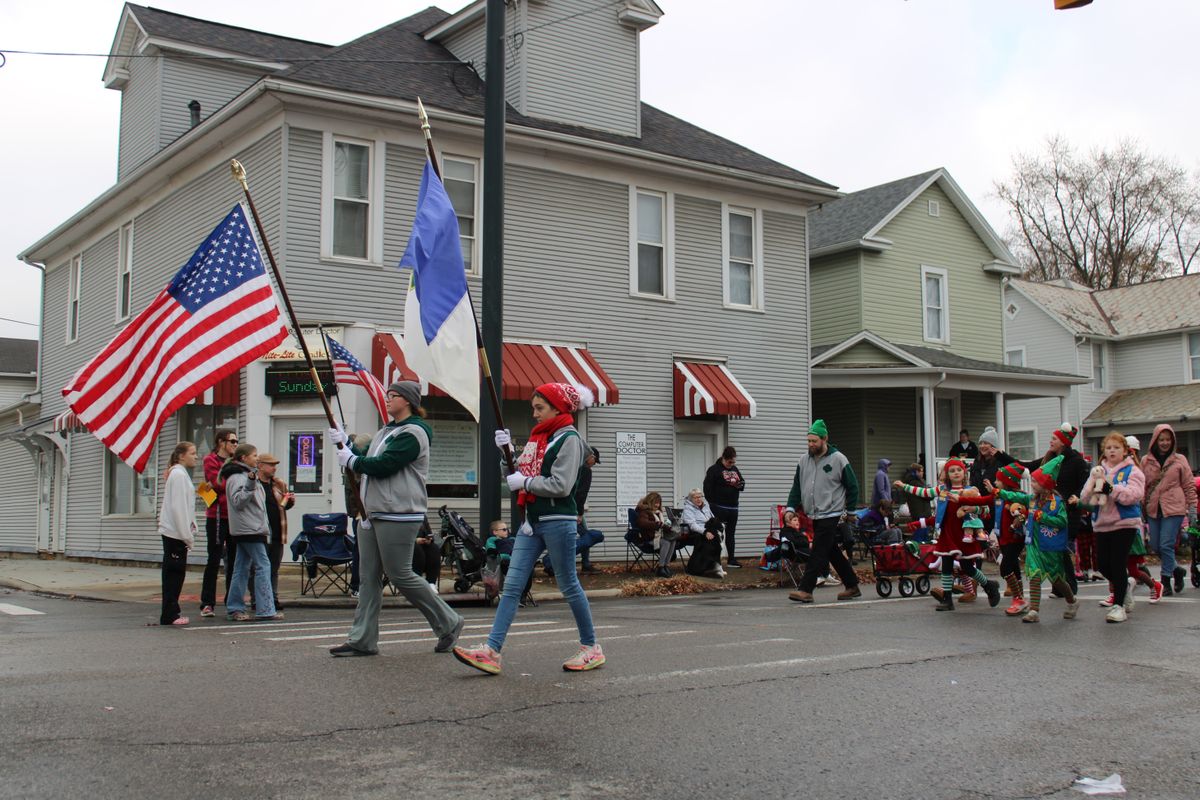
If you drove down a maple-shaded residential street in any American small town forty years ago on a summer evening, you would witness a silent, beautiful gesture repeated on almost every block: the front porch wave. A neighbor sitting in a wooden rocking chair or painted metal glider would look up, make eye contact, and raise their hand in an unhurried, genuine greeting as you drove past.
Small-town America was never just a geographic location—it was a shared social covenant. Life was built upon unwritten rules of trust, mutual reliance, multigenerational friendships, and community rituals that tied everyone together from the cradle to the rocking chair.
As modern life has grown increasingly fast-paced, digital, and isolated, many of these cherished customs have quietly faded into the background. Let us step onto the porch and reflect upon the vanishing traditions that once made small-town America feel like one giant extended family.
The Unlocked Screen Door and the Open Kitchen Rule
In mid-century small towns, locking your front door during the day was virtually unheard of. Homes were protected by nothing more than a lightweight wooden screen door with a simple wire hook-and-eye latch that kept out flies while letting the summer breeze circulate through the hallway.
Neighbors and children didn’t knock politely or wait for a formal text message before visiting. They opened the screen door with a gentle slap of the wooden frame, stepped into the kitchen, and shouted, “Hello, is anyone home?” while setting down a plate of warm zucchini bread on the table.
If your car broke down or you needed a cup of sugar while making Sunday dinner, you walked across the lawn without a second thought, knowing the door was always open.
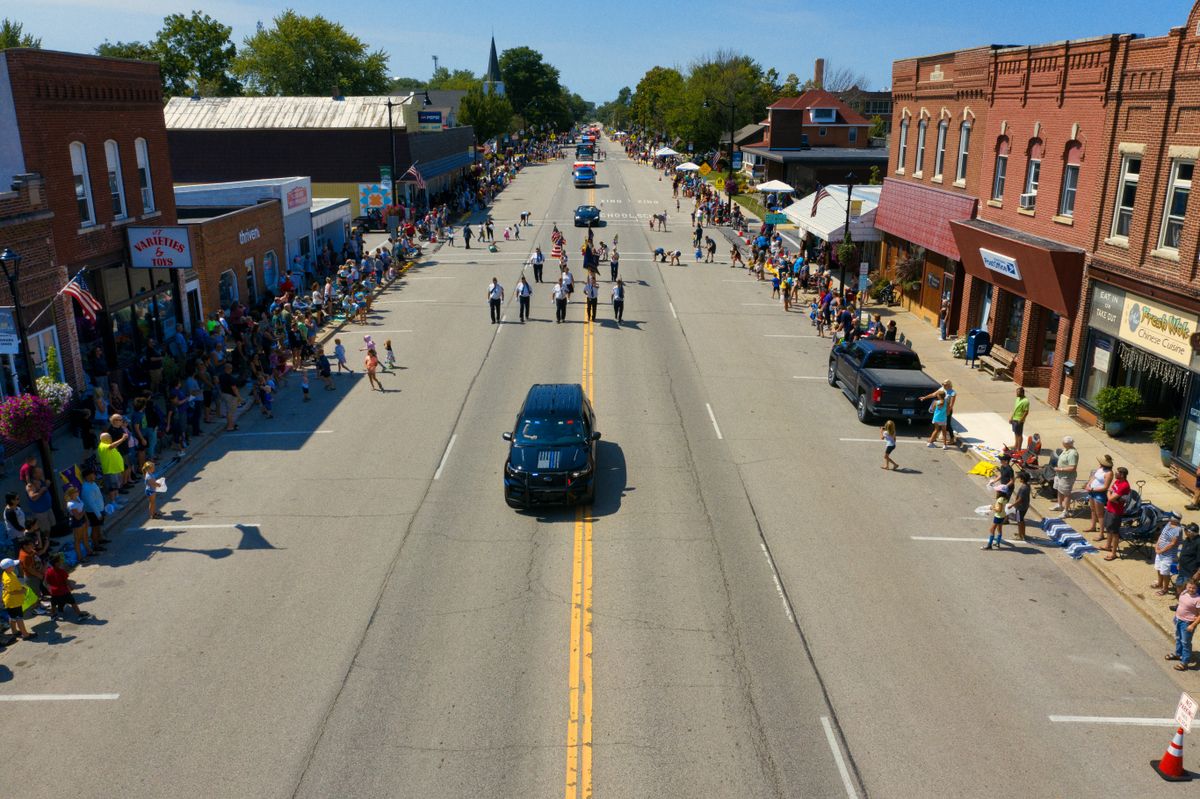
The Hometown Parade: Fire Trucks and Candy on the Curb
No holiday was celebrated with greater heartfelt enthusiasm than Memorial Day, the Fourth of July, or Labor Day in small-town America. By 9:00 AM, families lined the curbs of Main Street, unfolding aluminum lawn chairs and waving miniature American flags.
The parade was pure grassroots pride: the local high school marching band in wool uniforms playing patriotic marches, classic tractors driven by area farmers, decorated bicycles ridden by Boy Scouts, and the local volunteer fire department with sirens roaring.
Firefighters in yellow turnout gear stood on the running boards of the pumper trucks, hurling handfuls of Dubble Bubble gum, Tootsie Rolls, and hard candies toward squealing children scrambling across the pavement.
The Church Basement Potluck: The Ultimate Culinary Feast
Following Sunday service or during community fundraisers, everyone headed downstairs to the church fellowship hall for the legendary **potluck supper**.
Lined along folding tables covered in white paper rolls was an unbelievable culinary spread prepared by the town’s finest cooks: crispy Southern fried chicken, scalloped potatoes, three-bean salads, Swedish meatballs in slow-cookers, and green bean casseroles crowned with French’s crispy fried onions.
The dessert table was an art gallery of scratch-made baking: mile-high lemon meringue pies, rhubarb crisps, German chocolate cakes, and shimmering Jell-O molds. Recipes were generously shared and copied down on index cards, accompanied by warm laughter and second helpings.
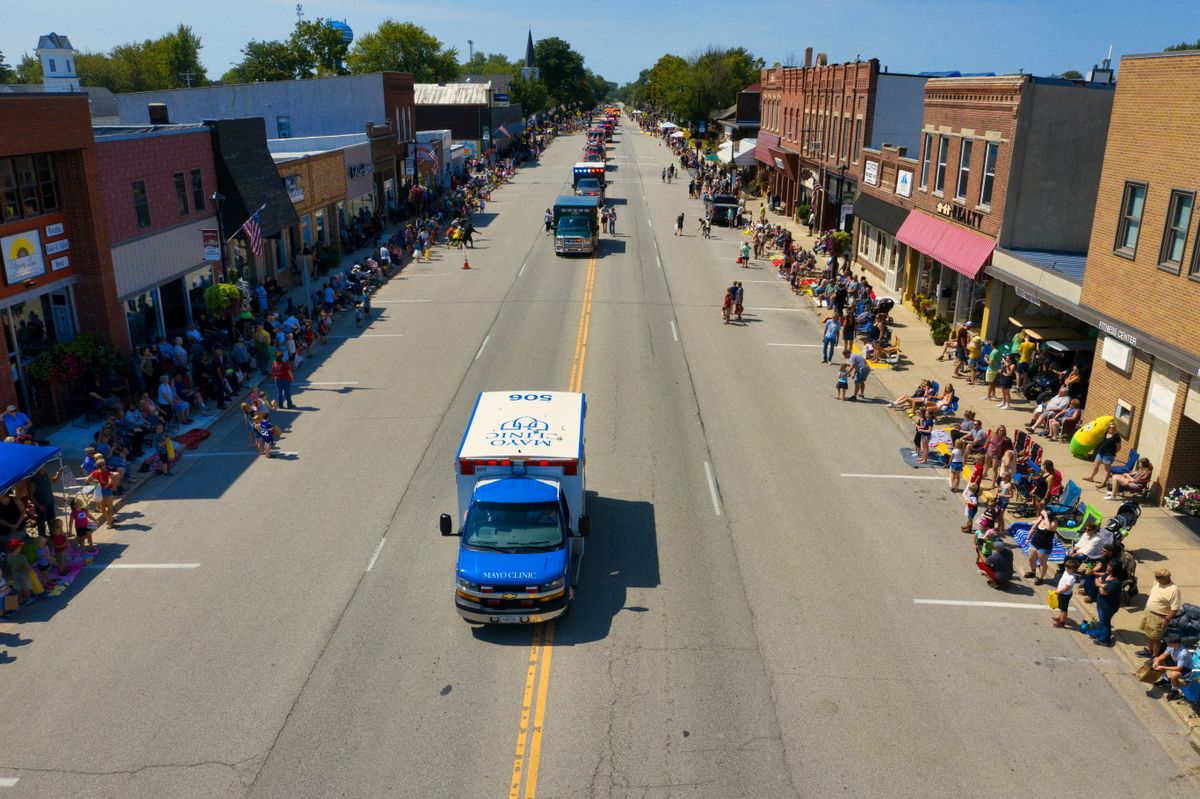
The Paper Boy on a Schwinn Bicycle
In every neighborhood, the crack of dawn was heralded by the rhythmic whir of a bicycle chain and the soft *thud* of the morning newspaper landing squarely on the front porch doormat.
Young teenagers earned their very first paychecks delivering the *Gazette* or *Herald*, balancing canvas bags overflowing with folded papers over the handlebars of a sturdy Schwinn bicycle in rain, heat, and snow. On Saturday mornings, the paper boy knocked on doors to collect monthly subscription fees, learning early lessons in financial responsibility, punctuality, and neighborly manners.
Friday Night Lights: The Heartbeat of the Entire Town
In autumn, when the sun dipped below the horizon and the cool October breeze arrived, virtually every business on Main Street shut its doors early for **Friday Night High School Football**.
Under towering stadium halogen lights, the entire community gathered on metal bleachers. Store owners cheered for their teenage cashiers on the field, grandparents bundled under wool blankets sipping hot cider, and the marching band played the school fight song with deafening spirit.
Win or lose, the entire town gathered at the local diner or school gymnasium afterward for post-game soda floats and camaraderie.
The County Fair: Blue Ribbons and 4-H Pride
Every August, the annual **County Fair** brought farm families and townspeople together for a week of agricultural celebration and mid-way excitement. In the exhibition halls, farmers proudly displayed prized livestock, towering stalks of corn, and giant pumpkins, while 4-H youth stood proudly beside heifers and sheep they had raised from birth.
Inside the domestic arts pavilion, glass display cases housed rows of mason jars containing homemade canned peaches, bread-and-butter pickles, and strawberry preserves alongside scratch-made apple pies competing for coveted blue and purple grand champion ribbons.
Summer Nights at the Town Square Gazebo Bandstand
On warm Sunday evenings in July, the town gathered around the white Victorian **gazebo bandstand** on the village green. The local community brass band played classic Sousa marches and nostalgic big band tunes while children played tag on the grass and parents sat on quilt blankets eating vanilla ice cream cones from the corner parlor.
Keeping the Spirit of Community Alive
While the world around us continues to accelerate, the values that small-town traditions taught us remain timeless: kindness to strangers, pride in our neighbors, and the deep understanding that we are always stronger when we look out for one another.
What small-town tradition from your youth do you miss the most, and how can we keep that neighborly spirit alive today?
🇺🇸 Related Hometown Story: Discover the community heartbeat in the story behind America’s oldest general stores and pull up a stool in small-town diners that have survived for decades.