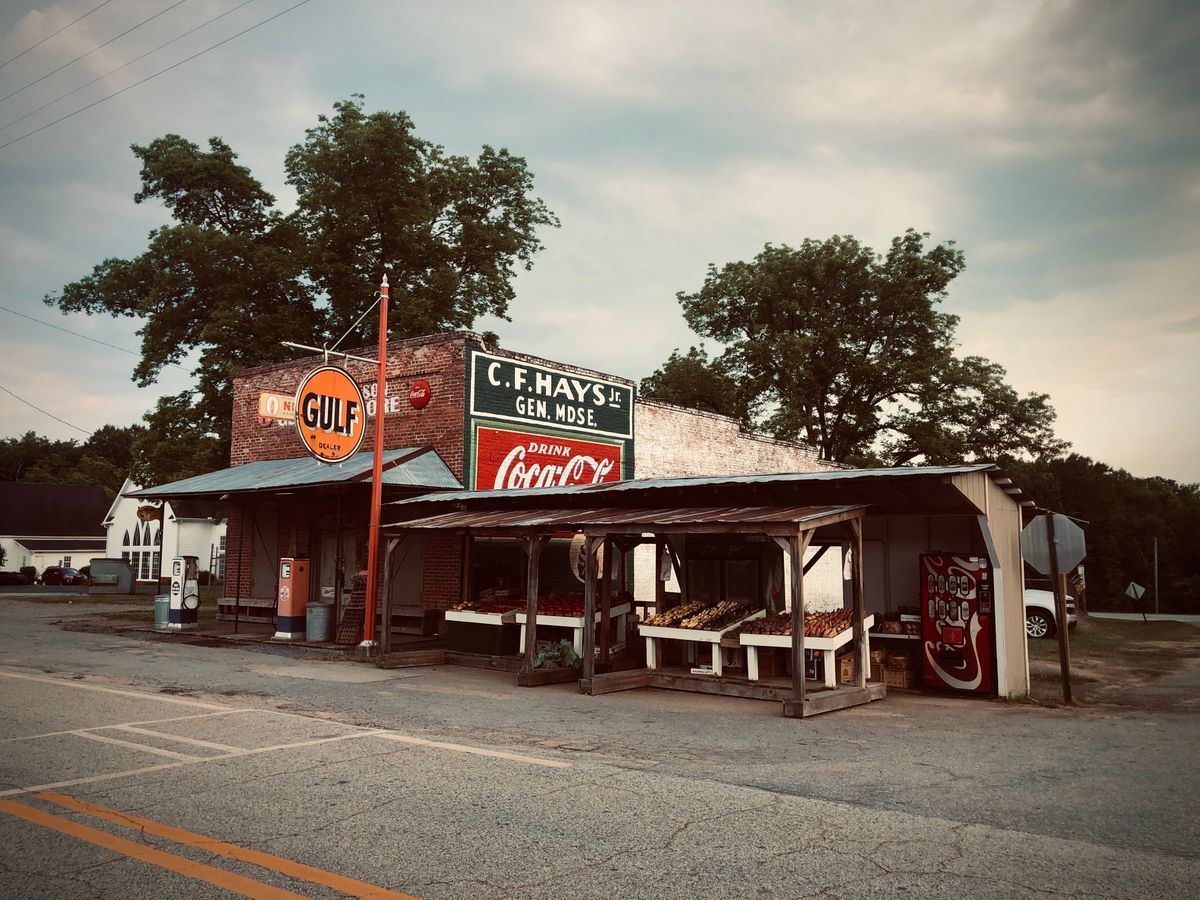
Push open the heavy screen door with its jingling brass overhead bell, and your senses are instantly welcomed by an intoxicating blend of aromas: cured smoked hams hanging from hand-hewn ceiling rafters, freshly ground coffee beans, sharp aged cheddar cheese, and old cedar wood planks seasoned with linseed oil and beeswax.
Long before department stores, strip malls, and e-commerce websites existed, the American general store was the undisputed epicenter of frontier and rural civilization. It was a one-stop emporium that provided everything a homestead needed to survive—from bags of flour and horse harness oil to cast-iron skillets, wool flannel shirts, and neighborhood gossip.
A handful of these miraculous historical institutions have managed to keep their wooden front doors open continuously for over two centuries. Let us step onto the creaking pine floorboards and explore the enduring legacy of America’s oldest general stores.
The Heartbeat of the 19th-Century Community
In early rural America, the country storekeeper was far more than a merchant. He served as the town postmaster, news broadcaster, informal town banker, and political mediator.
Farmers brought in eggs, butter, and hand-knit wool socks to trade for bolts of calico fabric, kerosene for lanterns, salt pork, and boxes of nails. Store credit was extended on the honor system, recorded with pencil in leather-bound ledgers and settled twice a year when crops were harvested.
At the center of the store stood the glowing cast-iron **potbelly stove**. Surrounding it on cold winter mornings sat the “whittling and spitting club”—local elders seated on overturned wooden lard buckets, playing games of checkers on red-and-black painted barrel tops while warming their boots.
The Wooden Pickle Barrel and the Glass Candy Counter
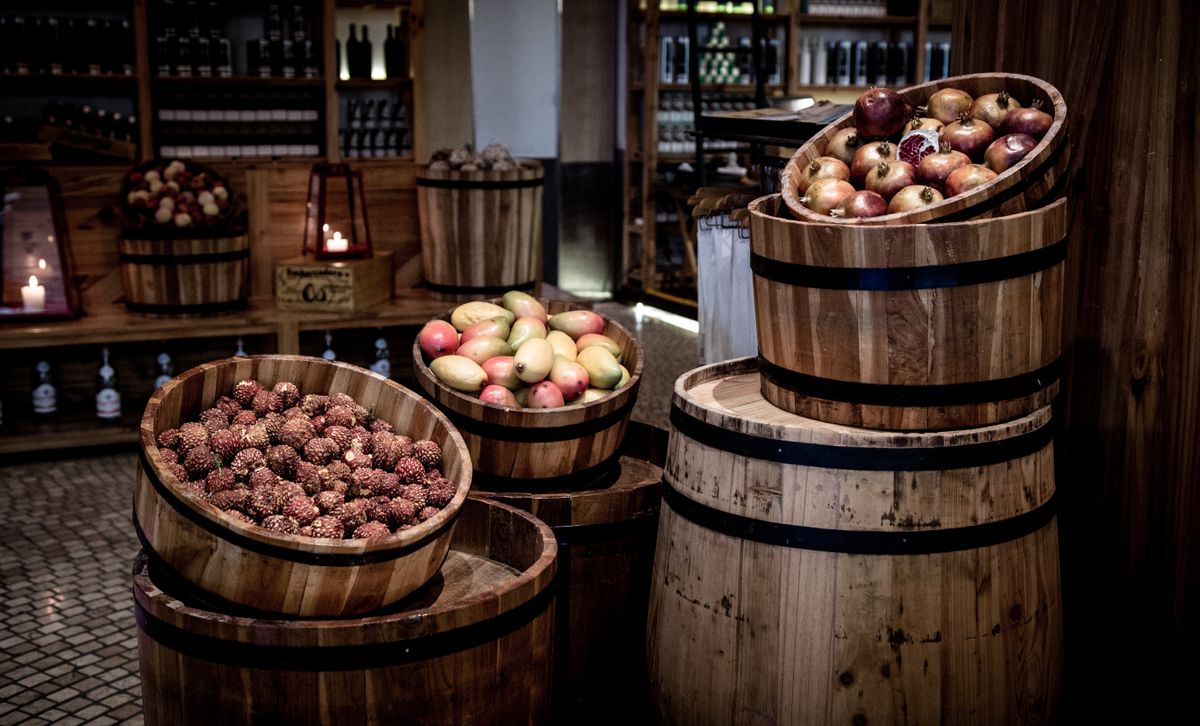
For generations of children, visiting the general store was the ultimate reward after completing farm chores or earning a good report card in school. Resting on the floor was a massive wooden barrel filled with fragrant green brine and giant whole garlic dill pickles.
Reaching into the barrel with long wooden tongs to fish out a crisp, dripping pickle for a single nickel was an unforgettable rite of passage.
Next to the brass National cash register sat the glass candy counter, lined with towering apothecary jars filled with penny sweets: **Mary Janes**, **Bit-O-Honey**, **Root Beer Barrels**, **Necco Wafers**, **Black Cow taffy**, and sticks of pure peppermint. The storekeeper patiently scooped your selections into a tiny brown paper sack, weighing it on an iron balance scale.
The Brick Store: America’s Oldest in Bath, New Hampshire
Operating continuously since **1790**, **The Brick Store** in Bath, New Hampshire, holds the proud title of the oldest continuously operated general store in the United States. Constructed of local red brick to resist frontier fires, it has served customers through the administrations of every single U.S. President starting with George Washington.
Inside, visitors still find smoked country hams cured in the store’s smokehouse, homemade fudge, local maple syrup poured into glass jugs, and penny candy scooped behind historic counters.
Mast General Store: North Carolina’s Mountain Legend
Nestled in the picturesque Blue Ridge Mountains of Valle Crucis, North Carolina, the **Mast General Store** opened its doors in 1883. Its famous motto—*”If you can’t buy it here, you don’t need it”*—rang true for generations of mountain families.
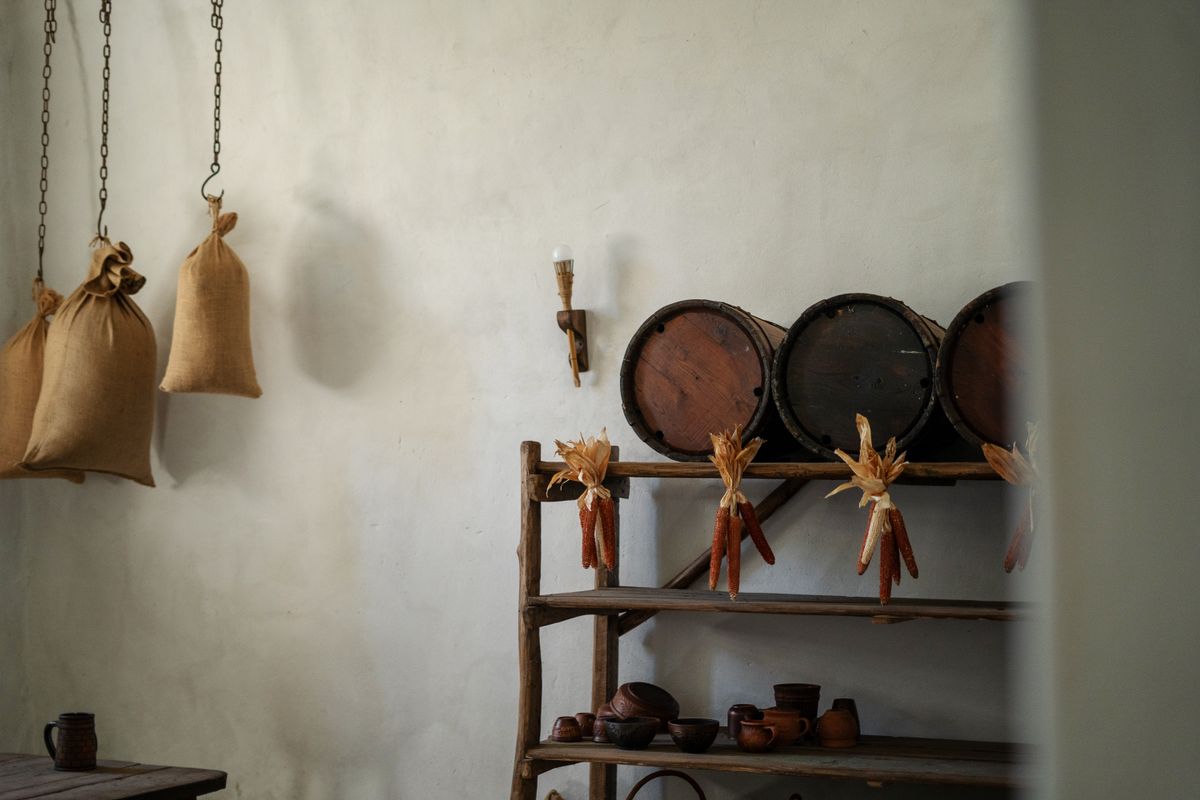
The original store retains its creaking, sloping wooden floors, vintage post office boxes with brass dials, a functioning potbelly stove, and walls lined with everything from cast-iron cookware to overalls and classic wooden toys.
The Floyd Country Store: Virginia’s Bluegrass Sanctuary
In Floyd, Virginia, **The Floyd Country Store** has served its mountain farming community for over a century. In addition to stocking local honey, farm-fresh eggs, and bib overalls, the store is world-renowned for its weekly **Friday Night Jamboree**.
Every Friday evening, the center grocery displays are wheeled to the side, and the store transforms into a lively dance hall where fiddlers, banjo players, and flatfoot dancers of all ages celebrate the timeless acoustic heritage of the Appalachian mountains.
The Vermont Country Store: Preserving Nostalgic America
Founded in Weston, Vermont, in 1946 by Vrest and Ellen Orton, **The Vermont Country Store** pioneered the revival of hard-to-find vintage American goods. It remains a national treasure where shoppers can find nostalgic remedies like bag balm, manual egg beaters, flannel nightgowns, and wheels of sharp Vermont cheddar sliced directly off the block.
The Wheel of Rat Cheese and Nails by the Pound
Sitting on the polished oak front counter was a giant sixty-pound wheel of aged white cheddar cheese—affectionately known across rural communities as “rat cheese”—resting under a glass dome. The storekeeper sliced off thick wedges using a heavy, hinged steel lever knife, wrapping your portion in greaseproof butcher paper tied with cotton twine pulled from a suspended ceiling spool.
In the back corner stood rows of open wooden bins containing square-cut iron nails, bolts, and washers sold strictly by the pound on iron balance scales. Farmers could buy a single hinge, five nails, or half a pound of fencing wire without being forced to purchase modern plastic shrink-wrapped blister packs.
Living Monuments of Trust and Simplicity
America’s historic general stores are not mere retail relics; they are living monuments to an era when commerce was deeply personal and anchored in trust. They remind us that the simplest things—a friendly smile behind the counter, the smell of aged cedar, and a rocking chair on the front porch—never go out of style.
Have you ever visited a historic general store, and what was the most unique treasure you discovered inside?
🏺 Related History: Trace the evolution of American shopping in grocery store chains that vanished from America and relive community roots in vanishing traditions of small-town America.