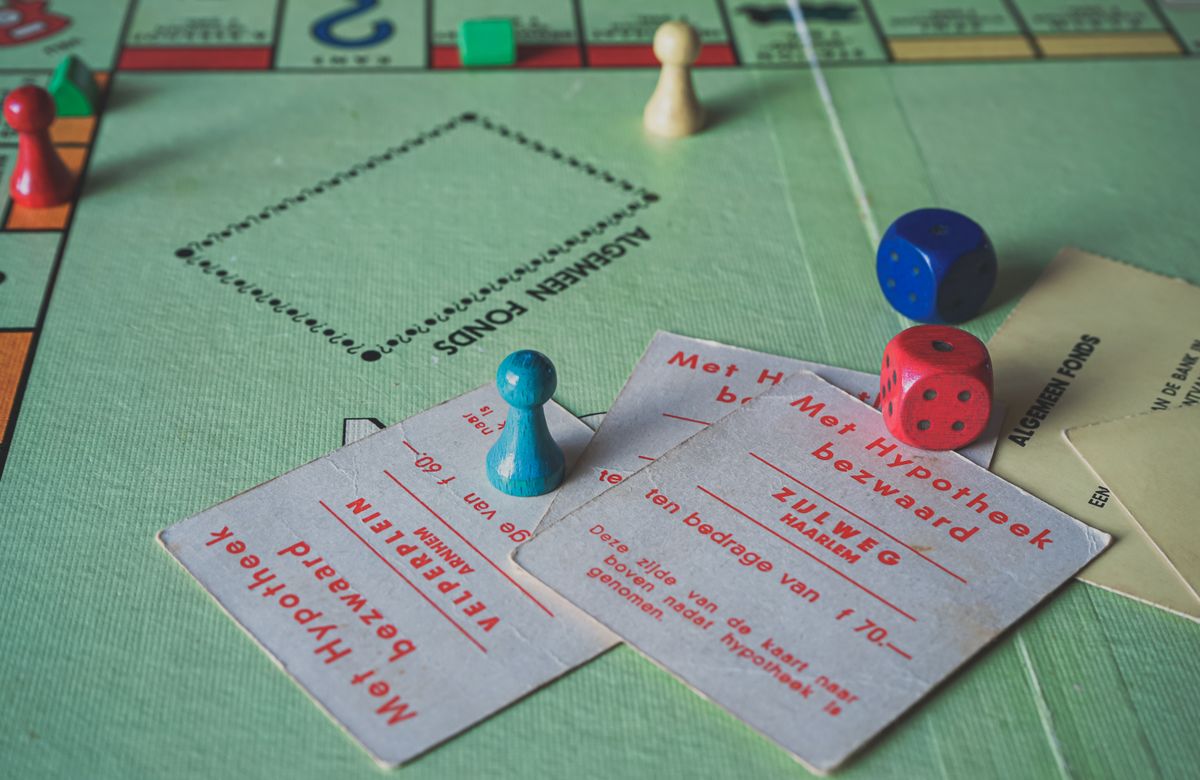
Gather around the kitchen table on a rainy Friday evening in 1981, and you were participating in one of the most fiercely contested, laughter-filled rituals of American domestic life: family board game night. In the center of the table sat a giant yellow bowl of Wise potato chips next to a tub of French onion dip, a pitcher of Kool-Aid, and a colorful, oversized cardboard game box pulled from the top shelf of the hall closet.
Long before glowing smartphone screens, multiplayer video game headsets, and digital isolation kept family members in separate bedrooms, entertainment was intensely social and tactile. Board games were physical arenas of playful negotiation, friendly family rivalries, and the sheer joy of rolling pair after pair of white dice.
From spring-loaded plastic bubbles to miniature lead candlestick weapons, let us open the cardboard lid and revisit the iconic board games that ruled 1970s and 1980s living rooms.
Monopoly: The Ultimate Test of Sibling Diplomacy
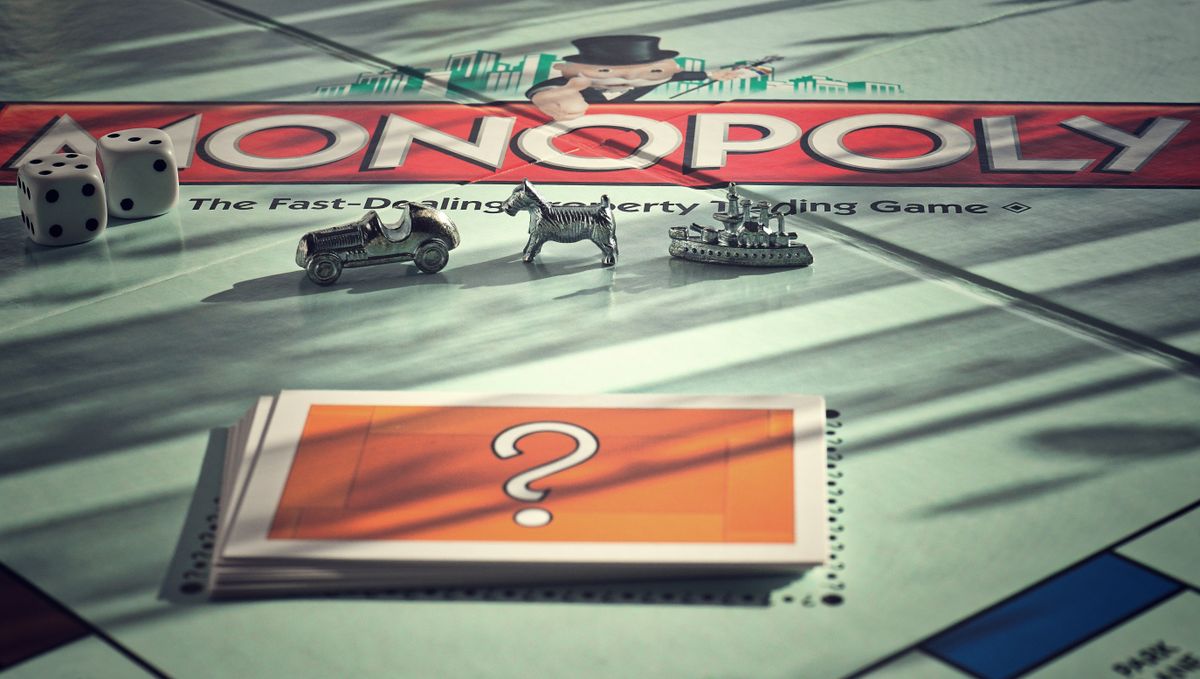
No game provoked more heated negotiations, dramatic bankruptcy declarations, or epic marathon sessions than Parker Brothers’ **Monopoly**.
Armed with paper play money in pastel shades of salmon, green, and gold, players fiercely competed to buy **Boardwalk and Park Place**, building green plastic houses and red hotels. Every household had its own cherished, non-official “house rules”—chief among them placing all tax and penalty money in the center of the board as a massive cash jackpot for anyone lucky enough to land on **Free Parking**.
Games lasted until two o’clock in the morning, often concluding only when an exhausted, bankrupt sibling dramatically flipped the entire cardboard board into the air, sending paper deeds and the metal Scottie dog token flying across the room.
Trouble and the Addictive “Pop-O-Matic” Bubble
Introduced by Kohner Brothers and Milton Bradley, **Trouble** brought pure mechanical genius to the game table with the **Pop-O-Matic**. Sitting at the center of the board was a clear plastic dome housing a metal spring and a single six-sided die.
Pushing down with your thumb produced a loud, immensely satisfying *POP-CHUNK!* sound that bounced the die inside the bubble, guaranteeing that the die would never fly off the table and get lost underneath the sofa.
The thrill of moving your four colored pegs around the circular track and landing directly on an opponent’s peg to send them back to start was the pinnacle of childhood triumph.
The Game of Life: Pink and Blue Peg Families
Milton Bradley’s **The Game of Life** offered children their first thrilling taste of adulthood. Players spun a giant plastic rainbow wheel that clicked as it rotated, navigating a colorful 3D plastic roadway complete with toll bridges, suburban split-level houses, and a mountain peak.
You chose whether to attend college or start a career immediately as an accountant or doctor, earned paper salary checks on “Pay Day,” and filled the little holes in your plastic station wagon with tiny pink and blue pegs representing your spouse and children.
The game concluded at the retirement village—either the luxurious *Millionaire Acres* or the humble *Countryside Acres*—where final fortunes were counted.
Clue and Battleship: The Thrill of Mystery and Deduction
For amateur sleuths, **Clue** turned every player into a master detective wandering the corridors of Tudor Mansion. Players carefully hid their deduction note sheets behind their hands, trying to solve the central mystery: *”Was it Colonel Mustard in the Conservatory with the Wrench, or Professor Plum in the Library with the Candlestick?”*
Meanwhile, across the table in **Battleship**, two players sat on opposite sides of upright blue plastic command consoles, calling out coordinates like *”B-7!”* and waiting with bated breath for the fateful response: *”Hit!”* or *”You sank my battleship!”*
Operation, Connect Four, and Mastermind
Family game nights also tested steady nerves and quick reflexes. Milton Bradley’s **Operation** challenged players to extract tiny plastic body parts—like the *Funny Bone*, *Wish Bone*, and *Butterflies in the Stomach*—using a pair of metal tweezers attached by a wire. If your hand trembled and touched the metal edges, Cavity Sam’s bright red light-bulb nose buzzed loudly with a terrifying sound that made everyone jump.
Then came the quick-fire strategy games: dropping red and yellow plastic checkers into the vertical grid of **Connect Four** with a satisfying click, or decoding hidden colored pegs in **Mastermind**.
The 1984 Trivial Pursuit Craze and Heated Uno Card Battles
In 1984, a massive pop culture phenomenon swept American living rooms: **Trivial Pursuit**. Adults gathered for marathon parties with the Genus Edition, passionately debating obscure geography questions and filling their circular plastic game wheels with six colored pie wedges.
For card game lovers, nothing matched the cutthroat intensity of **Uno**. Slamming down a “Wild Draw 4” or “Reverse” card in the direction of an unsuspecting sibling provoked screams of outrage and laughter, while failing to shout *”UNO!”* with one card remaining resulted in drawing two penalty cards from the center deck.
Scrabble, Yahtzee, and the Shaking of the Dice Cup
For word masters, **Scrabble** brought out the wooden letter tile racks and the green-and-white grid board. Squeezing a high-value “Q” or “Z” onto a Triple Word Score square was cause for celebration, while dubious word plays were instantly checked against the family’s thick hardbound *Merriam-Webster Collegiate Dictionary* on the shelf.
Meanwhile, in **Yahtzee**, the rhythmic clatter of shaking five white dice inside a leatherette cup was music to everyone’s ears, with players holding their breath as they rolled for that elusive fifty-point five-of-a-kind jackpot.
The Enduring Magic of Gathering Face-to-Face
What made 1970s and 1980s game nights so magical was not the plastic pieces or the cardboard boards; it was the undivided human presence. It was parents and children looking across a table, reading each other’s expressions, telling jokes, and creating bonds of love that no digital app can ever duplicate.
What was your absolute favorite board game to play during family game nights, and which game caused the biggest arguments among your siblings?
🎲 Related Childhood Play: Relive classic playtimes in toys that defined American childhoods before smartphones and remember prime-time TV in TV shows every American family gathered around in the 1980s.