Step into your grandmother’s house at half-past twelve on any Sunday afternoon in 1973, and the intoxicating aromas hitting you at the front door told you that Sunday dinner was not merely a meal—it was the emotional anchor of the entire week. The rich, savory aroma of chuck roast braising in a heavy cast-iron Dutch oven with sweet onions and carrots mingled with the buttery fragrance of warm yeast rolls rising in the oven.
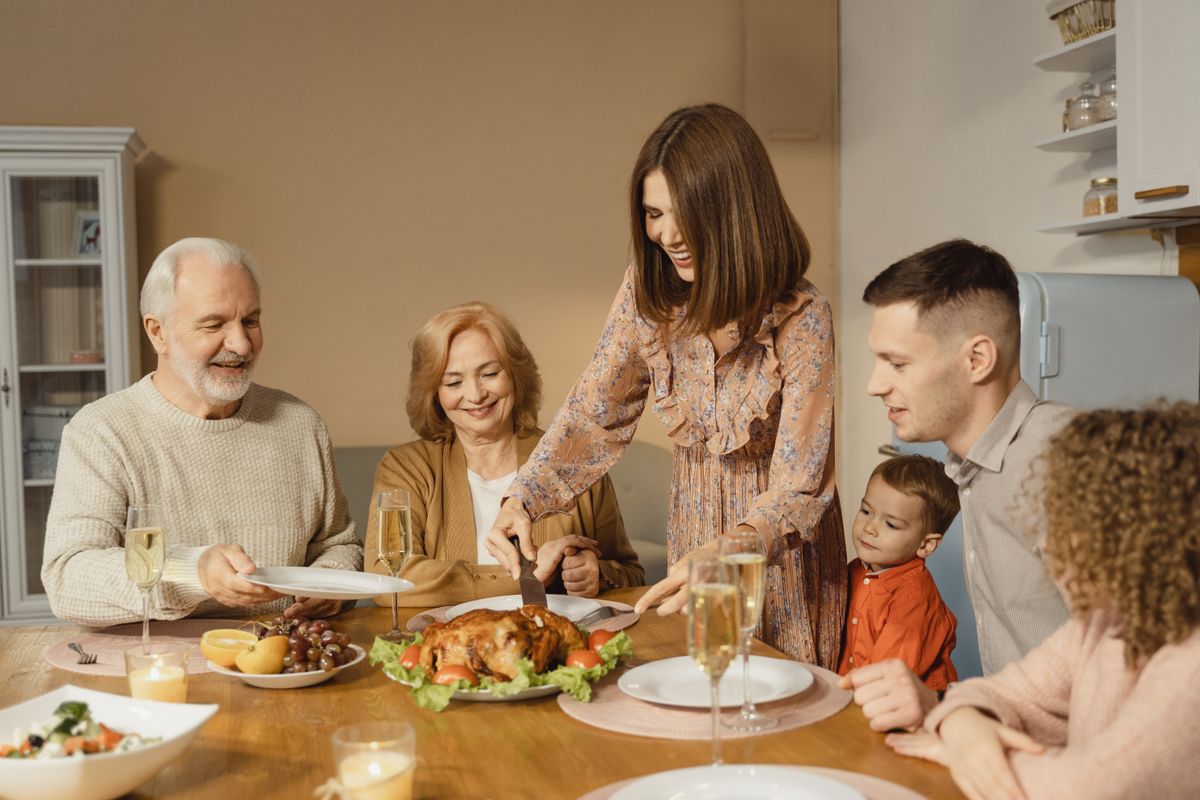
For generations of American families, Sunday dinner held sacred status. Scheduled promptly for one o’clock in the afternoon immediately following morning church services, it brought together three or four generations under a single roof to break bread, pass heavy ceramic serving platters, and reaffirm family bonds.
In our modern era of conflicting youth sports schedules, door-dashed takeout meals eaten on sofa lap trays, and constant smartphone notifications, this grand weekend tradition has become a rarity. Let us pull out the extra table leaves and explore how the classic American Sunday dinner has evolved across the decades.
The 1:00 PM Midday Feast: A Time-Honored Schedule
Historically, Sunday dinner was never an evening supper; it was the monumental midday meal of the week. Preparation began at dawn or even Saturday night, with grandmothers and mothers seasoning meats, peeling ten pounds of russet potatoes, and rolling out homemade pie dough.
Families arrived dressed in their Sunday church clothes—men in dress shirts and ties, women in floral dresses, and children in polished patent leather shoes. Before anyone touched a fork, the entire table joined hands around the perimeter, bowing heads as grandfather recited a heartfelt blessing of thanksgiving.
For the next two hours, the dining room echoed with laughter, lively storytelling, debates about county politics, and updates on distant relatives.
The Menu: Pure American Comfort and Scratch Cooking
The Sunday dinner menu was a masterclass in scratch-cooked comfort food that varied by region but shared the same spirit of abundance.
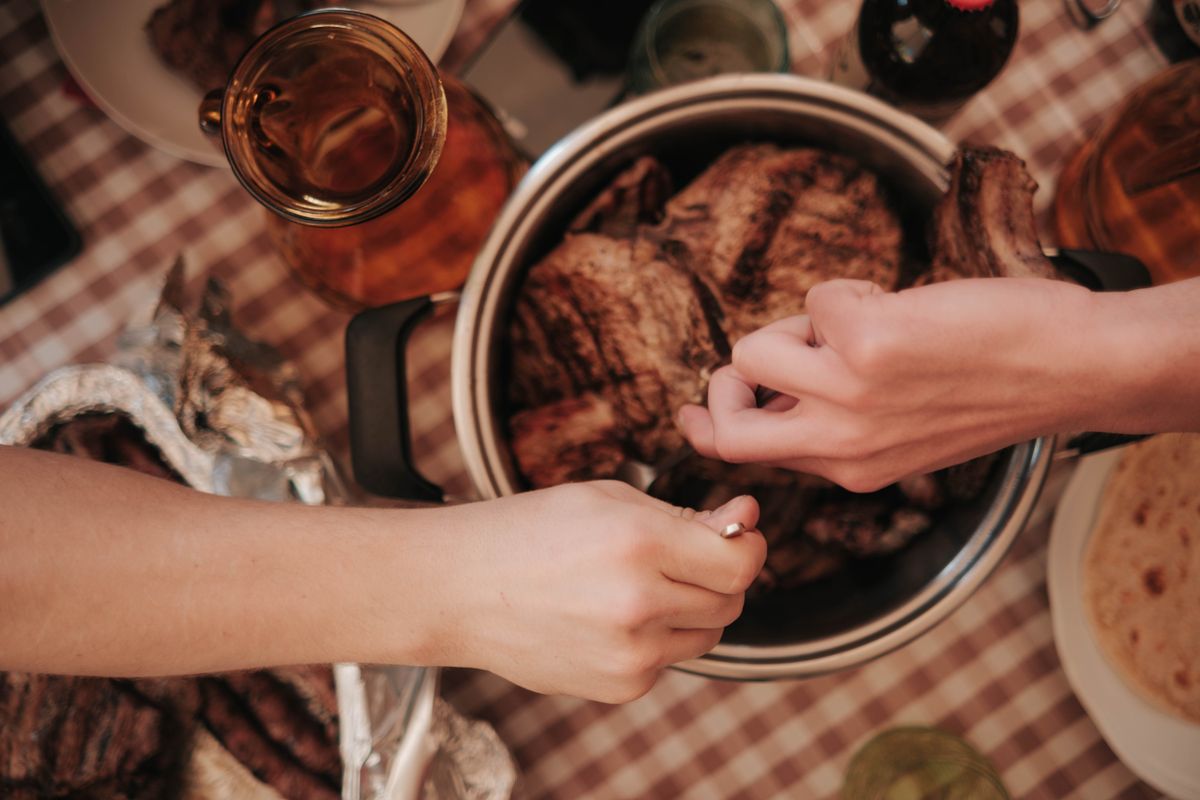
In the Midwest and Northeast, the centerpiece was a fork-tender **pot roast** or glazed baked ham studded with whole cloves and pineapple rings, flanked by mounds of fluffy mashed potatoes with a deep crater of melted butter and rich pan drippings gravy.
In the South, tables groaned under platters of golden buttermilk fried chicken, creamed corn, slow-simmered collard greens with ham hocks, and warm skillet cornbread served with pitchers of sweet iced tea.
Dessert was a grand finale: scratch-made peach cobbler, Dutch apple pie with vanilla ice cream, or homemade strawberry shortcake served on delicate floral dessert plates.
The Kids’ Table and the Good China
When the extended family grew too large for the main dining room table, the younger cousins were lovingly relegated to the **”Kids’ Table”**—a vinyl card table set up in the adjacent hallway or kitchen corner with folding metal chairs.
At the kids’ table, cousins giggled, built mashed potato volcanoes filled with gravy lava, and engaged in stealth napkin fights while yearning for the day they would finally graduate to the adult table.
Meanwhile, the adult table was dressed in grandmother’s pristine white lace tablecloth, sterling silver flatware polished the day before with Wright’s silver cream, and fine porcelain china brought out only for Sundays and holidays.

The Gravy Boat, Cut-Glass Butter Dish, and Jell-O Salads
Passing dishes around the table followed a choreography of domestic etiquette. In the center of the table was a cut-glass covered **butter dish** containing a yellow stick of Land O’Lakes butter, alongside ceramic salt and pepper shakers shaped like roosters or miniature milk jugs that were passed together as a pair without exception.
The heavy ceramic **gravy boat** made multiple rounds across the table, with everyone dousing their meat and biscuits in piping hot gravy. Flanking the main dishes was always an obligatory **Jell-O pretzel salad** or lime green gelatin ring studded with crushed canned pineapple, mini marshmallows, and walnuts, topped with a dollop of Cool Whip.
The Living Room Aftermath: Coffee and the Sunday Paper
After the meal concluded, nobody rushed out the door. The women gathered in the kitchen to wash and dry dishes by hand, chatting over the sound of running water, while the men moved to the living room to drink percolated coffee from small porcelain cups and read the thick Sunday newspaper.
Grandfathers nodded off in easy chairs, cousins played touch football or kick-the-can on the front lawn, and the afternoon dissolved into a relaxed, unhurried rhythm that recharged everyone for the work week ahead.
The Gift of Monday Leftovers: Open-Faced Roast Beef Sandwiches
The beauty of a massive Sunday roast was that it fed the family for the next two days. On Monday evening, leftover slices of cold beef or pork were heated in leftover gravy, ladled generously over slices of Wonder white bread to make open-faced hot roast beef sandwiches, served alongside reheated mashed potatoes and warm green beans.
Nothing went to waste. The roast bones were simmered on the back burner on Tuesday morning to create rich, gelatinous broths for vegetable beef barley soup that filled the house with comforting warmth all week long.
What We Have Lost in the Modern Rush
Today’s busy families often eat in shifts between soccer practices and dance rehearsals, scrolling through social media feeds while eating individually microwaved meals. While modern schedules offer flexibility, they often lack the deep, rooted connection that only a long, shared family meal can provide.
Reviving even a monthly Sunday dinner offers a powerful antidote to modern disconnection—a chance to slow down, look our loved ones in the eyes, and celebrate the enduring gift of family.
What was the signature dish at your family’s Sunday dinner table growing up, and who was the master cook in your household?
🍲 Related Culinary Heritage: Tour the kitchen where memories were made in how the American kitchen has changed since the 1960s and explore classic American diner food that defined an era.