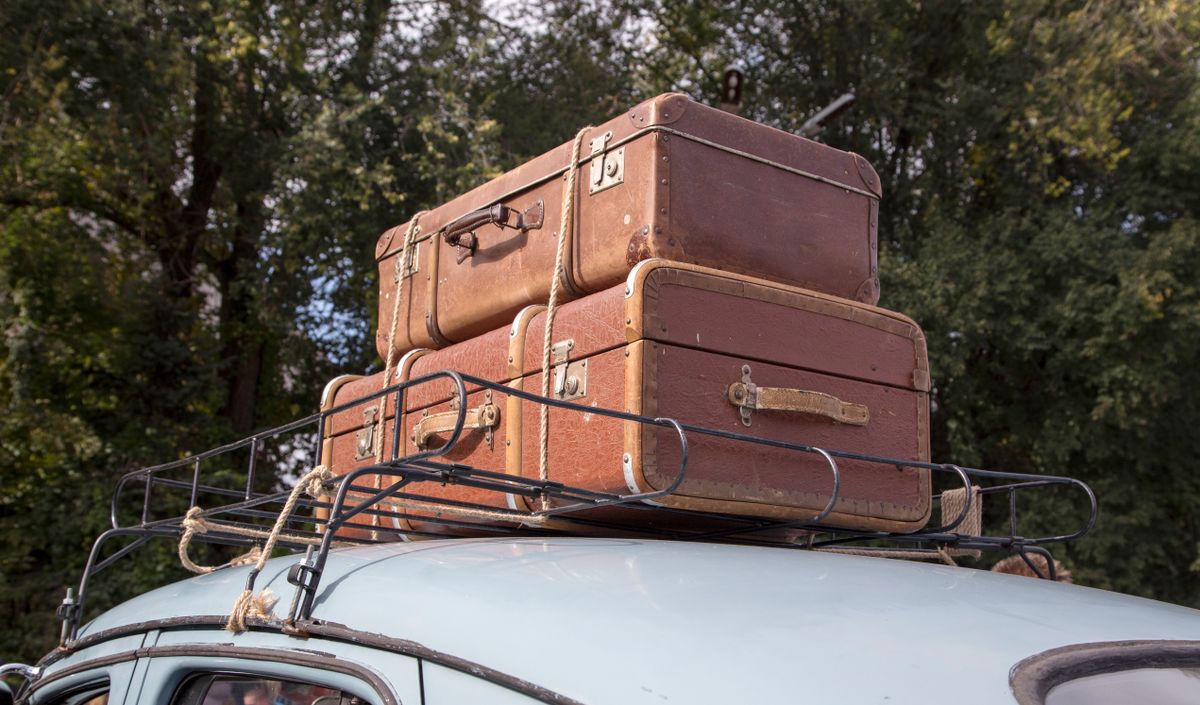
Wake up at five o’clock on a July morning in 1976, and the driveway was alive with quiet, focused activity. Dad was tying down hard-shell Samsonite suitcases to the chrome roof rack of the wood-paneled Ford Country Squire station wagon, while mom packed a green steel Coleman cooler with ice, baloney sandwiches, Capri Sun pouches, and a Tupperware container of homemade potato salad.
For mid-century American households, the annual summer family vacation was an attainable, stress-free rite of passage. A single working-class salary could easily fund a full week-long road trip to the beach, mountains, or national parks without running up crippling debt or taking out loans.
Today, taking a family of four on a modest week-long vacation can easily drain an entire household’s savings account, costing upwards of six to eight thousand dollars. Let us pull out the old receipts and compare what a classic American family vacation cost in the 1970s versus today.
The 1970s Vacation Budget: One Week for Under $350
In 1975, a middle-class family of four embarking on a seven-day, 1,200-mile round-trip road vacation typically operated on a total budget of **$300 to $400**—roughly equivalent to two weeks of standard take-home pay.
Gasoline was approximately **55 cents per gallon**. Even in a heavy V8 station wagon averaging 14 miles per gallon, fuel for the entire 1,200-mile journey cost less than **$50.00 total**.
By contrast, driving or flying today requires an entirely different financial equation. Four domestic airline tickets average **$1,400 to $1,800**, while renting a minivan and paying for fuel adds another **$600 to $800** before you even arrive at your destination.
Lodging: Neon Signs and the $16-a-Night Motor Court
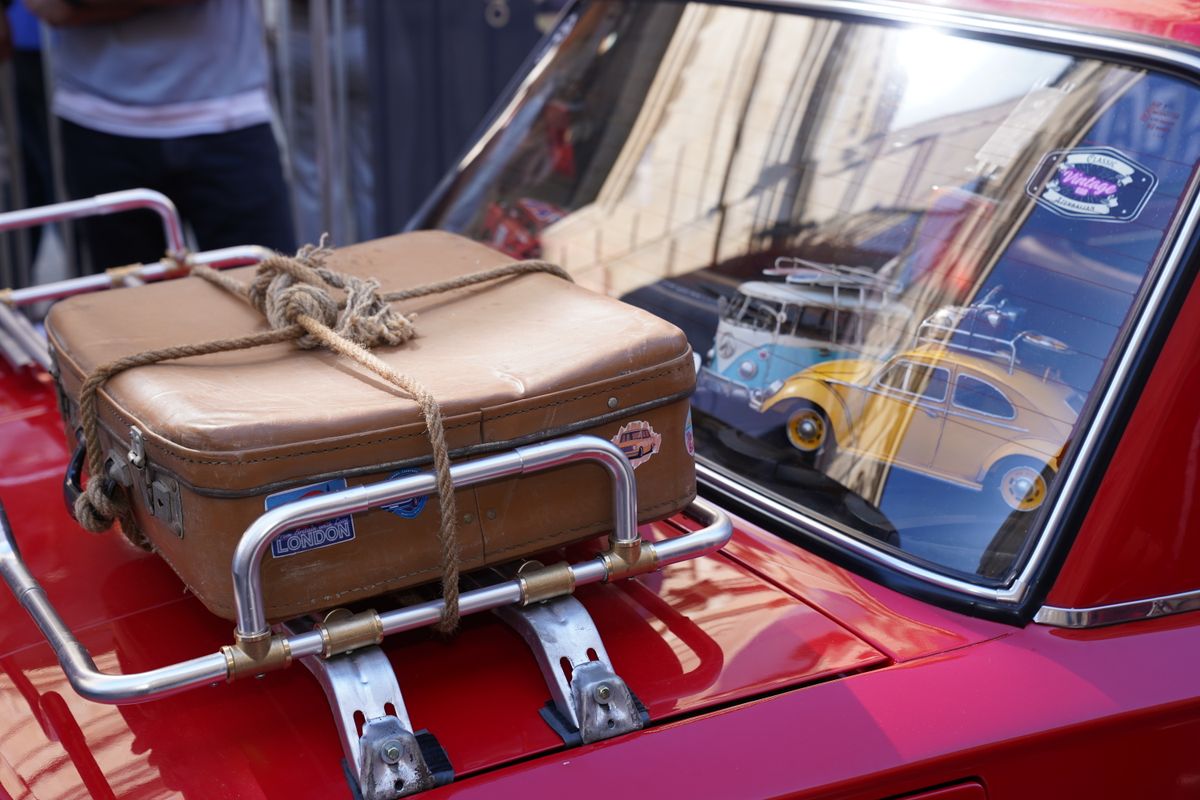
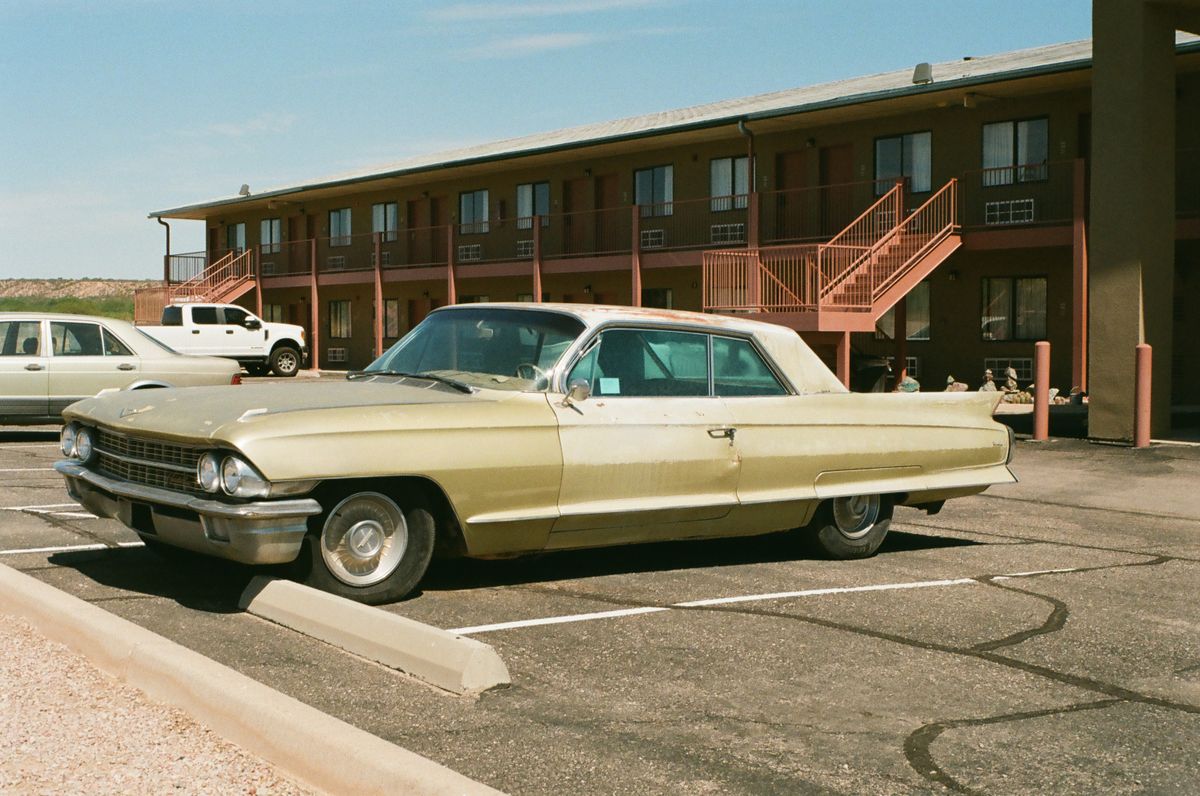
Roadside accommodations in the 1970s were delightfully unpretentious. Independent mom-and-pop motor lodges, **Howard Johnson’s**, and **Holiday Inns** competed with glowing neon roadside signs declaring: *”Free Color TV, Air Conditioning, and Heated Pool.”*
A clean room with two double beds cost between **$14.00 and $18.00 per night**. For an entire seven-night stay, lodging costs totaled around **$115.00**.
Today, standard family hotel rooms in popular vacation corridors routinely charge **$200.00 to $350.00 per night**, accompanied by hidden “resort fees,” parking charges, and local occupancy taxes that push a one-week hotel stay past **$2,000.00 to $2,500.00**.
Roadside Meals: The Magic of the Coleman Cooler
Dining on the road was designed around common-sense thrift. Families rarely ate three meals a day in sit-down restaurants. Breakfast was a box of glazed donuts and juice bought at a local grocery store, while lunches were eaten at highway rest-stop picnic tables from the family cooler.
Evening dinners at roadside diners or family restaurants—like **Shoney’s**, **Big Boy**, or **Ponderosa Steakhouse**—cost about **$12.00 to $16.00 total** for the entire family, including beverages and slices of fruit pie.
Today, feeding a family of four at casual table-service vacation restaurants easily exceeds **$120.00 to $160.00 per day**, totaling over **$1,000.00 for the week** on food alone.
Attractions: Walt Disney World and National Parks
Nowhere is the cost disparity more dramatic than in vacation attractions. When Walt Disney World in Florida opened in 1971, adult general admission was just **$3.50**, and children were **$1.00**. Even in 1975, an adult ticket was **$6.00**, and a coupon book for the biggest rides cost **$5.75**.
National Parks like Yellowstone, the Grand Canyon, and the Great Smoky Mountains charged a nominal **$2.00 to $3.00** per carload for a full week’s entry permit.
Today, single-day adult tickets to major Florida theme parks range from **$140.00 to $185.00 per person per day**, meaning a family of four spends over **$600.00 just to walk through the front gates for a single day**, excluding express line passes and twenty-dollar parking fees.
The AAA TripTik and the Joy of the Unplugged Journey
Beyond the dollars and cents, the spirit of 1970s travel was fundamentally different. Families planned their route using the **AAA TripTik**—a personalized, spiral-bound flip booklet of maps highlighted in yellow marker with handwritten detour notes.
Without smartphones or tablet screens in the back seat, children played the “License Plate Game,” watched passing farms, read comic books, and waited eagerly for the station wagon to pull into the motel parking lot so they could jump into the kidney-shaped swimming pool.
Magic Fingers, Metal Room Keys, and Plastic Ice Buckets
Stepping into a 1970s roadside motel room was a thrill for kids. Attached to the nightstand was a metal coin box for **Magic Fingers**—dropping a quarter into the slot sent soothing, buzzing vibrations through the entire mattress for fifteen blissful minutes after a long day of highway driving.
The motel owner handed dad a heavy, diamond-shaped plastic keychain embossed with the room number and postal return guarantee. Outside each room door sat a communal ice machine where children filled brown plastic ice buckets to chill bottles of soda pop and cans of Schlitz beer.
Postcards, Stuckey’s Pecan Rolls, and Souvenir Pennies
Every vacation required stopping at roadside oasis stops like **Stuckey’s** or **Horne’s** for fresh gas, salt water taffy, and foot-long pecan log rolls. Outside the register stood revolving metal postcard racks where kids picked out ten-cent postcards with scalloped edges to mail to grandparents back home with a three-cent stamp.
Preserving the Essence of Family Travel
While modern luxury resorts offer unprecedented amenities, the golden age of American road trips proved that true vacation joy was never about lavish spending. It was about shared laughter in the station wagon, reading paper maps together, and discovering the wonder of the open highway as a family.
What is your fondest memory of a childhood summer road trip, and where did your family love to go?
🚗 Related Road Trip: Compare past travel costs in gas station prices and road trips: then vs now and explore housing benchmarks in the cost of a new home in the 1970s vs today.