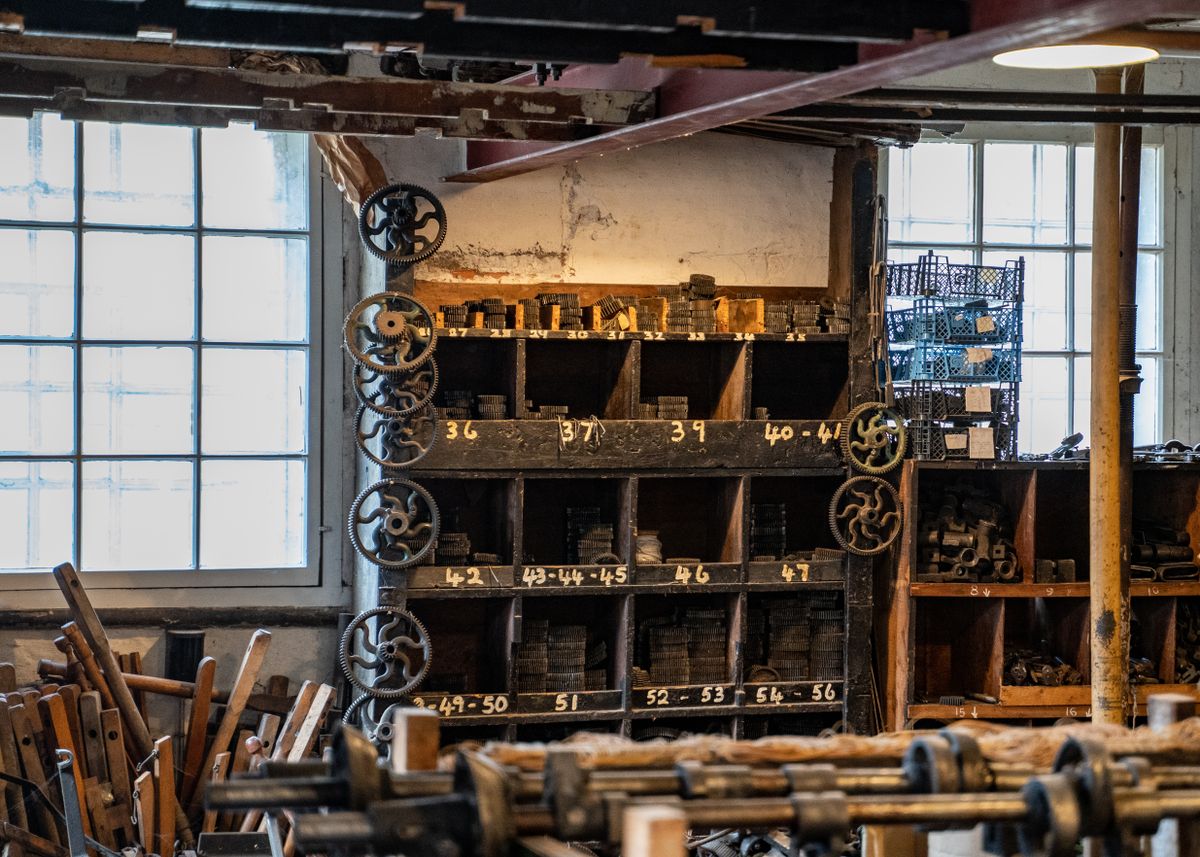
Walk through the creaking front door of an independent small-town hardware store on a Saturday morning in 1975, and your senses were immediately welcomed by a fragrance that no modern big-box warehouse can ever replicate. It was a rich, honest blend of machine oil, coiled sisal rope, galvanized steel nails, damp cedar sawdust sweeping compound, and grass seed.
Before cavernous orange-and-blue home improvement superstores dominated highway interchanges, the neighborhood hardware store was a community workshop and problemsolving sanctuary. It was where homeowners brought in broken plumbing fixtures wrapped in paper towels, knowing that the owner behind the counter possessed four decades of practical mechanical wisdom.
In towns across America, a resilient group of family-owned hardware stores has stood their ground for over a century. Let us step onto the oiled floorboards and celebrate the enduring legacy of the small-town hardware store.
Floor-to-Ceiling Drawers: A Symphony of Brass Pulls
Lining the walls from floor to ten-foot ceiling were towering banks of solid oak drawers, each fitted with a curved brass label holder and tarnished cup pull. Inside were thousands of individual mechanical fasteners: machine screws, cotter pins, lock washers, toggle bolts, and carriage screws organized by diameter and thread count.
You didn’t have to buy a plastic clamshell blister pack of twelve screws when you only needed two. You simply pulled out the wooden drawer, selected the exact five-cent bolt required to fix your lawnmower, and carried it in a tiny brown paper envelope to the counter.
Rolling wooden ladders hooked to steel overhead rails allowed the store clerk to slide effortlessly along the wall to retrieve items from the highest shelves with practiced agility.
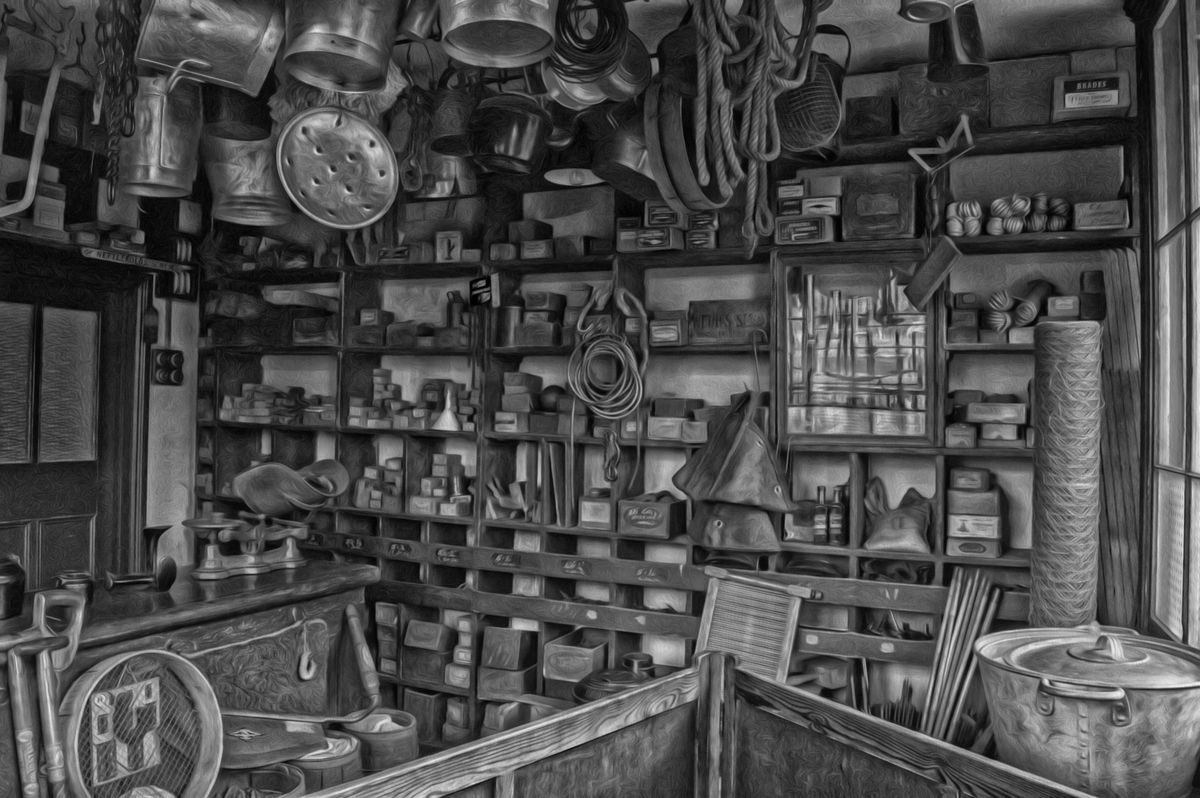
The Master Behind the Counter: Wisdom in a Blue Canvas Apron
Standing behind the worn wooden counter was the store owner, dressed in a blue canvas utility apron with deep front pockets and a carpenter’s pencil tucked behind his ear. He wasn’t a minimum-wage worker reading from a corporate tablet screen; he was a master tradesman who had built his own house and fixed every model of tractor in the county.
You could lay a corroded, mystery copper pipe fitting on the counter and say, *”My bathroom sink is leaking underneath.”*
The owner would inspect it, nod thoughtfully, walk straight to aisle three without looking at an inventory system, and return with a fifteen-cent rubber O-ring and a roll of Teflon tape, telling you: *”Turn the shutoff valve clockwise, replace this washer, wrap the threads twice, and don’t overtighten the nut. That’ll fix you up.”*
The Whir of the Key Machine and Cut-to-Order Rope
Sitting on the front counter was the heavy, cast-iron **key cutting machine**. The clerk clamped your original brass house key into one vice, clamped a blank key in the other, and flipped the electric motor switch.
With a loud, metallic whir and a shower of golden brass sparks, the rotary cutting wheel traced the teeth in thirty seconds. The clerk brushed the fresh key against a wire buffing wheel to remove burrs, handing you a perfect copy for fifty cents.
Nearby hung giant spools of manila rope, plastic braided twine, and galvanized chain. Inlaid directly into the wooden countertop was an antique brass yardstick. The clerk pulled the rope to the exact requested length, sliced it with a razor-sharp utility knife, and melted the nylon end with a butane lighter to prevent fraying.
Window Screen Repairs and Glass Cutting
In the back workshop stood a massive felt-covered cutting table where the store offered custom **window screen repair and glass cutting**. Homeowners dropped off bent aluminum window screens with holes torn by neighborhood dogs, picking them up on Monday with fresh charcoal wire mesh rolled tight with a rubber spline tool.
If you broke a garage window pane with a stray baseball, the clerk pulled a sheet of single-strength glass from a vertical wooden rack, scored it with a diamond-wheel glass cutter with a sharp *screeech*, and snapped the pane cleanly across the table edge with a crisp tap of his knuckles.
The Kerosene Hand Pump and Spring Seed Packet Racks
In the back alley behind the loading dock stood a five-hundred-gallon iron tank of **kerosene**. During winter cold snaps, homeowners lined up with blue five-gallon metal jerrycans to fill their portable space heaters, watching the clerk pump the heavy iron hand-lever while checking the glass sight gauge.
Come springtime, the entrance was framed by revolving wire racks holding hundreds of colorful paper packets of **Burpee and Ferry-Morse garden seeds**—sweet corn, beefsteak tomatoes, Kentucky Wonder green beans, and marigolds—promising a bountiful summer harvest for backyard gardens.
The Free Popcorn Cart and the Saturday Coffee Pot
Walking into many classic hardware stores, customers were greeted by the cheerful aroma of **free theater-style popcorn** popping in a red-and-gold antique cart near the door. Customers scooped warm popcorn into brown paper bags while sipping complimentary black coffee from styrofoam cups, chatting about weather forecasts and garden planting dates with fellow neighbors.
Why the Small-Town Hardware Store Endures
In an age of depersonalized retail and automated customer service, independent hardware stores survive because they provide something corporate algorithms cannot: trust, expertise, and genuine human connection. They are the backbone of small-town resilience and home craftsmanship.
What is the oldest independent hardware store in your town, and what is the best piece of home-repair advice you ever received from the clerk behind the counter?
🔨 Related Hometown Cornerstones: Explore rural commerce in the story behind America’s oldest general stores and walk the downtown blocks in how small-town downtowns have changed over the decades.