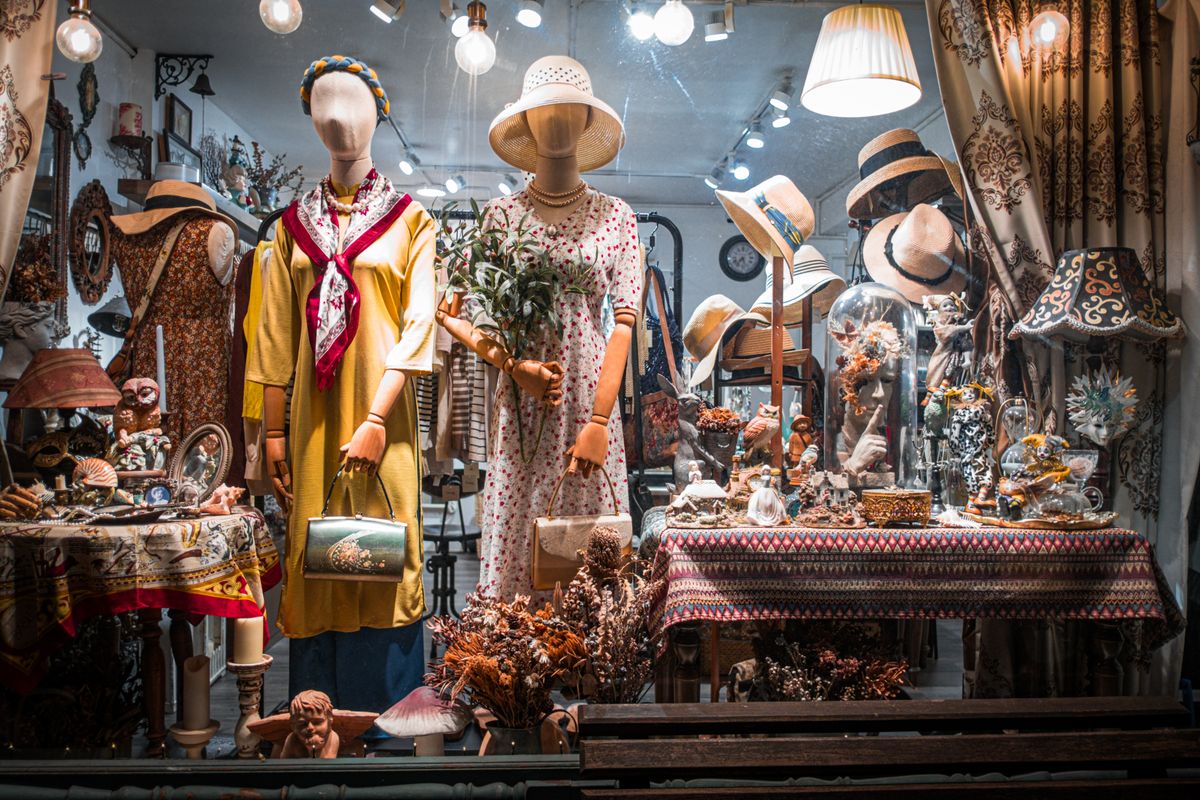
There was an undeniable sense of ceremony when your mother dressed in her Sunday best, took your hand, and stepped through the gleaming brass revolving doors of a grand regional department store in 1972. The air was a heady, sophisticated mixture of expensive French perfumes sprayed from glass atomizers, polished marble floors, and the distant, muffled chiming of elevator bells.
Long before big-box discounters and online warehouses reduced shopping to utilitarian transactions, American department stores were cultural palaces. They were bastions of civility, personal service, white-glove elevator operators, rooftop holiday trains, and elegant dining tea rooms where three generations of women gathered to celebrate birthdays and Easter shopping trips.
Across every region of the United States, proud department store empires held court as the crown jewels of downtowns and suburban shopping malls. Let us take the elevator up and revisit the grand retail dynasties that shaped American elegance.
Marshall Field’s: Chicago’s Cathedral of Style and Frango Mints
For more than a century and a half, **Marshall Field and Company** was the beating heart of Chicago commerce and Midwestern pride. Founded on State Street, Marshall Field pioneered the fundamental motto of modern retail: *”Give the lady what she wants.”*
To walk beneath the towering Tiffany Favrile glass vaulted ceiling was awe-inspiring. Shoppers met friends beneath the monumental Great Bronze Clock at the corner of State and Washington, a landmark that served as the city’s unofficial rendezvous point for generations.
A shopping trip was never complete without dining in the legendary **Walnut Room** under Circassian walnut paneling, enjoying Mrs. Hering’s original 1890 chicken pot pie. And before heading home on the commuter train, everyone stopped at the candy counter for a decorative green box of melt-in-your-mouth **Frango Mint chocolates**.
Wanamaker’s: “Meet Me Under the Eagle” in Philadelphia
In Philadelphia, John Wanamaker built a retail empire that was equal parts grand department store and civic monument. The massive twelve-story granite emporium centered around the breathtaking seven-story **Grand Court**.
Dominating the court was a massive, 2,500-pound bronze eagle sculpture purchased from the 1904 St. Louis World’s Fair. For Philadelphians of all walks of life, *”Meet me under the eagle”* was the universal phrase for finding friends downtown.
Twice daily, the thunderous notes of the **Wanamaker Grand Court Organ**—the largest fully functioning pipe organ in the world with over 28,000 pipes—reverberated through all seven floors of shopping. During the holidays, families packed the Grand Court balconies for the annual Christmas Light Show, marveling as thousands of lights danced to festive carols.
Regional Royalty: Burdines, Rich’s, and Filene’s
Every American region boasted its own beloved department store champion whose name carried fierce local loyalty.
In Florida, **Burdines** reigned as “The Florida Store.” With its pastel coral-pink facades, palm tree motifs, and breezy resort wear, it defined the Sunshine State lifestyle for sunseekers and retirees alike.
In Atlanta, Georgia, **Rich’s** was an essential Southern institution. Families flocked downtown every December to ride **The Pink Pig**, a whimsical monorail pig train that circled the rooftop toy department, and to watch the lighting of the Great Tree atop the glass skybridge crossing Forsyth Street.
In Boston, **Filene’s** drew crowds to its legendary **Filene’s Basement**, where bargain hunters sifted through marked-down designer coats and wedding gowns governed by a famous automatic price-reduction schedule that slashed prices every twelve days.

The White-Glove Elevator Operator and Floor-by-Floor Service
Riding an elevator in a classic department store was theater in itself. Standing beside the manual brass control lever was an attendant dressed in a sharply tailored uniform and white cotton gloves.
As the car glided smoothly between levels, the operator recited the store’s inventory by heart in a crisp, melodic cadence: *”Third floor: Ladies’ better dresses, millinery, bridal salon, and foundations. Going up!”*
Salesclerks stayed with the same department for thirty years. They remembered your mother’s glove size, called regular customers when new shipments of wool blankets or china arrived, and offered complimentary gift wrapping with heavy embossed paper and handmade satin ribbons.
The Ritual of the Department Store Tea Room
Midday lunch was an essential part of the department store expedition. Perched on the upper floors was the store’s white-tablecloth restaurant or tea room, staffed by waitresses in starched white aprons.
Ladies removed their hats and gloves to dine on delicate chicken salad served in hollowed-out pineapple boats, hot popovers with honey butter, finger sandwiches with crusts trimmed away, and towering slices of strawberry shortcake served with freshly brewed tea in silver pots.
Gimbels vs. Macy’s and the In-Store Beauty Salon
In New York and across the Northeast, the fierce rivalry between **Gimbels** and **Macy’s** became legendary, famously popularized in the classic holiday film *Miracle on 34th Street*. Gimbels prided itself on providing top-quality goods at unbeatable working-class prices, with shoppers checking both stores on Herald Square to find the best deal on winter woolens and holiday toys.
Beyond fashion and housewares, full-service department stores like **Lazarus** in Ohio and **Kaufmann’s** in Pittsburgh featured expansive in-store **beauty parlors**. Women sat in rows of chrome-and-vinyl styling chairs beneath giant hemispherical helmet hair dryers, getting their hair washed, set in pin curls, and styled for Saturday evening social dances while reading the latest issues of *Good Housekeeping*.
Why the Gilded Era of Department Stores Slipped Away
Beginning in the 1980s and accelerating through the 1990s, corporate mergers swallowed independent regional stores, replacing historic local names with generic national banners. Changing consumer preferences favored speed and discount pricing over personalized service and architectural grandeur.
Yet for millions of Americans, the memories of riding the escalator toward a rooftop Christmas display, smelling fresh roasted nuts at the candy counter, and meeting family beneath a grand department store clock remain among the fondest milestones of our lives.
What was your hometown department store, and what special tradition did your family share when visiting its doors?
🛍️ Related Chronicle: Relive the golden age of retail in dead shopping malls and what happened to them and explore the grocery store chains that vanished from America.