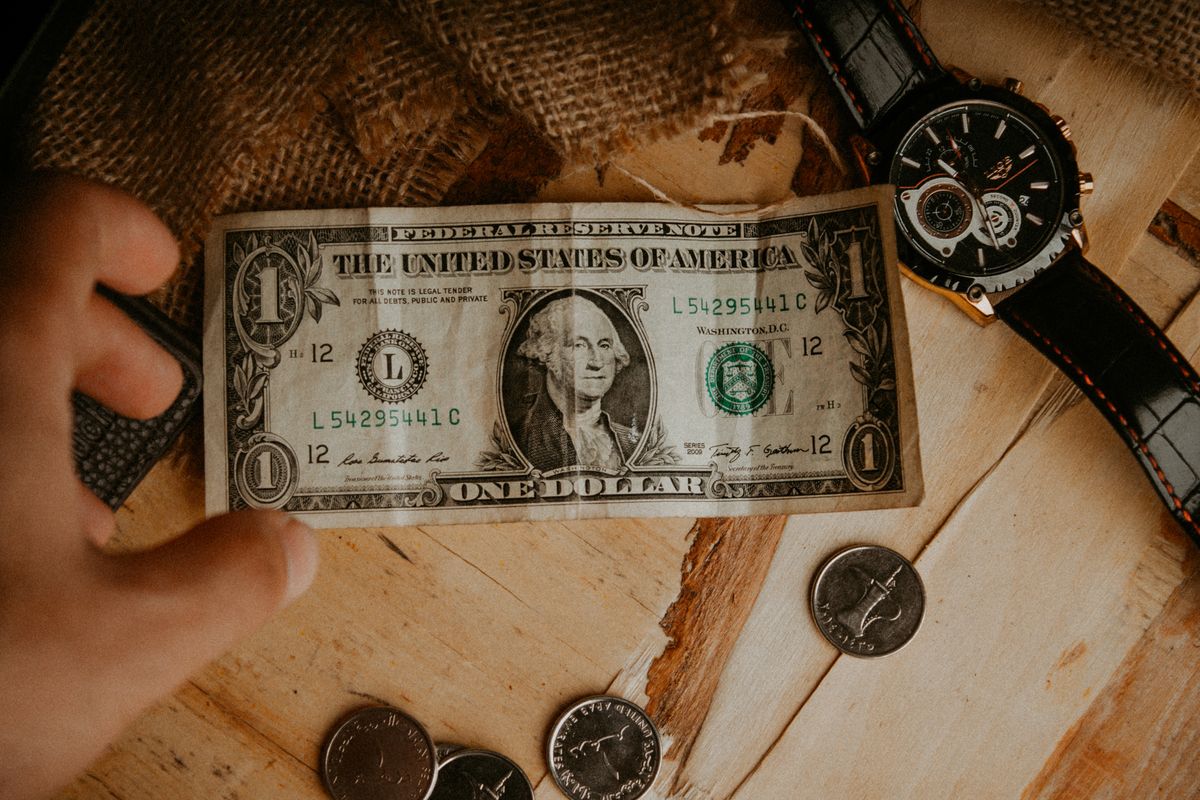
Remember when your grandfather would reach into his trousers pocket, pull out a crisp one-dollar bill with George Washington’s portrait, and hand it to you with a wink before you walked down to the corner store? In 1975, that single green slip of paper wasn’t just pocket change—it was a passport to an entire afternoon of adventure.
With just one dollar in your palm, a kid could walk into a five-and-dime, buy two comic books, a couple of candy bars, and still receive shiny copper pennies in change. For adults, a dollar paid for two gallons of regular gasoline or a hearty lunch at the downtown diner counter.
Fifty years later, finding a dollar bill on the sidewalk barely warrants bending down to pick it up. Let us take a fascinating trip back to 1975 and see just how much muscle a humble American dollar packed compared to our modern wallets.
The Corner Store Feast: Comic Books and Penny Candy
In 1975, heading down to the local pharmacy or corner newsstand with a dollar made you feel wealthy. A brand-new copy of *The Amazing Spider-Man*, *Batman*, or *Archie Comics* cost exactly **25 cents** off the metal spinner rack.
Standard full-size candy bars—like a Hershey’s chocolate bar, a Reese’s Peanut Butter Cup, or a Snickers—were priced at **15 cents** each. Bubble gum packs with collectible baseball cards inside ran about **10 cents**, complete with that brittle stick of powdery pink gum.
If you were strategic with your budget, one single dollar could fetch you three comic books, two candy bars, and a pack of trading cards, leaving you set for a glorious weekend of reading on the front porch.
At the Drive-Thru: A Complete Lunch for One Greenback
Stepping up to a fast food counter in the mid-1970s was an eye-opening exercise in affordability. At McDonald’s in 1975, a standard hamburger cost just **30 cents**, while a cheeseburger was **35 cents**.
A small paper sleeve of hot, beef-tallow-fried french fries was **20 cents**, and a cold Coca-Cola or vanilla milkshake ran about **25 to 30 cents**. That meant a hungry teenager or working parent could purchase a complete, satisfying lunch—burger, fries, and drink—and still pay with a single dollar bill.
Today, that exact same combo meal routinely exceeds nine or ten dollars, showing how our everyday dining math has changed over five decades.
Pumping Gas: Two Gallons for Under a Dollar
Even in the aftermath of the 1973 oil crisis, gasoline prices in 1975 averaged roughly **57 cents per gallon** across the United States. If you pulled into an Exxon, Texaco, or Gulf full-service station with an empty tank and two dollars, the attendant would pump more than three gallons of fuel, wash your windshield, check your engine oil, and check your tire pressure without charging a penny extra for labor.
That single dollar provided enough fuel to cruise around town with your friends all Friday night and drive out to the lake and back on Saturday afternoon.

Pantry Staples and the Weekly Grocery Haul
In 1975, food prices allowed working families to stretch a paycheck across an entire month. A standard one-pound loaf of white sandwich bread cost an average of **36 cents**. A dozen large Grade A eggs ran about **77 cents**, and a half-gallon of whole milk was roughly **79 cents**.
Canned vegetables like Campbell’s tomato soup or Del Monte sweet corn were routinely featured in newspaper coupon inserts at five cans for a dollar. Produce stands sold crisp Washington State apples and Florida oranges at three or four pounds for a single dollar bill.
Communication and Entertainment: A Dime at a Time
Connecting with loved ones in 1975 cost a tiny fraction of today’s high-priced digital monthly subscriptions. Mailing a handwritten letter with a First-Class postage stamp cost **10 cents** (rising to **13 cents** by year’s end). That meant a dollar could buy you ten stamps to write to pen pals or family across the country.
Making a local call from a glass telephone booth on the street required dropping a single silver **dime (10 cents)** into the slot. And if you wanted to see a Saturday matinee at the local downtown cinema, children’s tickets were often exactly **one dollar**.
At the Hardware Store and Five-and-Dime: Household Fixes for Pennies
If you walked into a local Woolworth’s, Ben Franklin, or neighborhood hardware store in 1975, a single dollar went an amazingly long way for everyday household necessities. A spool of heavy cotton thread, a pack of sewing needles, and a card of buttons could all be purchased together for under a dollar.
Do-it-yourself homeowners could pick up a box of standard drywall nails or wood screws for **35 cents**, a roll of electrical tape for **29 cents**, and a bottle of Elmer’s glue for **39 cents**. In an era when Americans took pride in repairing things themselves instead of throwing them away, a five-dollar bill in your wallet was enough to complete an entire weekend of home maintenance projects.
Understanding the Shift: Inflation and Real Value
According to the U.S. Bureau of Labor Statistics, one dollar in 1975 had the cumulative purchasing power equivalent to approximately **$5.80 to $6.00** today due to overall inflation. However, when we look at specific essential sectors like healthcare, college tuition, automotive repairs, and housing, the real cost of living has outpaced general inflation by several hundred percent.
The true difference wasn’t just numbers on a price tag—it was the feeling of financial breathing room that a dollar represented to everyday Americans working hard to support their families.
What is the best deal you personally remember buying for just a single dollar back in the 1970s or 1980s?
💵 Related Analysis: Compare the complete picture of past living costs in the cost of a new home in the 1970s vs today and grocery prices then and now: a decade-by-decade look.