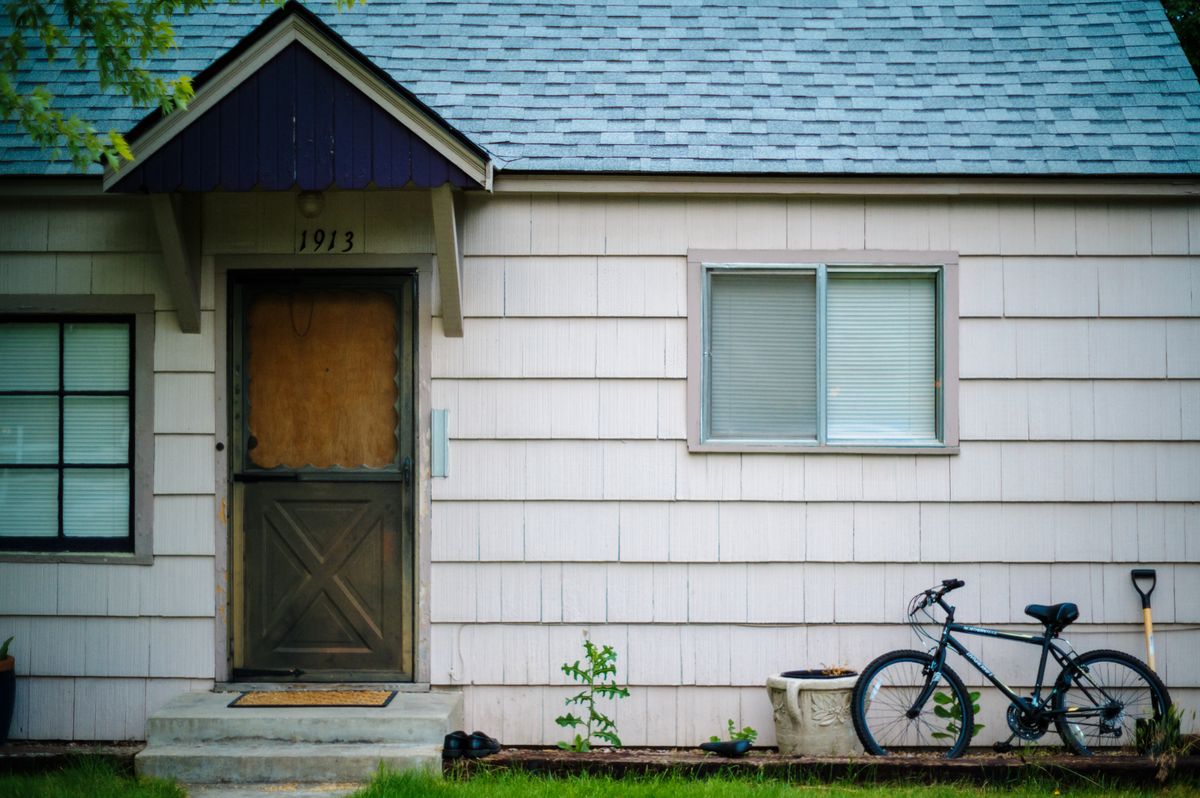
There was a time when driving through a freshly paved suburban cul-de-sac in the spring of 1973 felt like looking at pure opportunity. Hand-painted wooden signs near the subdivision entrance proudly announced brand-new three-bedroom split-level and ranch homes ready for move-in, complete with a paved driveway, attached garage, and a lush quarter-acre grassy yard.
Most remarkable of all was the price tag. In the 1970s, owning a home wasn’t an elusive luxury reserved for high earners or dual-income corporate professionals. It was the realistic, attainable cornerstone of the American working class.
Today, young couples look at skyrocketing real estate listings with disbelief. Let us look closely at the numbers, the lifestyle, and the architectural realities of buying a home in the 1970s compared to today’s housing market.
The Numbers: When a House Cost Three Times Your Annual Salary
In 1970, the median sales price of a brand-new single-family home in the United States was approximately **$23,400**. By 1975, amid rising inflation, that median price rose to around **$39,300**.
During the same period, the median American family income hovered around **$9,800 to $12,600** per year. That meant a new home cost roughly **2.5 to 3.2 times** a family’s annual earnings.
Fast forward to the mid-2020s: the national median home sales price has soared past **$420,000**, while the median household income is approximately **$75,000**. Today, a typical home commands more than **5.6 times** annual household income—and in many metropolitan areas, that ratio exceeds seven or eight times earnings.
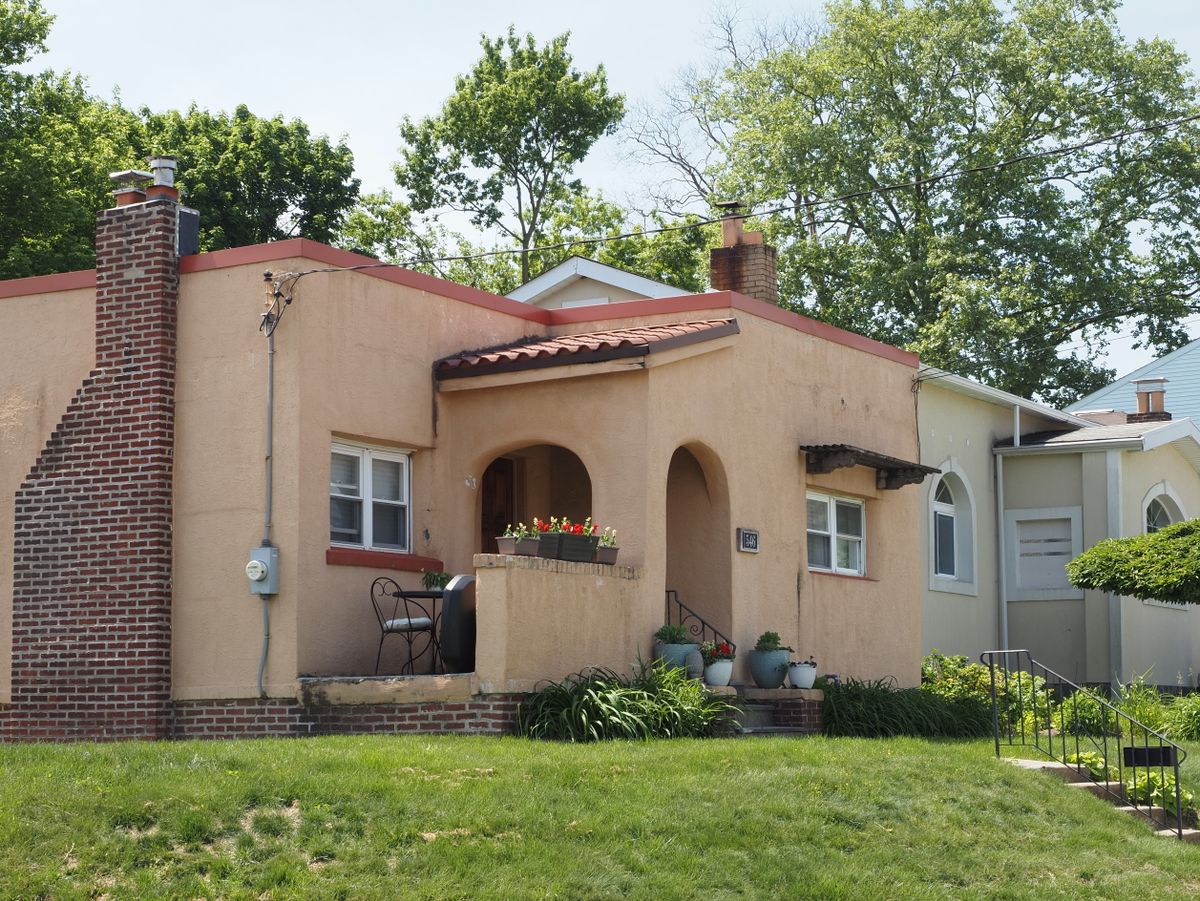
The Single-Earner Reality: One Paycheck Supported the Household
Perhaps the most profound difference between then and now lies in who paid the mortgage. In the 1970s, a single breadwinner—working as a machinist, postal worker, public school teacher, or auto assembly technician—could comfortably qualify for a 30-year mortgage on a newly built suburban home.
That single salary covered the monthly mortgage payment (often around **$160 to $220 per month**), property taxes, homeowner’s insurance, a family station wagon in the driveway, and groceries for three growing children. There was enough left over for annual summer road trips to the beach or national parks.
Today, purchasing a comparable home almost universally requires two full-time professional incomes, significant savings assistance from family, or decades of aggressive budgeting.
What You Actually Bought: The Anatomy of a 1970s Ranch Home
Homes built in the 1970s were designed for practical family living rather than ostentatious display. The average new home measured approximately **1,500 square feet**, featuring three modest bedrooms and 1.5 or 2 bathrooms.
Inside, the design reflected the vibrant aesthetics of the decade: shag carpeting in shades of burnt orange or avocado green, real wood-paneled walls in the family room, acoustic “popcorn” ceilings, and sturdy formica countertops in the kitchen. In the basement, many dads built custom wood bars where neighbors gathered on Friday nights to watch football or play poker.
Critically, 1970s homes sat on generous lots. Children had expansive front and back yards to play touch football, climb mature shade trees, ride bicycles, and plant vegetable gardens alongside wooden fences.
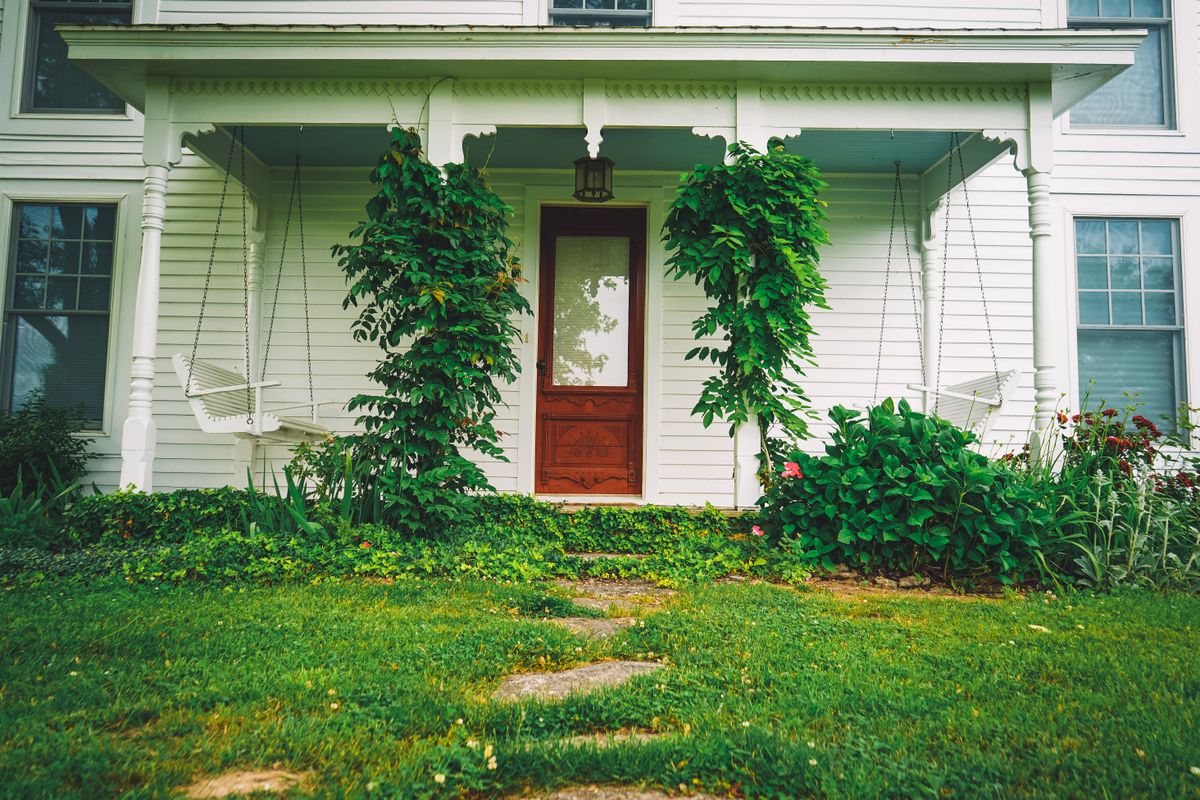
The Interest Rate Puzzle: High Percentages vs Small Loan Amounts
When reminiscing about 1970s mortgages, people often point out that interest rates were significantly higher than recent historical lows. Rates ranged from **7.5% in 1971** to well over **12% by the end of the decade** during peak stagflation.
However, the total principal borrowed was so comparatively small that the monthly dollar payment remained manageable. A 10% interest rate on a $30,000 mortgage meant paying roughly $260 in monthly principal and interest.
Homeowners who received annual wage raises or year-end bonuses could frequently make extra principal payments, paying off their entire 30-year mortgage in fifteen or twenty years and celebrating by burning their paper mortgage documents at neighborhood backyard barbecues.
Homeowners Associations, Property Taxes, and Hidden Modern Costs
Beyond the sticker price of the house itself, the surrounding financial landscape of homeownership has transformed. In the 1970s, mandatory Homeowners Associations (HOAs) were rare outside of exclusive planned retirement communities.
Homeowners had the freedom to park their boat or camper in the driveway, paint their front door any color they chose, or build a wooden doghouse in the yard without receiving monthly violation fines from a neighborhood board.
Today, high monthly HOA fees, astronomical property insurance premiums in coastal and fire-prone regions, and elevated municipal taxes add hundreds or thousands of dollars in fixed monthly overhead to already stretched household budgets.
The Local Savings & Loan: Borrowing from People You Knew
Securing a mortgage in the 1970s was a deeply personal, local affair handled by your hometown Savings & Loan or community bank. You didn’t submit documents to an anonymous online algorithm; you walked into a brick building downtown, sat across from a loan officer named Bob or Susan who belonged to the local Rotary Club, and shook hands.
The entire paperwork package consisted of a few typed pages rather than today’s hundred-page legal packets. Because the bank planned to hold your loan on its own books for thirty years, approvals were based on steady employment history, local reputation, and consistent savings habits rather than volatile credit scoring formulas.
The Enduring Meaning of Home
Looking back at the housing landscape of the 1970s reminds us of an era when stable, pride-filled homeownership was woven directly into the fabric of everyday American employment. Houses were bought not as speculative investment vehicles to be flipped for rapid profit, but as lifelong family sanctuaries where children grew up and roots ran deep.
Do you remember what your first house or childhood home cost, and what is your favorite memory of that neighborhood?
🏡 Related Story: Step inside the homes of that era with the 1970s home decor trends Americans loved and see how the American kitchen has changed since the 1960s.