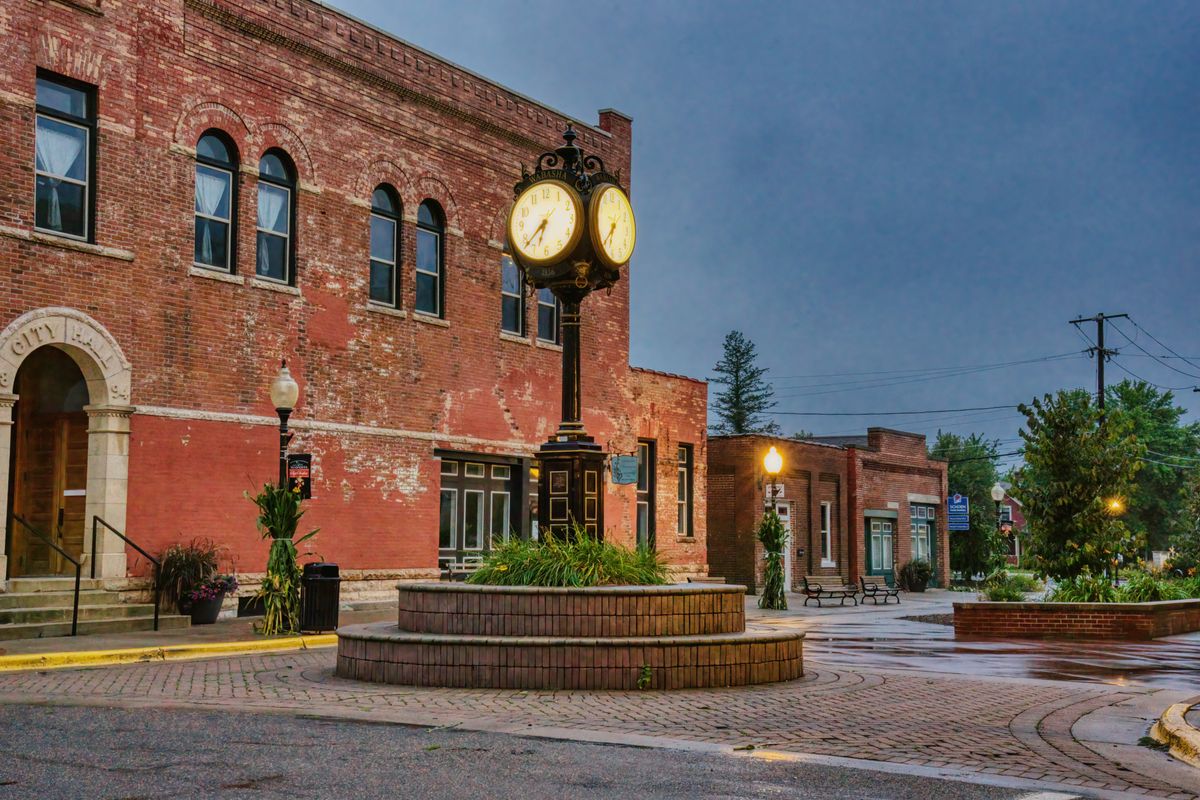
Pull your car into an angled parking space in front of the town square on a bright Saturday morning in 1968, and the entire two-block corridor of Main Street was humming with purposeful civic life. You dropped a copper penny into the cast-iron parking meter, turned the metal handle clockwise with a heavy mechanical *CLACK*, and stepped onto the wide concrete sidewalk past colorful canvas awnings shading display windows.
For more than a century, **Main Street** was the undisputed economic engine, social stage, and cultural heart of small-town America. Within a three-block walking radius sat everything a household needed for daily living: the bank with its digital time-and-temperature sign, the five-and-dime variety store, the family shoe repair shop, the barber with his spinning red-and-white pole, and the corner soda fountain.
Over the decades, Main Street weathered dramatic economic cycles—from the mid-century golden age to the suburban mall exodus of the 1980s, and into today’s vibrant historic preservation renaissance. Let us stroll down the sidewalk and examine the remarkable evolution of Main Street USA.
The Self-Sustaining Ecosystem of the 1960s Downtown
Mid-century Main Streets were marvels of self-contained commerce where business owners lived upstairs above their shops or three blocks away on residential side streets.
At the **Ben Franklin** or **F.W. Woolworth** five-and-dime, children bought balsa wood gliders and yo-yos while mothers purchased sewing patterns and buttons. At **Western Auto**, fathers admired riding lawnmowers and bicycles lined up along the sidewalk.
The local bank featured towering Corinthian stone columns and brass teller cages, while the local **Rexall Pharmacy** served as the town’s informal meeting hall where town council members drank ten-cent coffee at the counter.
Saturday Night “Cruising” the Strip
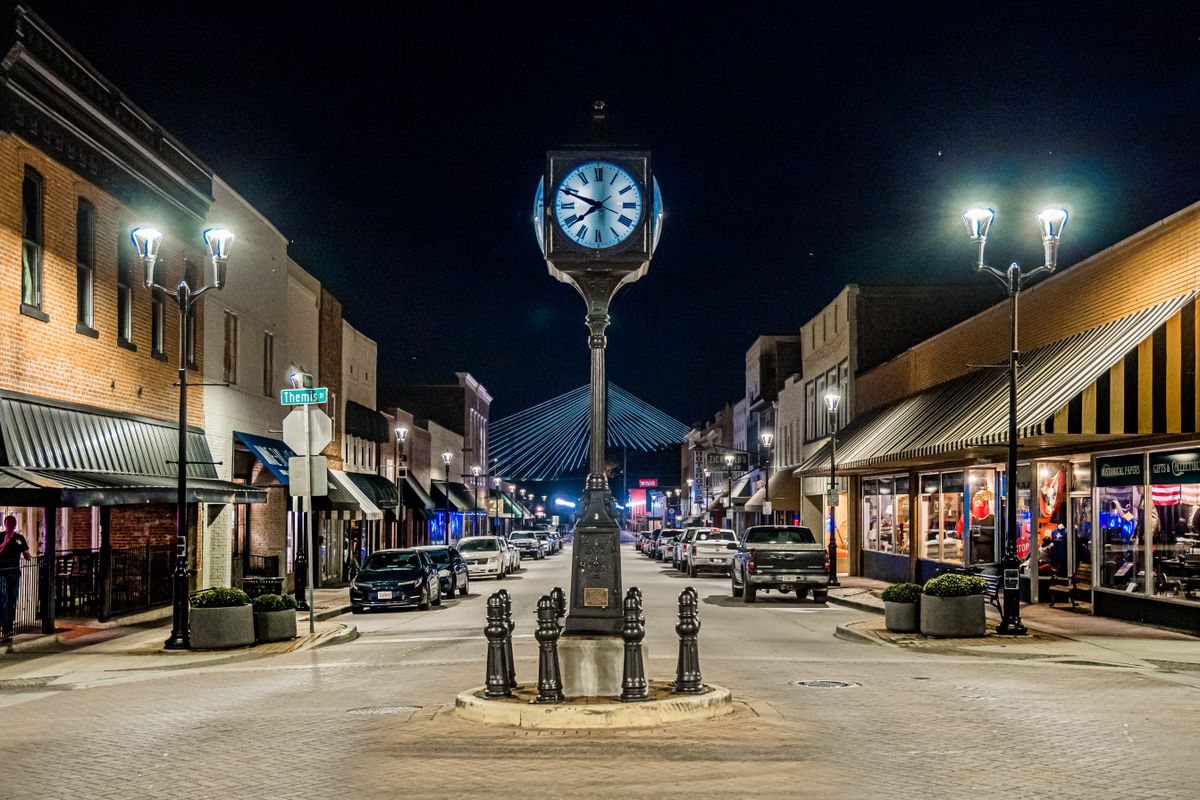
When the retail shops locked their doors at six o’clock on Saturday evening, Main Street transformed into the premier teenage social runway: **cruising the strip**.
Teenagers in freshly washed Chevrolet Impalas, Pontiac GTOs, and Ford Mustangs cruised bumper-to-bumper at ten miles per hour from the municipal water tower down to the drive-in diner at the far end of the county road, making a slow U-turn and driving back.
Windows were rolled down, AM radios blared rock-and-roll from WLS Chicago or WABC New York, and drivers yelled greetings across traffic lanes, arranging weekend parties and bonfires.
The Three-Chair Barber Shop and the Post Office Hub
Two essential anchors of daily Main Street life were the local **barber shop** and the **United States Post Office**.
Inside the three-chair barber shop with its spinning striped barber pole outside, men sat in heavy hydraulic Belmont chairs covered with tissue neck strips. The barber whipped warm lather from a stainless steel Campbell shaving cream machine, stropped his straight razor on a hanging leather strap, and cleaned the back of your neck with a crisp scrape followed by a dusting of Clubman Pinaud talcum powder.
Down the block at the WPA-era stone post office, residents retrieved morning mail from brass P.O. boxes opened with three-digit mechanical combination dials. Marble writing counters featured glass inkwells and chained ballpoint pens, where townsfolk greeted neighbors while buying three-cent postage stamps from clerks behind bronze barred windows.
The Cobbler and the Tailor: The Lost Crafts of Main Street
Main Street was also home to master craftsmen who repaired rather than discarded everyday goods. At the **downtown shoe repair shop**, the air smelled of thick harness leather, rubber cement, and black shoe polish.
The cobbler used an iron shoe anvil and heavy Landis stitching machines to resole work boots and replace worn high-heel taps for a couple of dollars, ensuring leather shoes lasted for a decade of hard walking.
The 1980s Mall Exodus and the Quiet Years
Beginning in the late 1970s and accelerating through the 1980s and 1990s, the construction of interstate highway bypasses and enclosed suburban shopping malls drained retail foot traffic away from downtown cores.
Historic department stores and family grocers relocated to highway strip centers, leaving behind empty storefronts covered in brown butcher paper and silent sidewalks. For two decades, many American downtowns struggled to redefine their identity in an era dominated by corporate supercenters.
The 21st-Century Main Street Renaissance
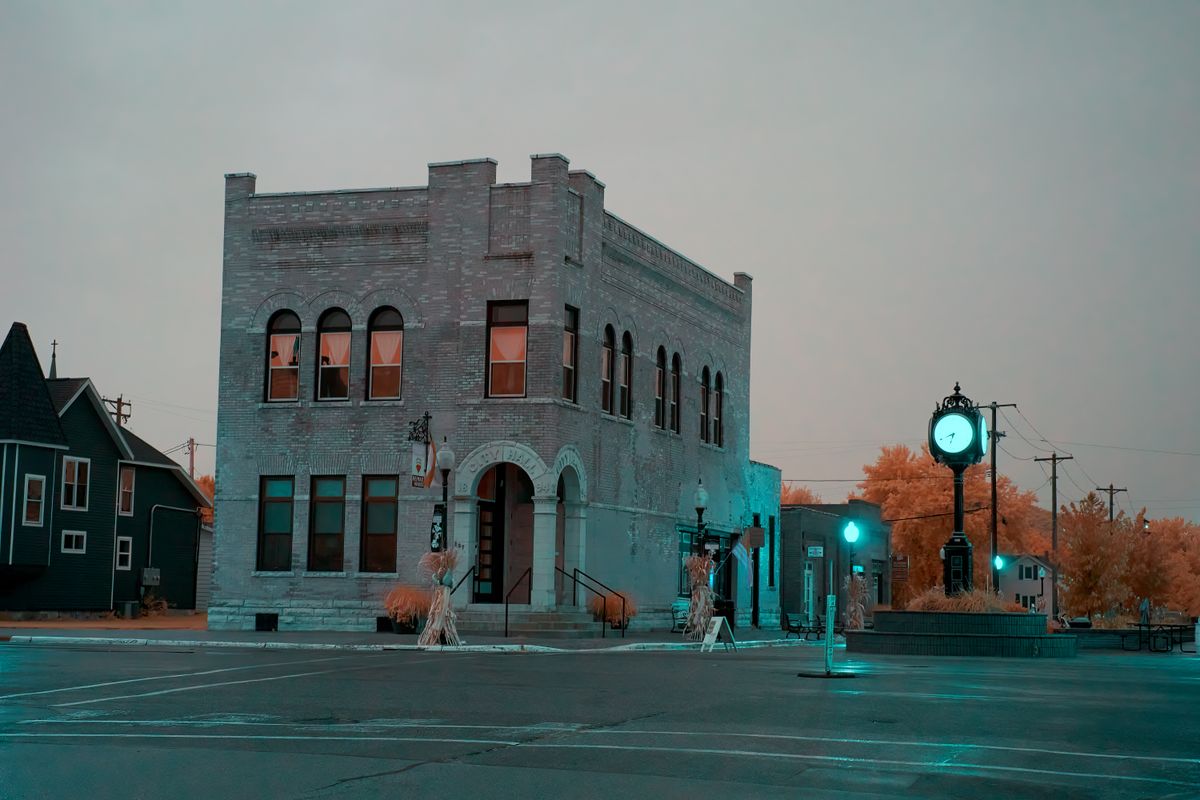
Over the past twenty years, an extraordinary grassroots revival has swept through small-town America. Powered by the National Trust for Historic Preservation’s **Main Street Program**, communities have lovingly restored their historic architectural heritage.
Layers of 1970s metal siding have been removed to reveal original 19th-century red brickwork, decorative cast-iron pilasters, and ornate pressed-tin ceilings. Today, these historic buildings house independent specialty coffee roasters, farm-to-table bistros, artisan bakeries, antique galleries, and craft microbreweries.
Main Streets have become pedestrian-friendly community living rooms once again, hosting weekly farmers markets, summer art walks, and Fourth of July street festivals.
The Bank Sign, Town Clock, and Christmas Lighting
Perched high above the corner of Main and Elm Street was the revolving **First National Bank sign**, which clicked alternately every five seconds between the current time and temperature. It was the civic clock that kept the entire town running on time.
Every December, Main Street transformed into a winter fairy tale. Store owners painted snowy Christmas scenes on display windows, and the municipal utility department strung multi-colored incandescent bulb garlands across streetlamp poles from one side of Main Street to the other. The entire town gathered around the courthouse square gazebo on the first Friday of December for the annual lighting of the sixty-foot community evergreen tree, singing carols with the high school choir as snow began to fall.
The Indestructible Spirit of Community Pride
While the types of businesses lining Main Street have evolved from dry goods merchants to boutique cafes, the fundamental purpose of downtown remains unchanged: providing a physical place where neighbors gather, look each other in the eye, and celebrate shared civic belonging.
What businesses from your childhood Main Street do you still remember most fondly, and how has your hometown downtown changed today?
🏛️ Related Downtown Heritage: Step inside town workshops in small-town hardware stores that have stood the test of time and explore the story behind America’s oldest general stores.