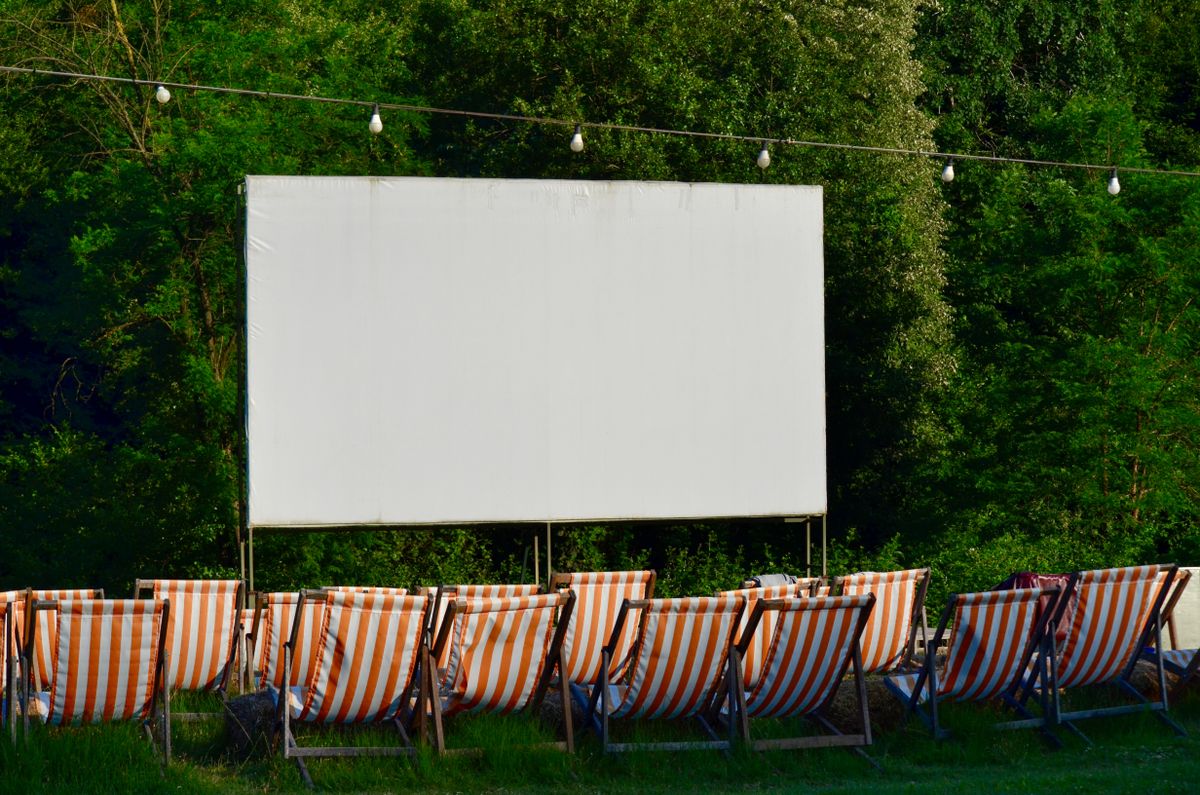
Turn your car’s headlights off as dusk settles over a grassy field on a Friday evening, and you witness a sight that has captivated American families for nearly a century: a colossal white screen rising against the purple sunset, flanked by rows of vehicles backed into elevated gravel viewing mounds. You tune your car stereo to 88.5 FM, unfold lawn chairs in the bed of your pickup truck, and hear the warm sound of a classic snack bar chime announcing that showtime is five minutes away.
During the late 1950s peak of outdoor cinema, more than 4,000 drive-in movie theaters illuminated rural pastures and suburban outskirts across the United States. While rising land values and multiplex competition forced thousands of venues to close over the ensuing decades, roughly **300 resilient drive-in theaters** continue to operate today.
These surviving cultural sanctuaries are not mere historical relics; they are thriving, fiercely loved community landmarks where new generations discover the unmatched joy of outdoor movies under the summer stars. Let us tour the most famous surviving drive-ins keeping the flame alive.
Shankweiler’s Drive-In: America’s Oldest Operating Icon
Located in Orefield, Pennsylvania, **Shankweiler’s Drive-In** holds the undisputed crown as the oldest continuously operating drive-in movie theater in the United States. Founded by Wilson Shankweiler, it opened its gates on **April 15, 1934**—just one year after the very first drive-in patent was issued in Camden, New Jersey.
Shankweiler’s survived the Great Depression, Hurricane Diane in 1955, and the digital projection revolution of the 2010s. In 1986, it pioneered modern drive-in sound by becoming the very first outdoor theater to broadcast movie audio through micro-power FM radio signals rather than wired pole speakers.
Today, ninth-generation family members and loyal patrons still pack the lot for double features, enjoying hot funnel cake fries and Pennsylvania Dutch birch beer.
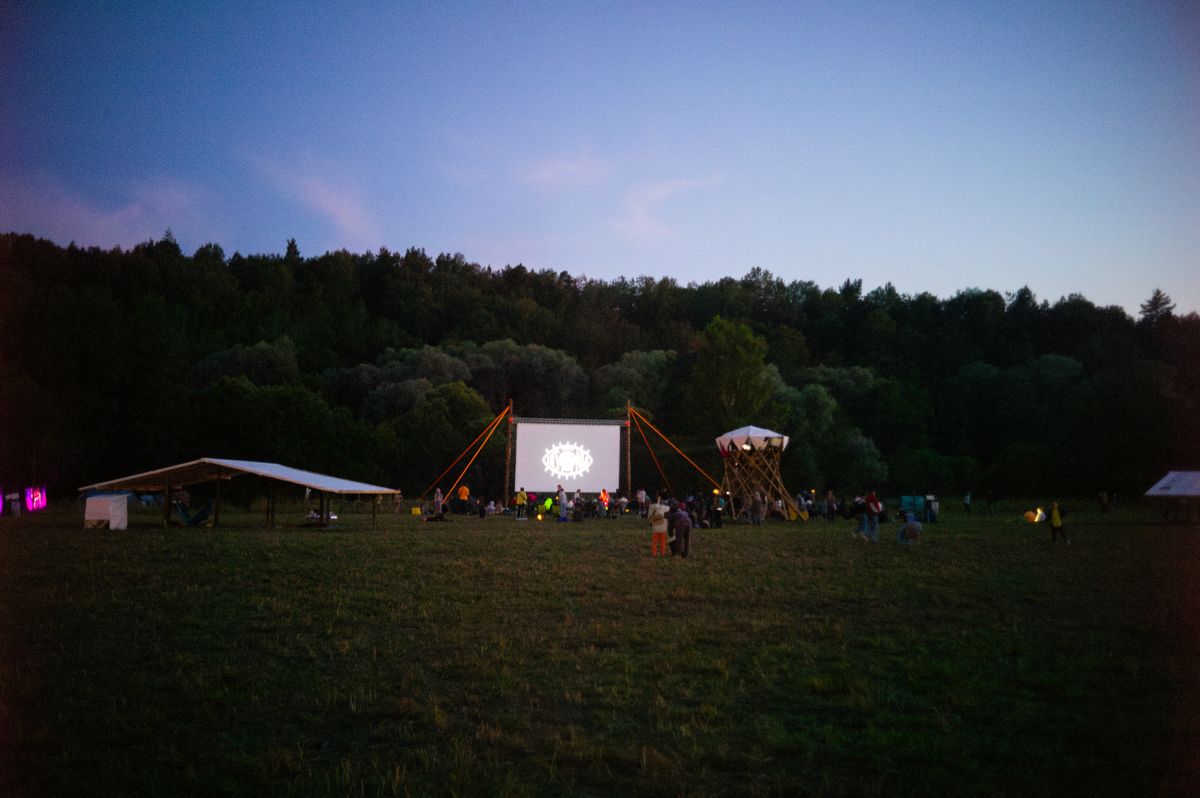
Bengies Drive-In: Home of the Biggest Screen in America
Just outside Baltimore in Middle River, Maryland, **Bengies Drive-In Theatre** has been entertaining movie lovers since 1956. Bengies is world-famous for boasting the **largest movie theater screen in the United States**, measuring an astonishing **52 feet high by 120 feet wide**.
Owner D. Edward Vogel maintains strict traditional standards to preserve the magic: car headlights must remain completely off, laser pointers are strictly banned, and every show begins with the playing of the Star-Spangled Banner followed by vintage animated snack bar intermission countdowns.
The snack bar is legendary, offering over fifty scratch-made menu items, including hot roast beef sandwiches, egg rolls, and cinnamon donuts.
Hull’s Drive-In: The Community-Owned Miracle in Virginia
Nestled in the Shenandoah Valley of Lexington, Virginia, **Hull’s Drive-In** represents one of the most heartwarming preservation stories in American cinema history. When the historic 1950 venue faced permanent closure in 1999, local residents refused to let their beloved landmark die.
A grassroots non-profit group called **”Hull’s Angels”** mobilized, raising thousands of dollars through bake sales, car washes, and community donations to purchase and reopen the theater. Today, Hull’s operates as the nation’s first non-profit, community-owned drive-in, staffed largely by volunteers who ensure affordable family movie nights for the entire region.

The 66 Drive-In: Mother Road Magic in Missouri
Along historic Route 66 in Carthage, Missouri, the **66 Drive-In** is a stunning mid-century time capsule. Operating since 1949, it features an iconic Art Deco neon marquee, a curved steel screen tower, and a bustling playground where children swing and slide beneath the screen until the projector turns on at dusk.
Motorists traveling the Mother Road from around the globe make special overnight stops in Carthage specifically to park their classic cars and vintage trailers on the grassy ramps for an authentic retro movie night.
Wellfleet Drive-In: Cape Cod’s Summer Tradition
On coastal Cape Cod in Wellfleet, Massachusetts, the **Wellfleet Drive-In** has anchored summer vacations since 1957. Featuring a 100-foot screen, mono sound post speakers alongside FM radio broadcasts, a mini-golf course, and a massive weekend flea market on the lot by day, it is an essential summer pilgrimage for New England families.
The Warwick Drive-In: Movies in the Hudson Valley Apple Orchards
Tucked into the scenic farming hills of Orange County, New York, the **Warwick Drive-In** has delighted moviegoers since 1950. Surrounded by lush rolling apple orchards and green pastures, Warwick expanded from a single screen into a modern three-screen outdoor cinema complex.
Families pull in with blankets and folding lawn chairs, setting up picnics on the grass while watching the sunset glow against the mountain ridges before double-feature screenings begin on all three giant screens simultaneously.
The Great Digital Conversion: How Drive-Ins Fought and Won
In the early 2010s, Hollywood film studios abruptly phased out physical 35mm film distribution, mandating that every movie theater convert to digital DCP projection systems costing upwards of **$70,000 to $90,000 per screen**.
While many predicted this immense expense would kill the remaining outdoor drive-in industry, passionate drive-in owners and loyal communities rallied. Through Kickstarter crowdfunding campaigns, Honda’s national “Project Drive-In” contest, and community fundraisers, independent owners invested in massive high-output digital laser projectors and upgraded FM stereo transmitters, guaranteeing that outdoor cinema would survive for decades to come.
Why the Drive-In Experience Will Never Die
America’s surviving drive-in theaters continue to thrive because they offer an experience no living room television or indoor cinema can match: open-air freedom. You can bring family dogs on leashes, let toddlers fall asleep in pajamas across the back seat, eat picnic dinners under the stars, and share the collective wonder of storytelling on a monumental scale.
Have you visited a drive-in theater recently, and what is your favorite surviving outdoor theater in America?
🎬 Related Movie Magic: Read our tribute to the golden era in drive-in movie theaters that once lined US highways and compare past theater trips in movie ticket prices and the movie-going experience: then vs now.