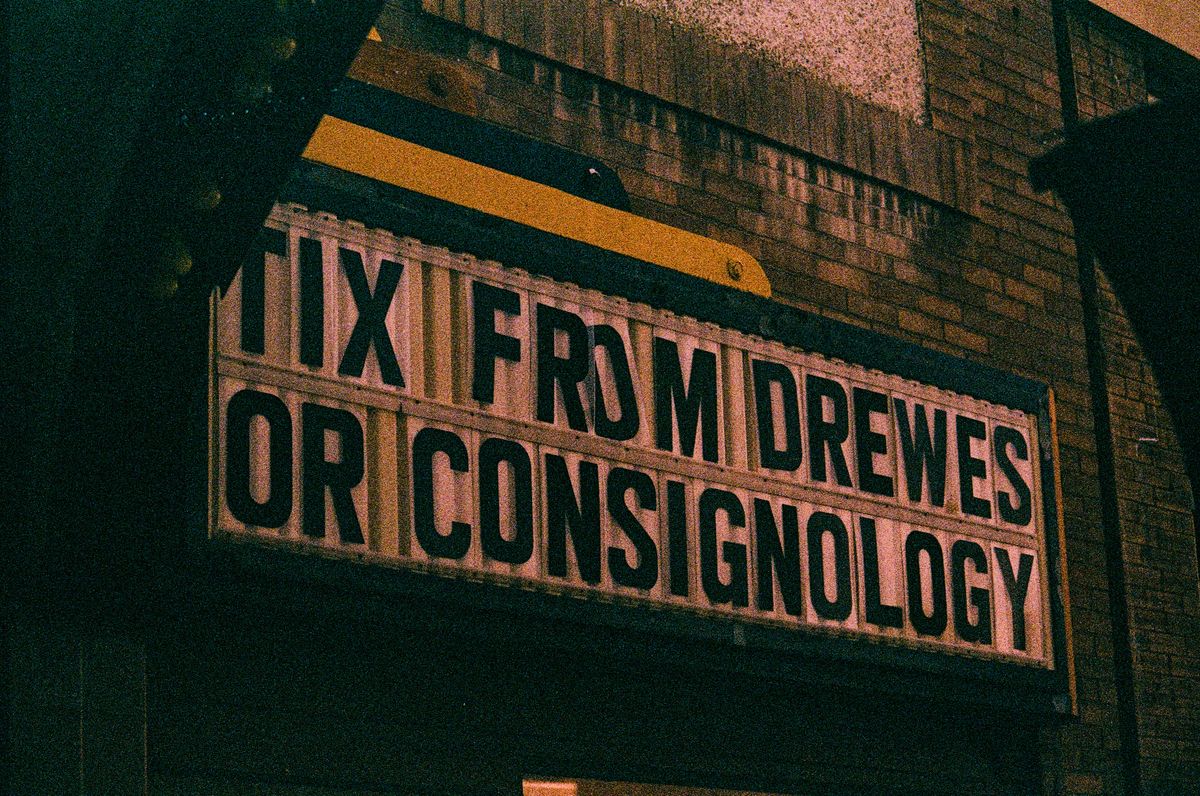
Step onto the sidewalk outside the downtown movie theater on a Saturday afternoon in 1974, and the grand neon marquee overhead washed the street in vibrant shades of ruby red and gold. You approached the freestanding glass ticket booth on the sidewalk, pushed a crumpled two-dollar bill through the circular metal speaking grille, and watched a perforated purple paper ticket pop up through the brass dispenser with a satisfying mechanical *snip*.
Going to the movies was once an affordable, grand weekly ritual for American families and teenagers. It was an immersive theatrical event complete with uniformed ushers, heavy velvet curtains that parted with operatic drama, and newsreels or cartoon shorts that played before the main feature.
Today, heading to the cinema requires reserving assigned electric recliner seats on smartphone apps, paying digital “convenience fees,” and spending sixty dollars for a family of four before even reaching the popcorn stand. Let us look back at the dramatic transformation of the American movie-going experience over the decades.
The Numbers: A Decade-by-Decade Look at Ticket Prices
For most of the 20th century, movie theater tickets were priced so that everyday working-class families could attend regularly without straining their household budget.
In 1960, the average movie ticket in the United States cost just **70 cents**. By 1970, tickets rose modestly to **$1.55**. Even in 1975, when Steven Spielberg’s *Jaws* revolutionized the summer blockbuster phenomenon, general admission averaged **$2.05**, while Saturday afternoon kids’ matinees were routinely **$1.00**.
By 1985, admission reached **$3.55**; by 1995, it averaged **$4.35**; and by 2005, tickets crossed **$6.40**. Today, standard evening adult tickets average **$14.00 to $18.00** nationwide—with IMAX, 3D, and major metropolitan theaters easily commanding **$22.00 to $26.00** per seat.
The Concession Stand: Real Butter for Pocket Change
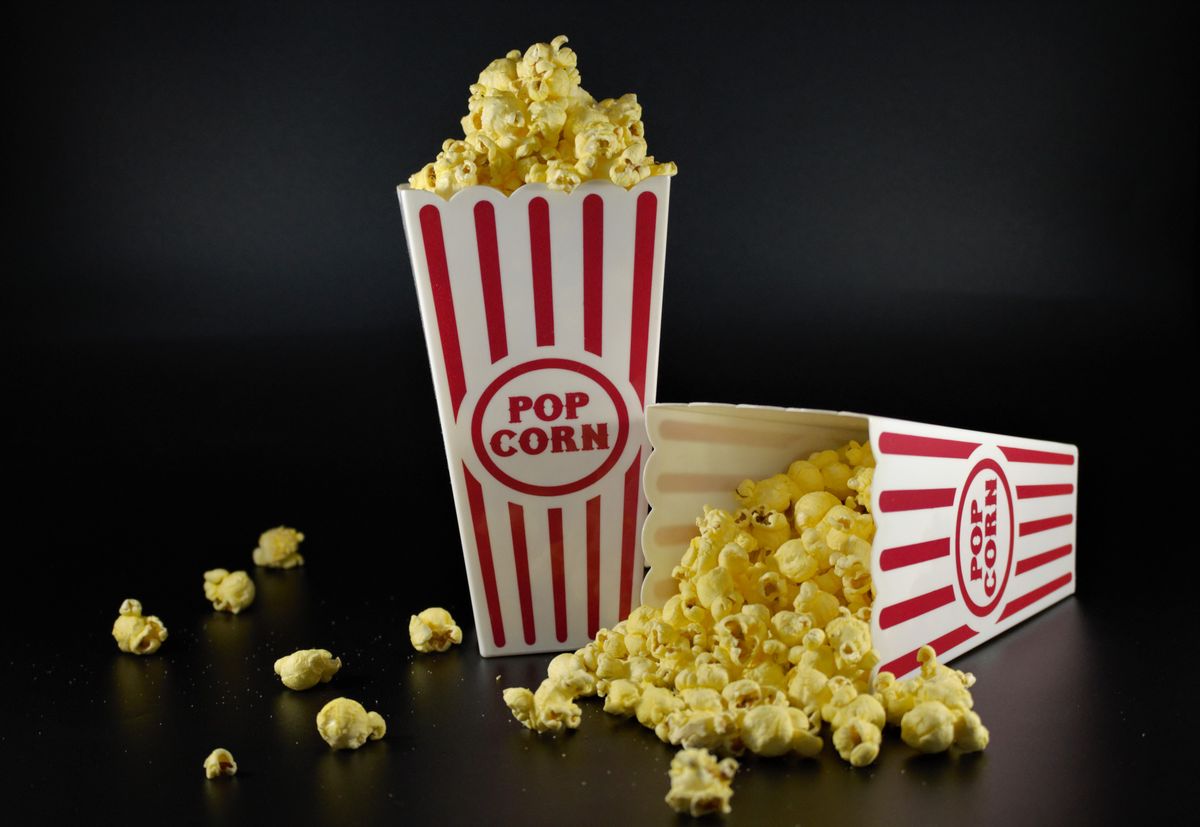
The financial disparity becomes even more staggering when examining the concession counter. In the 1970s and early 1980s, you could purchase a fresh bag of hot buttered popcorn for **35 to 50 cents** and a cold Coca-Cola or Tab for **25 cents**.
The popcorn was popped right before your eyes in a stainless steel kettle, scooped into classic red-and-white striped paper bags, and drenched in real melted golden butter upon request without an extra charge.
Classic candy boxes—like **Junior Mints**, **Milk Duds**, **Raisinets**, and **Sno-Caps**—cost **25 to 35 cents**. Today, an oversized tub of popcorn and a large soda combo frequently surpasses **$18.00 to $22.00**, costing more than the movie ticket itself.
The Grand Downtown Palace vs The Multiplex Megaplex
Decades ago, most towns had one or two grand, single-screen movie palaces built during the Art Deco or classic Hollywood golden era. The auditoriums featured soaring ornate plaster ceilings with twinkling chandeliers, tiered balcony seating, and hundreds of plush red velvet seats on a gentle downward slope.
Before the movie began, the auditorium lights dimmed gradually while soft orchestral music played through the sound system. Then, the monumental velvet stage curtain slowly rose, revealing the giant silver screen as audience applause broke out in anticipation.
Modern megaplexes, by contrast, feature twenty or thirty identical concrete shoebox auditoriums with black walls, twenty-five minutes of blaring commercial advertisements before the trailers, and stadium risers with motorized leather recliners.
The Flashlight-Wielding Usher and the Double Feature
Managing the crowd in classic cinemas was the domain of the **movie usher**. Dressed in a sharp maroon or navy uniform with brass buttons and holding a long metal flashlight, the usher escorted latecomers down dark carpeted aisles, checked tickets, and shushed noisy patrons.
Furthermore, admission frequently included a **Double Feature**—two full-length movies shown back-to-back for the price of one ticket, accompanied by a Warner Bros. *Looney Tunes* cartoon, a *Pink Panther* short, or a *Movietone* newsreel showcasing world events.
You could walk into the theater at 1:00 PM, sit through both features, and emerge into the bright late-afternoon sunlight four hours later feeling completely entertained.
Lobby Arcades, Sand Ashtrays, and Sticky Floor Nostalgia
Before stepping into the auditorium, waiting in the lobby was half the excitement. Lined against the wall next to the drinking fountain were two or three coin-operated arcade cabinets—**Pac-Man**, **Galaga**, or **Space Invaders**—where kids burned quarters trying to claim the top high score initials before the opening titles began.
In the 1960s and 1970s, polished brass standing urns filled with white sand sat beside the theater doors, where adults stamped out cigarettes before entering. The theater floors had that unmistakable, legendary tacky stickiness from decades of spilled sodas, and finding your wooden flip-down spring seat required navigating aisles in near total darkness.
The Whir of the 35mm Projector and the Intermission Clock
High above the balcony in a small square window glowed the beam of the **35mm film projector**. If you looked up during quiet dialogue scenes, you could hear the steady, soothing whir of heavy celluloid film spinning across giant metal platters, accompanied by the occasional authentic flutter of cigarette burns in the upper right corner signaling reel changes.
During double features, a cheerful animated intermission cartoon played with singing hot dogs, dancing soda cups, and a ticking countdown clock cheerfully singing: *”Let’s all go to the lobby to get ourselves a treat!”* It was pure cinematic innocence that modern pre-show digital commercials can never match.
The Loss of Spontaneous Gathering
Perhaps the biggest cultural shift is the loss of spontaneity. In past decades, deciding to see a movie was an unhurried, last-minute decision made on a Friday evening. You checked the printed showtimes in the evening newspaper, drove downtown, bought your ticket at the window, and sat wherever your eyes found open seats in the dark.
Today’s reserved seating and online booking apps have optimized efficiency, but they have also removed the communal charm of packing into a crowded single auditorium together, gasping, laughing, and cheering as one united community.
What is the most memorable movie premiere or matinee you ever attended, and what was the price of your ticket back then?
🍿 Related Cinema Story: Discover the outdoor theaters still shining in the last of America’s classic drive-in theaters and compare past entertainment budgets in what a dollar bought in America in 1975 vs today.