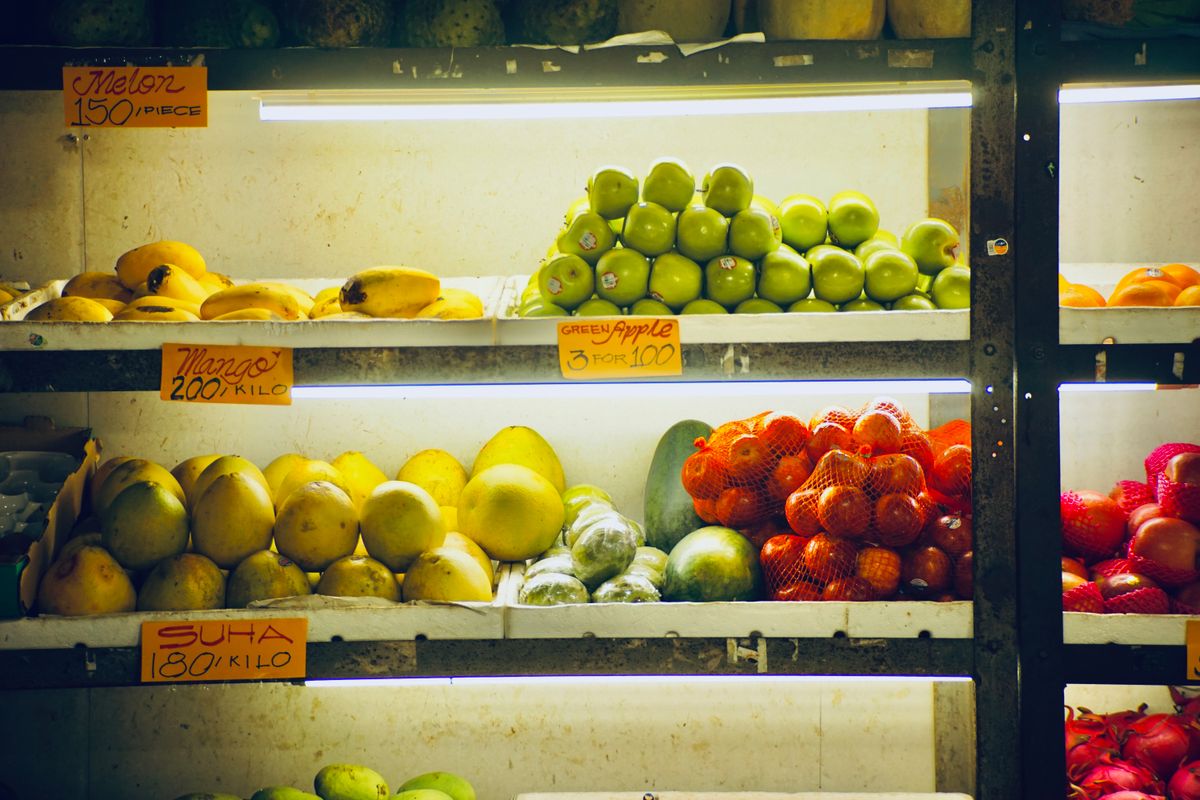
Sit down at the kitchen table on a Sunday morning in 1985, and you would witness a household ritual familiar to millions of American families: the systematic clipping of the weekly grocery circular. Armed with a pair of stainless steel kitchen scissors, mom carefully cut out twenty-five-cent coupons for Kellogg’s Corn Flakes and Folgers coffee, filing them neatly into categorized slots of a pocket-sized accordion coupon organizer.
Grocery shopping in the 1980s was an interactive, physical community event. You pushed a heavy chrome shopping cart with one wobbly wheel down wide linoleum aisles, ran into neighbors from church and school, chatted with the butcher behind the glass counter, and watched teenage bag boys carefully pack your groceries into sturdy brown kraft paper sacks.
Fast forward four decades, and the entire experience has transformed into digital touchscreens, robotic self-checkout kiosks shouting about unexpected items in bagging areas, and curbside trunk pickups ordered on smartphone apps. Let us push our carts back through time and examine how American grocery shopping has transformed since the 1980s.
The Handwritten List and the Sunday Circular
Before smartphone digital notes and automated pantry restocking apps existed, grocery planning was powered by pencil and paper. The family shopping list was scribbled on the back of a discarded electric bill envelope or magnetic notepad stuck to the refrigerator door.
Experienced shoppers organized their lists by the layout of the store: starting with produce on the right, moving through canned goods in the center aisles, and ending with ice cream and dairy right before checkout so frozen items wouldn’t melt in the summer heat.
On Wednesdays and Sundays, newspapers arrived with thick glossy flyers from local chains like **Kroger**, **Safeway**, **A&P**, or **Winn-Dixie**, advertising “Double Coupon Tuesdays” where fifty-cent manufacturer coupons were doubled in cash value at the register.
The Butcher Counter and Custom Cuts
In 1980s supermarkets, the meat department was staffed by master butchers wearing white coats, aprons, and paper garrison hats. You didn’t just pick up styrofoam trays of pre-packaged, gas-flushed ground beef from a central warehouse.
Instead, you asked the butcher for four thick pork chops or two pounds of chuck roast. The butcher weighed the meat on an overhead hanging scale, wrapped it expertly in heavy white butcher paper, folded the corners tightly, and sealed the parcel with a strip of masking tape labeled with a blue grease pencil price.
“Paper or Plastic?” and the Bag Boy Service
The checkout lane was staffed by a team of two: a skilled cashier and a dedicated bagger. When plastic grocery bags began replacing brown paper sacks in the early 1980s, the universal question of the decade was born: **”Paper or plastic?”**
Bagging was a fine craft. Sturdy paper bags were opened with a crisp snap of the wrist. Heavy canned goods and milk jugs were placed squarely on the flat bottom, followed by boxed cereals, with delicate bread loaves and egg cartons resting gently on top.
Once everything was packed, the bag boy pushed your cart directly out to the parking lot, opened the heavy tailgate of your station wagon, and loaded the bags neatly into your trunk with a friendly smile and a polite, *”Have a great day, ma’am!”*
The Checkbook at the Register and Manual Price Punching
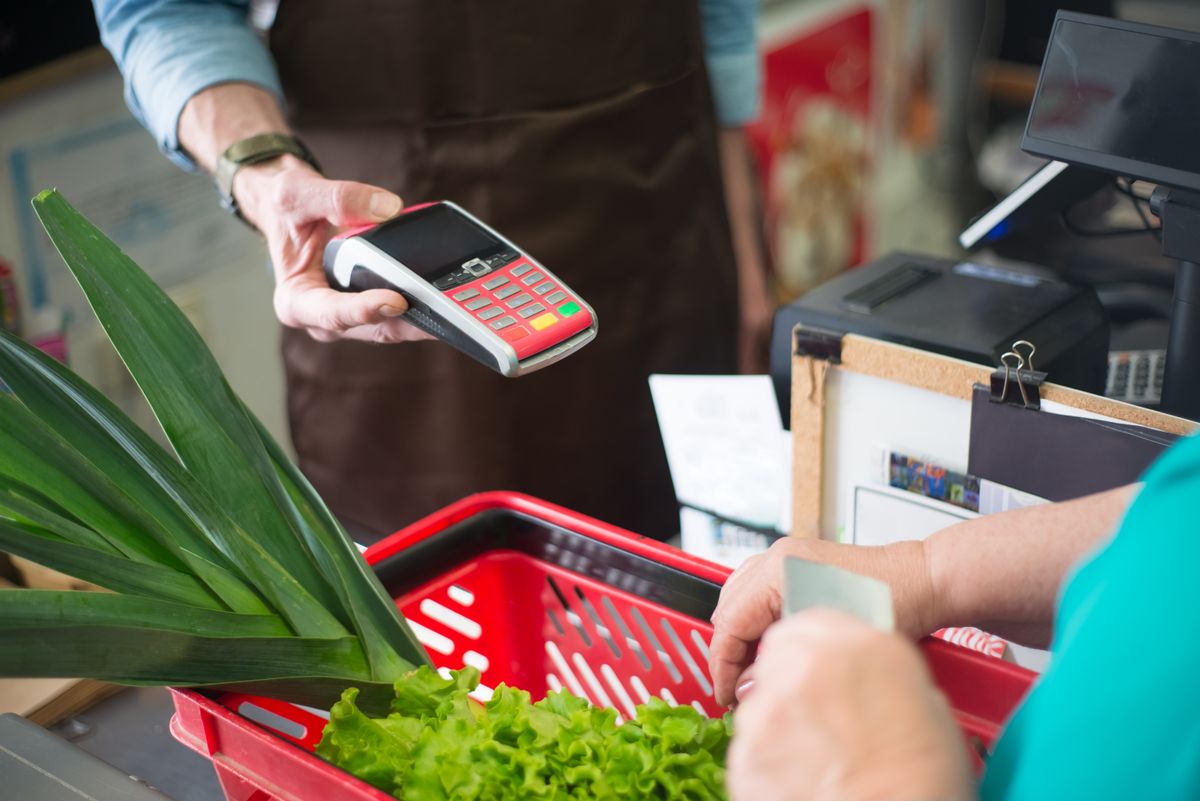
Before tap-to-pay chip cards and mobile digital wallets, paying for groceries was an unhurried, mechanical ceremony. While early laser barcode scanners began making rhythmic *beep* sounds across supermarket checkout lanes in the late 1970s and 1980s, cashiers still memorized four-digit PLU codes for every fruit and vegetable.
When the final total was rung up on the digital green VFD display, shoppers pulled out their checkbook, rested it on the chrome check-writing ledge above the conveyor belt, and handwrote a personal check. The cashier inspected a state driver’s license, ran the check through an endorsement printer, and gave you a six-foot paper receipt filled with individual prices.
The In-Store Whole Bean Coffee Grinder and S&H Green Stamps
At the end of the coffee aisle stood an iconic fixture of 1980s supermarkets: the giant red electric **Eight O’Clock Coffee grinder**. Shoppers took heavy paper bags of whole coffee beans, dumped them into the top chrome funnel, selected “Percolator” or “Drip” grind on the dial, and listened to the loud motor roar as rich, freshly ground coffee poured into the bag.
At the checkout counter, cashiers dispensed long ribbons of perforated **S&H Green Stamps** or Top Value Stamps based on your grocery total. Kids loved licking the back of each stamp to paste them into collector booklets, which your parents later redeemed at regional redemption centers for blenders, toaster ovens, and luggage.
The Rise of the Generic Black-and-White Aisle
The late 1970s and 1980s saw the emergence of the famous **generic brand craze**. Entire aisles were stocked with stark, plain white boxes and yellow cans with bold black block lettering announcing simply: **”BEER,”** **”PEANUT BUTTER,”** **”PAPER TOWELS,”** or **”CORN FLAKES.”**
With no advertising budgets, cartoon mascots, or fancy graphics, these budget items promised maximum savings for inflation-conscious families navigating economic recessions.
From Community Hub to Automated Efficiency
Today’s modern supermarket experience offers unprecedented international variety, organic options, and lightning-fast speed. Yet in gaining digital convenience, we have sacrificed the warmth of regular human interactions—the friendly banter with the butcher, the neighborhood greetings in the cereal aisle, and the trusted service of local workers.
What is the one aspect of 1980s grocery shopping that you miss the most compared to today’s modern supermarkets?
🛒 Related Price History: See how food costs evolved in grocery prices then and now: a decade-by-decade look and walk through grocery store chains that vanished from America.