
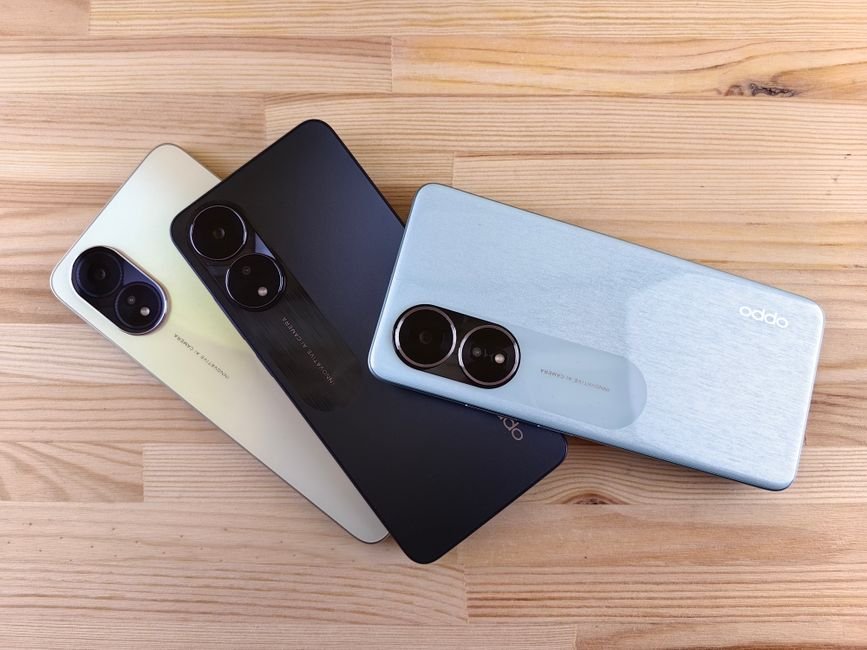
Walk into any local electronics shop or scroll through Flipkart, and you will quickly notice how crowded the sub-₹15,000 smartphone segment has become. Just a couple of years ago, buying a phone in this price bracket meant putting up with sluggish 720p screens, stuttering processors, and muddy cameras that fell apart as soon as the sun went down. Today, that narrative has changed dramatically. You can now get genuine 5G connectivity, fluid 120Hz displays, massive 6,000mAh batteries, and 50MP primary sensors with optical image stabilization without breaking your budget.
However, that abundance of choices comes with a catch. Brands have gotten smarter at cutting corners where average buyers rarely look—shipping ancient UFS 2.2 storage, packing handsets full of spammy bloatware notifications, or dropping the bundled charger from retail boxes. Over the past several months, I have tested and compared the top contenders in this bracket to see which devices genuinely hold up to daily Indian usage and which ones are merely paper tigers.
Our Take / Quick Verdict: If your priority is a bloatware-free user experience with rock-solid battery endurance, the Moto G64 5G is the best all-rounder under ₹15,000. For raw gaming performance and aggressive pricing, the Poco M6 Pro 5G punches well above its weight. Meanwhile, if you want unmatched 4-year software support, the Samsung Galaxy M15 5G remains the safest long-term bet.
What Has Changed in the Sub-₹15,000 Segment in 2026?
The biggest transformation in this segment is the complete democratization of 5G networks. With telecom operators like Jio and Airtel rolling out nationwide 5G coverage, buying a 4G-only device in 2026 makes very little financial sense unless you are hunting for an extreme entry-level phone under ₹7,000. Even sub-₹15,000 handsets now feature modern octa-core processors built on energy-efficient 6nm fabrication nodes, such as the MediaTek Dimensity 7025 and Qualcomm Snapdragon 4 Gen 2.
Another major leap forward is battery capacity. Where 5,000mAh used to be the absolute gold standard, we are now regularly seeing 6,000mAh cells. Combined with 33W to 45W fast charging, you no longer have to worry about looking for a wall socket before wrapping up your workday, even if you are heavily commuting using GPS navigation on hot summer afternoons.
Top 5 Budget Smartphones Under ₹15,000: Comprehensive Specs Breakdown
To help you compare the top contenders side-by-side, here is a detailed breakdown of their core hardware specifications, real-world pricing in India, and standout highlights:
| Device | Processor | Display | Rear Camera | Battery & Charging | Approx. Price (India) |
|---|---|---|---|---|---|
| Moto G64 5G | MediaTek Dimensity 7025 (6nm) | 6.5-inch FHD+ 120Hz IPS LCD | 50MP (OIS) + 8MP Ultrawide | 6,000 mAh (33W Charging) | ₹13,999 (8GB/128GB) |
| Realme Narzo 70x 5G | MediaTek Dimensity 6100+ (6nm) | 6.72-inch FHD+ 120Hz IPS LCD | 50MP Primary + 2MP Depth | 5,000 mAh (45W SuperVOOC) | ₹11,999 (6GB/128GB) |
| Samsung Galaxy M15 5G | MediaTek Dimensity 6100+ (6nm) | 6.5-inch FHD+ 90Hz Super AMOLED | 50MP + 5MP Ultrawide + 2MP | 6,000 mAh (25W Charging) | ₹12,499 (4GB/128GB) |
| Poco M6 Pro 5G | Snapdragon 4 Gen 2 (4nm) | 6.79-inch FHD+ 90Hz IPS LCD | 50MP Primary + 2MP Depth | 5,000 mAh (18W Charging) | ₹9,999 (6GB/128GB) |
| Redmi 13 5G | Snapdragon 4 Gen 2 AE (4nm) | 6.79-inch FHD+ 120Hz IPS LCD | 108MP Primary + 2MP Macro | 5,030 mAh (33W Turbo) | ₹13,499 (6GB/128GB) |
1. Moto G64 5G: The Clean Software Champion
If you hate dealing with pre-installed spam apps, push notifications urging you to download shady games, or lockscreen wallpaper carousels, the Moto G64 5G remains my primary recommendation. Motorola’s My UX interface is remarkably close to stock Android, providing a refreshing, uncluttered experience that feels far more premium than its ₹13,999 price tag suggests.
Under the hood, the Dimensity 7025 processor handles daily multitasking, social media feeds, and casual gaming without noticeable hiccups. What sets it apart from rivals is the camera system: it features Optical Image Stabilization (OIS) on its 50MP primary sensor. That means crisper night shots and substantially smoother handheld videos. Factor in the massive 6,000mAh battery that routinely lasts two full days of moderate use, and it is easy to see why this phone leads the pack.
2. Samsung Galaxy M15 5G: The AMOLED & Update Winner
Samsung took a very specific approach with the Galaxy M15 5G: rather than chasing high benchmarks, they focused on the display and long-term durability. It is one of the few devices in this price tier to feature a vibrant Super AMOLED panel. Contrast levels are outstanding, blacks are genuinely deep, and outdoor sunlight visibility easily outperforms LCD competitors.
Samsung also promises up to 4 generations of Android OS upgrades and 5 years of security patches. In a budget market where most manufacturers abandon their handsets after a single update, Samsung’s commitment ensures this phone will remain secure and functional well into 2028. Just keep in mind that the in-box package does not include a wall charging brick, so you will need to spend an extra ₹800 to ₹1,000 if you don’t already own a compatible Type-C PD adapter.

3. Poco M6 Pro 5G / Redmi 13 5G: Unbeatable Value for Gamers
If your budget is strictly capped closer to ₹10,000 to ₹12,000 and you want maximum processing power for BGMI, Call of Duty Mobile, or emulation, the Poco M6 Pro 5G remains virtually impossible to beat on sheer price-to-performance ratio. Powered by the 4nm Qualcomm Snapdragon 4 Gen 2 chipset, it delivers benchmark figures that were exclusive to ₹20,000 phones just eighteen months ago.
The glass back design looks remarkably sleek, and the 6.79-inch display is ideal for video streaming on YouTube and Netflix. The compromise here is the software experience: Xiaomi’s HyperOS comes with significant pre-installed bloatware. While you can uninstall or disable most of it during the initial 20-minute setup, it is something you must be prepared to tackle if you want a clean interface.
Real-World Buying Advice: Pitfalls to Avoid in This Price Bracket
When shopping under ₹15,000, don’t get misled by flashy marketing numbers on retail packaging. Here are three critical tips I always tell friends and readers:
- Ignore “Virtual RAM” Hype: Brands love to advertise “16GB RAM,” which usually means 6GB physical RAM combined with 10GB of slow storage paging. Always check the physical RAM specification. In 2026, you need at least 6GB of physical RAM for smooth multitasking.
- 2MP Macro and Depth Sensors are Useless: Do not choose a triple-camera phone over a dual-camera phone just because of extra lenses. Those 2MP sensors are purely there for marketing aesthetics. A single good 50MP sensor with an 8MP ultrawide is infinitely more useful.
- Check 5G Band Support: Ensure the phone supports at least N28, N78, and N77 bands for comprehensive coverage on Indian 5G networks (Jio and Airtel). All the models featured in our comparison table pass this test.
If you find yourself wondering whether 5G connectivity even justifies upgrading from your current phone, be sure to read our detailed analysis on 5G vs 4G Phones — Does It Actually Matter for Everyday Users? where we break down battery drain and daily network speeds.
Frequently Asked Questions
1. Which smartphone has the best camera under ₹15,000?
The Moto G64 5G offers the most consistent real-world camera performance in this segment thanks to its 50MP primary sensor with Optical Image Stabilization (OIS) and an 8MP secondary sensor that actually works as an ultrawide and macro lens.
2. Can budget phones under ₹15,000 run BGMI and Free Fire smoothly?
Yes. Phones powered by the Snapdragon 4 Gen 2 (like Poco M6 Pro) or Dimensity 7025 (Moto G64) can comfortably run BGMI at 40fps (Smooth + Ultra settings) without serious thermal throttling or severe frame drops during casual gaming sessions.
3. Do all phones under ₹15,000 include a charger in the box?
No. While Motorola, Poco, and Realme still bundle fast charging adapters in the retail package, Samsung (Galaxy M15/F15) no longer includes a power brick. Factor in an additional ₹800 to ₹1,000 if you require an original charger.
4. Is 128GB storage enough in 2026?
For most casual users, 128GB remains adequate if you regularly back up media to Google Photos or cloud storage. However, if you download multiple heavy games (like Genshin Impact or BGMI) and shoot frequent 1080p videos, look for models with dedicated microSD card expansion slots.
Final Verdict
Finding the right smartphone under ₹15,000 no longer requires settling for a frustrating, slow device. If you value clean, ad-free software, superior audio, and dependable OIS photography, pick the Moto G64 5G. If display quality and 5-year security longevity are your top priorities, the Samsung Galaxy M15 5G is tough to beat. Whichever you choose, stick to 6GB RAM configurations as a baseline to ensure your purchase remains snappy and usable for years to come.