
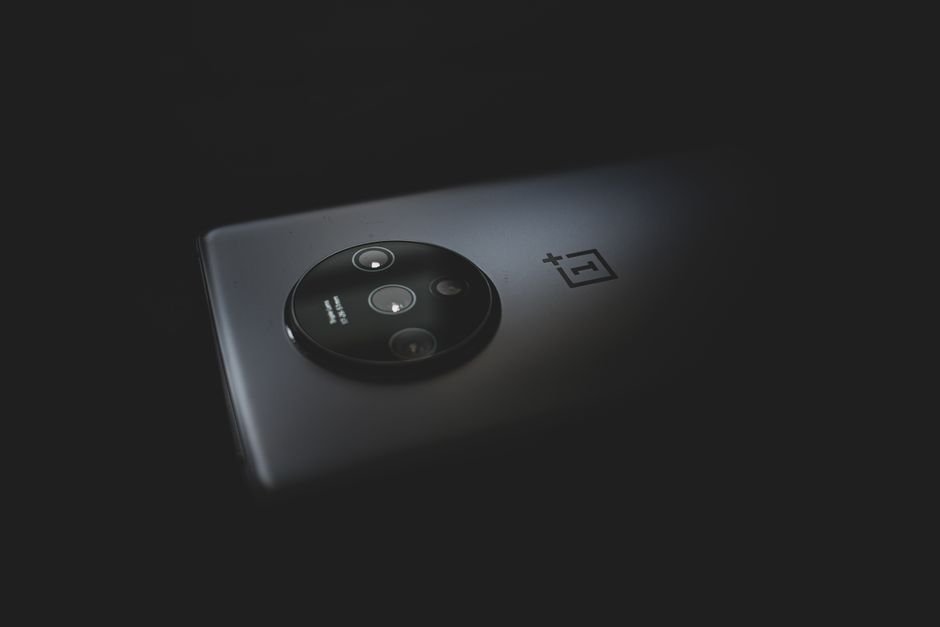
Pick up any smartphone box today, and you are almost guaranteed to see a massive number stamped proudly across the packaging: “108MP Ultra-Clear Camera” or “200MP Resolution.” Marketing departments love big numbers because they are easy to sell. But have you ever wondered why an older 12MP iPhone or a 50MP Pixel phone consistently takes cleaner, more lifelike portraits and sharper low-light photos than a budget phone boasting four times as many megapixels?
The truth is that smartphone photography has very little to do with raw megapixel counts and everything to do with optical physics, sensor surface area, image stabilization, and image signal processing (ISP). If you are in the market for a new phone and want a camera that actually suits your lifestyle—whether that means filming Instagram Reels, capturing fast-moving kids and pets, or taking majestic holiday landscapes—here is everything you need to know before spending your money.
Our Take / Quick Verdict: Don’t fall for megapixel marketing. For crisp daily photos, prioritize a large physical sensor size (1/1.56″ or larger) paired with Hardware Optical Image Stabilization (OIS). If you love portraits and travel, seek out a dedicated 3x telephoto or periscope lens instead of relying on digital zoom.
1. The Megapixel Myth: Why Bigger Numbers Don’t Mean Better Photos
A megapixel simply represents one million pixels. If you cram 200 million pixels onto a tiny fingernail-sized sensor, each individual pixel (photodiode) must shrink down to microscopic dimensions (often 0.5 to 0.6 microns). Tiny pixels capture very little light, which results in digital noise, grain, and muddy textures the second you step indoors or shoot at sunset.
To compensate, phone cameras use “pixel binning”—combining 4, 9, or 16 adjacent tiny pixels into one larger virtual pixel. That is why a 200MP phone produces 12.5MP photos by default. In reality, a premium 50MP sensor with large individual native pixels will consistently outperform a budget 108MP sensor in dynamic range, color accuracy, and low-light fidelity.
2. Sensor Size: The King of Exposure and Depth
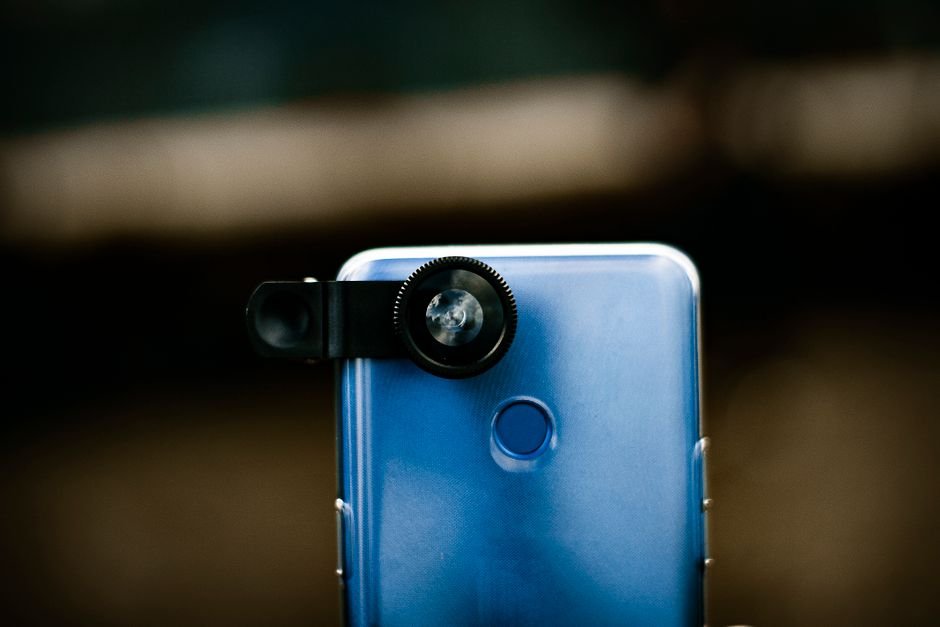
In photography, physical sensor size is the single most decisive factor. A larger sensor gathers more physical light photons without relying on aggressive AI sharpening. Look at the sensor fraction in the spec sheet:
- 1-inch type (e.g., Sony LYT-900): The gold standard found on flagship photography beasts like the Vivo X100 Pro or Xiaomi 14 Ultra. Gives natural optical background blur (bokeh) without software fakery.
- 1/1.3″ to 1/1.56″ type (e.g., Sony IMX890, Samsung GN5): The sweet spot for upper mid-range and flagship killer handsets. Delivers outstanding dynamic range and fast autofocus.
- 1/2.76″ to 1/3″ type: Typical for budget phones under ₹15,000. Acceptable in bright sunlight, but struggles noticeably indoors.
3. OIS vs. EIS: Why Optical Stabilization Matters
Optical Image Stabilization (OIS) physically suspends the camera lens inside tiny electromagnets or gyroscopic ball bearings. When your hands shake slightly, the lens physically shifts in the opposite direction to keep the incoming light rays steady on the sensor. This allows the shutter to stay open twice as long in the dark without producing blurry images.
Electronic Image Stabilization (EIS), by comparison, is purely software-based. It crops your image frame by 10% to 20% and shifts the pixels around digitally. While EIS is helpful for steadying daytime walk-and-talk video recordings, it cannot save a handheld night photo from motion blur. If a phone lacks OIS on its primary camera, prepare for blurry low-light shots.
Camera Matchmaker: Which Setup Fits Your Daily Style?
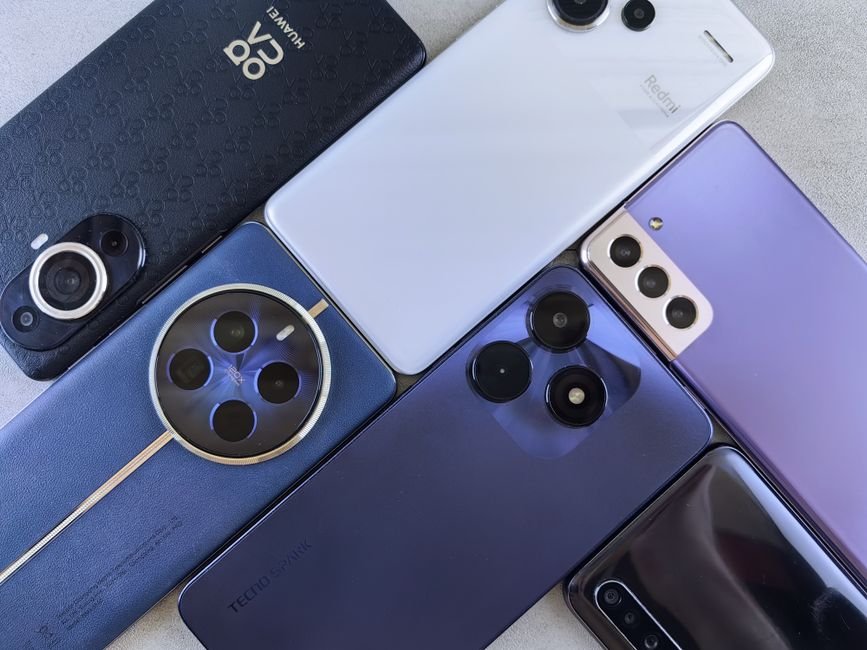
To help you pick the exact camera configuration for how you actually shoot, review our handy user persona matrix:
| Your Primary Shooting Style | Must-Have Camera Specs | Hardware You Can Safely Skip | Recommended Device Examples |
|---|---|---|---|
| Family & Pet Action | Zero shutter lag, fast PDAF autofocus, OIS on main sensor | 100x Space Zoom, decorative macro lenses | iPhone 15 / 16, Google Pixel 8a / 9, OnePlus 12 |
| Reels, Shorts & Vlogging | 4K60 video recording, high-bitrate mics, autofocus on front camera | Heavy periscope telephoto zoom lenses | iPhone 14 / 15 series, Samsung Galaxy S23 / S24 |
| Travel & Landscape | Ultra-wide (120-degree FOV with autofocus) + 3x/5x optical telephoto | Ultra-fast 120W charging bricks | Vivo X100 Pro, Samsung Galaxy S24 Ultra, Xiaomi 14 Ultra |
| Budget Everyday Social | 50MP main (1/1.56″ or 1/1.96″ sensor) with OIS | 2MP macro sensors, monochrome depth sensors | Moto G64 5G, Realme Narzo 70 Pro, Poco X6 Pro |
4. Dedicated Telephoto vs Digital Cropping
When you stand at a distance from your subject and pinch to zoom, most phones simply enlarge and crop the center pixels of the main sensor. While “in-sensor 2x zoom” has improved thanks to high sensor resolutions, anything past 3x quickly degenerates into watercolor paintings.
A dedicated 3x (approx. 70-75mm equivalent) or 5x periscope telephoto lens uses real optical glass prisms to bend light sideways through the phone body. This delivers two immense advantages: true flattering optical portraits without facial distortion, and crisp architectural detail when shooting monuments or concerts from afar.
If you’re balancing between getting a phone with flagship-grade cameras or saving money on a high-speed mid-ranger, check our in-depth comparison on Flagship Killer Phones in 2026 — Worth the Hype? to see where camera sacrifices occur.
Frequently Asked Questions
1. Why do 200MP phone cameras still output 12MP pictures?
Phone cameras use pixel binning (grouping 16 tiny pixels into one larger “superpixel”) to absorb adequate light and keep file sizes manageable. Storing full 200MP RAW photos would eat 80MB to 100MB of storage per shot and slow down camera capture.
2. Is an ultrawide camera better than a telephoto camera?
It depends on what you photograph. Ultrawide lenses are great for tight indoor spaces, group photos, and broad landscapes. However, telephoto lenses are far more flattering for human portraits and everyday street photography because they eliminate wide-angle facial distortion.
3. Why does my phone camera lag when pressing the shutter button?
Shutter lag happens when the phone’s ISP (Image Signal Processor) and CPU cannot process heavy computational HDR algorithms instantaneously. High-end chipsets (like Snapdragon 8-series or Apple A-series) feature dedicated neural processing engines that eliminate shutter lag.
4. Can software updates fix poor camera hardware?
Software updates can improve color science, balance skin tones, and reduce digital oversharpening. However, algorithms cannot magically create light if the physical sensor is too small or compensate fully if there is no physical OIS to prevent handshake.
Bottom Line
When you walk into a store or shop online, ignore promotional posters shouting about triple or quad camera arrays. Count only the cameras that matter: a physically large primary sensor with OIS and a functional secondary lens (either an autofocusing ultrawide or an optical telephoto). By prioritizing sensor optics and hardware stabilization over bloated megapixel figures, you will get memorable, gallery-worthy shots every time you press the shutter.