
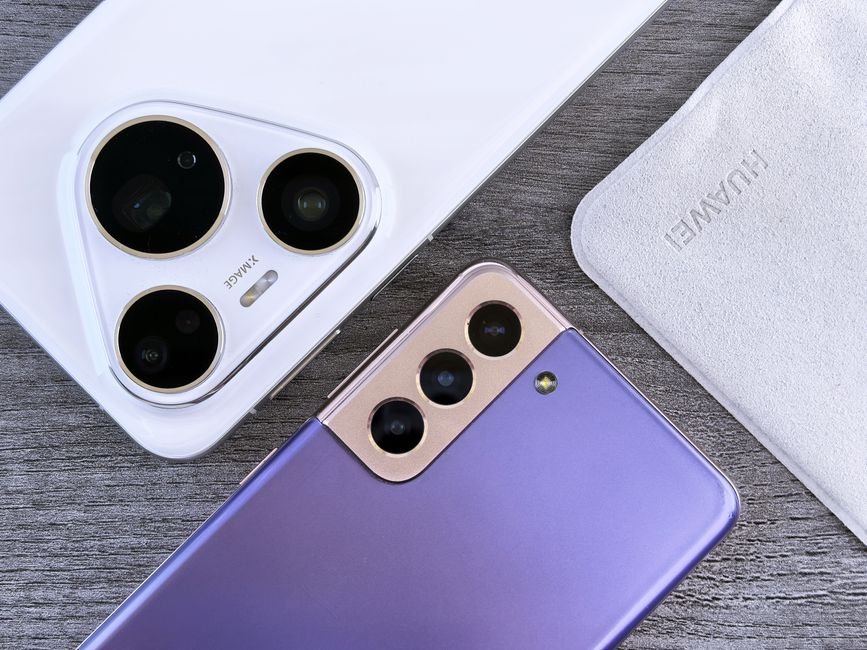
Remember when OnePlus stormed onto the scene a decade ago with the OnePlus One, promising top-tier flagship specifications at half the price? That rebellious spirit gave birth to the term “Flagship Killer.” Over the years, that terminology was often hijacked by marketing teams to rebrand ordinary upper mid-range phones. But in 2026, the flagship killer category has returned with a vengeance, creating genuine panic for ₹80,000+ ultra-premium flagships.
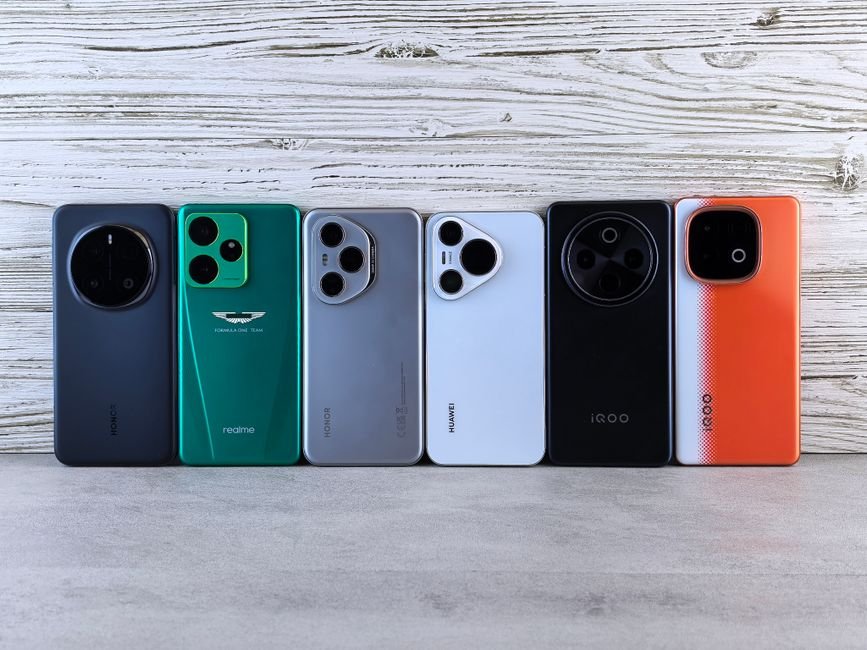
Devices like the OnePlus 12R / 13R series, iQOO Neo 9 Pro, Realme GT 6T, and Poco F6 offer top-of-the-line Qualcomm silicon, ultra-bright LTPO AMOLED displays, and blistering 100W+ charging speeds at roughly ₹30,000 to ₹40,000. That is less than half of what you would pay for a Samsung Galaxy S24 Ultra or iPhone 16 Pro. But is the hype completely justified, or are you making critical compromises that you will regret six months down the line? Let’s dig into the details.
Our Take / Quick Verdict: If your everyday phone usage revolves around gaming, high refresh rate scrolling, rapid charging, and smooth multitasking, 2026 flagship killers provide 90% of the flagship experience for 40% of the cost. However, if you rely heavily on telephoto optical zoom lenses, wireless charging, or full IP68 water submersion protection, true flagships still hold an undeniable edge.
Where Flagship Killers Match True Flagships
In three crucial hardware categories, modern flagship killers match—and sometimes outright embarrass—premium devices costing double their price:
- Raw Processing Muscle: Flagship killers do not use watered-down chips. They pack last-generation top-tier processors (like the Snapdragon 8 Gen 2) or custom-tuned sub-flagship powerhouses (like the Snapdragon 8s Gen 3 and Dimensity 9300+). App launching is instantaneous, and games like Genshin Impact run at sustained 60fps frame rates.
- Cutting-Edge Display Tech: We now get 1.5K resolution 8T LTPO AMOLED panels that dynamically ramp between 1Hz and 120Hz. Peak brightness levels frequently hit 4,000 to 6,000 nits on paper, ensuring fantastic outdoor legibility under harsh Indian sunlight.
- Charging Speeds That Leave Flagships in the Dust: While Apple and Samsung still limit wired charging to a leisurely 25W to 45W (taking over an hour for a full refill), flagship killers ship with 100W or 120W chargers in the box that top up a 5,500mAh battery from zero to 100% in roughly 25 minutes.
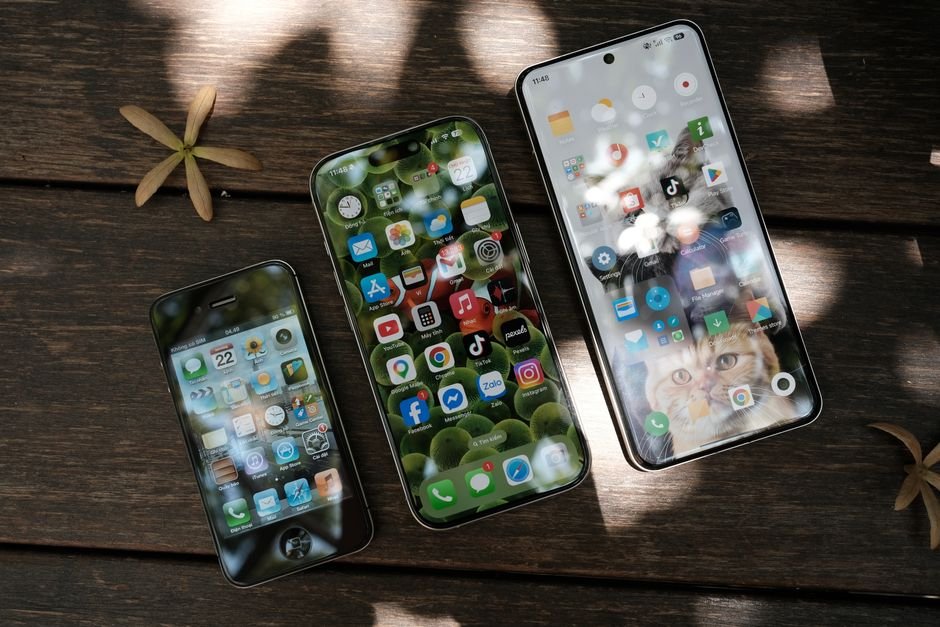
Flagship Killer vs. True Flagship: The Real Compromises
Manufacturers cannot slash phone prices in half through magic. They do it by making calculated hardware omissions that rarely show up in promotional banners. Here is what you actually give up when opting for a flagship killer:
| Feature Category | Flagship Killer (₹30,000 – ₹42,000) | True Ultra Flagship (₹75,000 – ₹1,30,000) |
|---|---|---|
| Primary Camera | Excellent 50MP Sony/OmniVision Sensor with OIS | Custom 1-inch or 200MP Large Sensor with advanced ISP |
| Secondary Cameras | 8MP basic ultrawide + 2MP macro filler | 50MP high-res ultrawide + 3x & 5x Periscope Zoom lenses |
| Build Materials | Plastic intermediate frame, glass back | Aerospace Grade Titanium or Armor Aluminum chassis |
| Water Resistance | IP64 / IP65 (Splash & rain protection only) | IP68 / IP69 (Full submersion underwater tested) |
| Wireless Charging | Almost always absent | 15W – 50W Qi2 / MagSafe Wireless Charging |
| USB Data Speed | USB 2.0 (Slow PC file transfer speeds) | USB 3.2 Gen 2 (DisplayOut & high-speed transfers) |
| Haptics & Speakers | Good stereo speakers, standard X-axis haptics | Studio-grade tuning, rich bass, ultra-precise haptic motors |
The Camera Trap: Great Primary, Mediocre Auxiliaries
The single biggest dividing line between a flagship killer and a bona fide flagship is camera versatility. On a phone like the OnePlus 12R or iQOO Neo 9 Pro, the main 50MP Sony IMX890 or IMX920 sensor will capture photos that look 95% as striking as a Galaxy S24 in daylight. Colors are punchy, dynamic range is wide, and portrait cutouts are clean.
The problem arises the moment you zoom past 2x or try shooting wide-angle landscapes at dusk. Instead of high-resolution periscope telephoto lenses, flagship killers give you a basic 8MP ultrawide that turns soft around the edges, alongside an almost useless 2MP macro sensor. If you are a travel photographer or someone who loves taking candid portrait shots from across the room, you will miss the dedicated optical zoom hardware that flagship devices provide. For a deeper breakdown of sensor physics, check out our guide on How to Choose the Right Smartphone Camera for Your Needs.
Software Support and Long-Term Thermal Throttling
Another subtle area where compromise lives is sustained thermal performance and update longevity. Putting a powerful flagship processor into a phone with a plastic frame means heat takes longer to dissipate during marathon gaming sessions. While vapor chambers have gotten larger, sustained benchmarks show flagship killers throttle down to 70-75% of their peak capability after 45 minutes of heavy load to prevent overheating.
On the software front, Google and Samsung have established an impressive benchmark with 7 years of major OS upgrades on their flagship devices. In contrast, most flagship killers top out at 3 years of OS upgrades and 4 years of security patches. If you keep your handsets for more than three years, true flagships will deliver a longer, safer shelf life.
Frequently Asked Questions
1. What makes a phone a “Flagship Killer”?
A flagship killer is a smartphone priced in the mid-range bracket (typically ₹30,000 to ₹45,000 in India) that incorporates the highest-end processors, premium displays, and ultra-fast charging found on luxury devices, while trimming non-essential luxuries like wireless charging, IP68 submersion ratings, and telephoto zoom cameras.
2. Is the OnePlus 12R / 13R a true flagship killer?
Yes. With its Snapdragon 8-series processor, 4th-gen LTPO AMOLED display, massive 5,500mAh battery, and 100W SuperVOOC charger in the box, it delivers peerless day-to-day responsiveness for its ₹39,999 asking price.
3. Do flagship killers have good resale value?
Generally, no. Premium Apple iPhones and Samsung Galaxy S-series flagships retain significantly higher resale and trade-in value after 2 to 3 years compared to enthusiast-oriented flagship killers from brands like Poco, iQOO, or Realme.
4. Does plastic frame build quality matter in everyday use?
For 90% of buyers who put their phone in a protective case on day one, a plastic composite frame is virtually indistinguishable from aluminum or titanium. In fact, plastic frames absorb shock surprisingly well and keep the device lighter in hand.
Should You Buy One in 2026?
If you have ₹40,000 burning a hole in your pocket, spending double that amount on an ultra-flagship is simply unnecessary for most people. Modern flagship killers offer rapid speeds, jaw-dropping displays, and marathon battery life with instant charging. Unless your lifestyle genuinely demands diving into swimming pools with your handset or shooting professional concert footage from the 30th row, a flagship killer is hands-down the smartest tech purchase you can make this year.