
Over the last few years, telecom giants and smartphone brands have spent billions in advertising campaigns convincing us that 5G is an indispensable revolution. We were shown advertisements of self-driving cars, remote surgeries, and downloading two-hour full-HD movies in under ten seconds at bus stops. But now that the dust has settled and 5G networks cover almost every major tier-1, tier-2, and rural district across India and the globe, what is the actual everyday reality?
If you are an everyday user who primarily browses Instagram, watches YouTube videos, pays via UPI apps (PhonePe, Google Pay), and handles office emails, does having 5G truly transform your smartphone experience? Or is it silently draining your battery, heating up your handset, and driving up mobile recharge costs? Let’s examine the real data from real-world testing.
Our Take / Quick Verdict: 5G is fantastic for high-capacity public places (airports, railway stations, malls) where 4G towers choke, and for heavy file downloads. However, for everyday web browsing, social media, and streaming, 4G LTE remains completely adequate while consuming 15% to 25% less battery and generating significantly less heat on your handset.
Speed Reality: Speedtests vs. Daily App Performance
When you stand directly under an Airtel 5G Plus (NSA) or Jio True 5G (SA) tower and run an Ookla Speedtest, seeing download speeds shoot to 400Mbps or 800Mbps is undeniably thrilling. But here is the dirty secret of everyday computing: virtually none of your daily apps can actually utilize that bandwidth.
- Streaming YouTube in 1080p: Requires approximately 5 Mbps.
- Streaming 4K Ultra HD on Netflix: Requires roughly 25 Mbps.
- High-Resolution Instagram & Reels Scrolling: Needs around 8 to 10 Mbps.
- Sending WhatsApp Messages & UPI Payments: Requires less than 1 Mbps.
A solid 4G LTE connection delivering 25 to 50 Mbps will open apps, buffer videos, and complete UPI transactions just as fast as an 800 Mbps 5G connection. Once your connection passes the 30 Mbps threshold, your perceived phone speed is limited by server response times and phone processor speeds—not cellular download bandwidth.
The Hidden Battery Tax: The Real Cost of 5G
The single biggest disadvantage of running your smartphone continuously on 5G is power consumption. 5G modems—especially when hunting between Standalone (SA) and Non-Standalone (NSA) bands—draw substantially more wattage than mature 4G modems.
In multiple battery drain tests, keeping 5G active throughout a full workday reduced screen-on-time by an average of 1 hour and 15 minutes to 1 hour and 45 minutes compared to locking the device to 4G/LTE in network settings. When you are traveling on highways or moving between indoor office basements where 5G signal penetration is weaker, the phone radio boosts its transmitter power to maintain connection, creating noticeable palm warmth and accelerated battery drop.
5G vs 4G: Real-World Daily Metrics Comparison
Here is an objective look at how both cellular generations stack up across practical everyday scenarios:
| Performance Metric | 4G LTE Connection | 5G (Jio SA / Airtel NSA) | Everyday Impact |
|---|---|---|---|
| Typical Download Speed | 20 – 60 Mbps | 200 – 700 Mbps | Noticeable only during 1GB+ game/file downloads |
| Ping / Latency | 40 – 70 ms | 15 – 30 ms | Smoother multiplayer gaming (BGMI, COD) |
| Congestion Resistance | Poor in crowded stadiums/malls | Excellent (wide spectrum capacity) | 5G wins decisively in packed events |
| Battery Drain (Mobile Data) | Baseline normal | 15% to 25% higher power consumption | 4G preserves significantly more battery |
| Device Operating Temperature | Runs cool (32°C – 36°C) | Warm under sustained use (38°C – 43°C) | Noticeable during hotspot & downloads |
| Indoor Wall Penetration | Strong (Low-frequency 850/1800MHz bands) | Moderate (Mid-band 3.5GHz drops indoors) | Frequent drops to 4G inside concrete buildings |
Where 5G Truly Shines: Congestion and Tethering
Does this mean 5G is useless? Absolutely not. There are two specific scenarios where 5G is an indispensable upgrade:
- High-Density Public Areas: Have you ever tried loading a web page or making an online payment at a packed cricket stadium, Diwali shopping bazaar, or railway platform on 4G? The signal bars show full, but nothing loads because the 4G cell tower is overloaded. 5G utilizes massive MIMO technology and wider spectrum blocks, allowing thousands of devices to transmit data concurrently without gridlock.
- Laptop Hotspot & Work-From-Anywhere: If your home broadband goes down or you frequently work from cafes, tethering your laptop to a 5G phone hotspot delivers fiber-like speeds that allow seamless 4K video conferencing, cloud code deployments, and rapid file transfers.
Smart Advice: How to Get the Best of Both Worlds
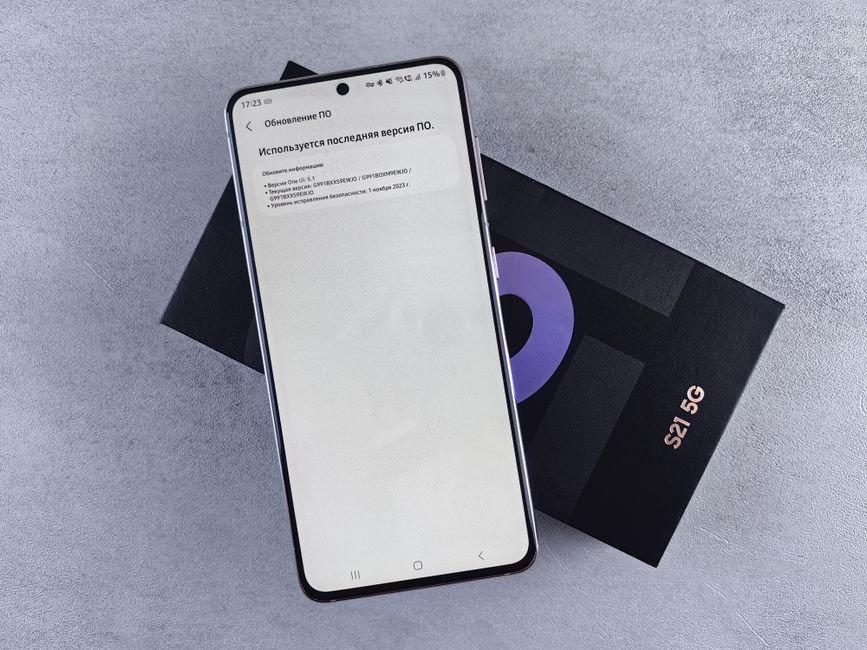
If you own a modern 5G smartphone, you don’t have to choose blindly. Most modern Android operating systems (OxygenOS, One UI, Moto UX) and Apple iOS feature an “Auto 5G” or “Smart 5G” toggle under Cellular Network Settings. This keeps your handset on energy-efficient 4G LTE during idle standby, music streaming, and WhatsApp messaging, and switches to high-speed 5G only when you initiate heavy file downloads or streaming.
Worried that keeping 5G on is degrading your phone’s battery health long-term? Make sure to check our comprehensive guide on Common Smartphone Battery Myths Busted to learn the facts about modern charging cycles.
Frequently Asked Questions
1. Should I buy a 4G-only smartphone in 2026 to save money?
No, unless your budget is strictly under ₹7,000. In the sub-₹15,000 category, virtually all capable processors (like Dimensity 6300 or Snapdragon 4 Gen 2) include 5G modems by default. Buying a 4G-only phone today severely harms your device’s resale value and future longevity.
2. Does 5G consume more mobile data than 4G for the same video?
Not inherently. Streaming a 10-minute 1080p YouTube video consumes roughly 250MB regardless of whether you are on 4G or 5G. However, apps automatically detect high 5G bandwidth and default to higher resolutions (e.g., auto-playing in 4K or caching ahead), which can deplete your daily data quota much faster.
3. Why does my phone get warm when using 5G?
5G frequencies (particularly the 3.5GHz N78 band) require high computational processing by the modem and RF front-end modules, generating more physical heat than mature, lower-frequency 4G LTE chips.
4. Can I switch off 5G to save battery?
Yes. Go to Settings > Mobile Network > Preferred Network Type > select “4G/3G/2G (Auto).” This forces your phone to stay on cool, battery-friendly 4G LTE throughout the day.
Summary
5G is an impressive technological achievement and a lifesaver in crowded urban environments. But for typical everyday tasks, it does not magically make your phone feel ten times faster than good 4G LTE. Don’t feel pressured to keep 5G blasting 24/7 if your phone is struggling to make it to bedtime on a single charge. Toggle “Smart 5G” or stick to 4G for routine office hours—your battery gauge and palm temperature will thank you.
2 thoughts on “5G vs 4G Phones — Does It Actually Matter for Everyday Users?”