
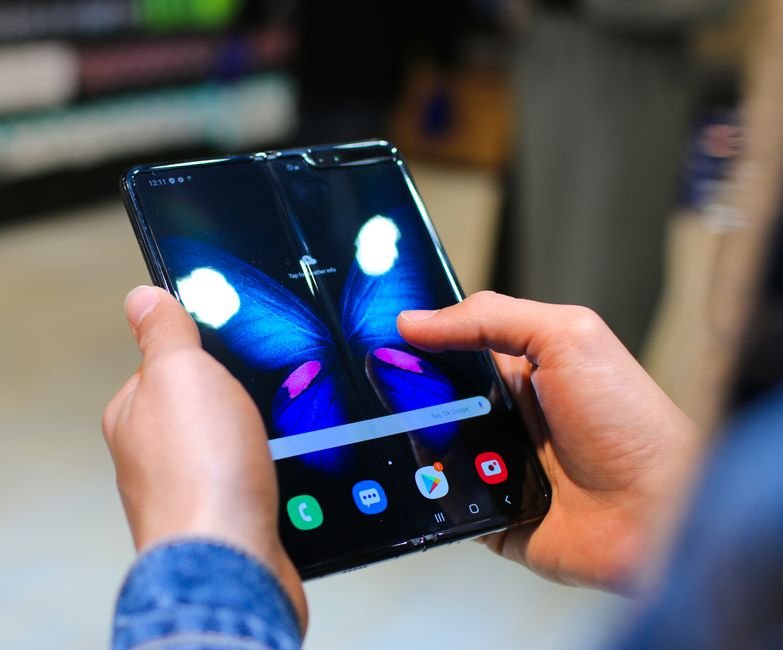
When the original Samsung Galaxy Fold launched in 2019, it was hailed as the future of mobile computing—right before early review units began snapping at the hinge and developing dead pixels within forty-eight hours. Early adopters paid astronomical sums to act as beta testers for fragile plastic screens, visible display gaps, and chunky, pocket-stretching bricks.
Fast-forward to 2026, and the foldable landscape looks radically different. We are now in the sixth and seventh generation of flexible displays. The market features refined contenders like the Samsung Galaxy Z Fold 6 and Z Flip 6, the sleek OnePlus Open, the Motorola Razr 50 Ultra, and the remarkably thin Vivo X Fold 3 Pro. But after years of iterative engineering, are foldables finally practical enough to replace your standard glass-slab smartphone as a daily driver? Let’s examine the durability, costs, and real-world day-to-day compromises.
Our Take / Quick Verdict: Yes, foldables are genuinely practical in 2026, but only if you select the right form factor. Clamshell Flips (like the Razr 50 Ultra / Galaxy Z Flip 6) are now fantastic, pocket-friendly lifestyle devices with zero compromises for average buyers. Book-Style Folds are productivity powerhouses for multitaskers, but their steep price tags (₹1,30,000+) and weighty frames mean standard slab flagships remain the safer choice for general consumers.
The Big Breakthroughs: What Foldable Engineering Got Right
If you haven’t held a foldable phone in the last two years, you will be startled by how much hardware has evolved:
- Teardrop Waterdrop Hinges: Early foldables folded like a wedge with a visible gap near the hinge where pocket lint and coins could enter. Modern teardrop hinges allow the phone to shut completely flat, eliminating gaps and dramatically reducing the central screen crease depth.
- Actual Water and Dust Resistance: Where early foldables warned you to avoid beach sand and rain droplets, handsets like the Galaxy Z Fold 6 now feature IP48 and IPX8 ratings, surviving accidental drops into sinks or usage during sudden monsoon downpours.
- Usable Outer Cover Screens: Early book foldables felt like long, skinny TV remotes when closed. Today’s models (such as the OnePlus Open and Vivo X Fold 3 Pro) sport standard 20:9 aspect ratio outer displays that function exactly like standard premium smartphones without forcing you to unfold them for quick tasks.
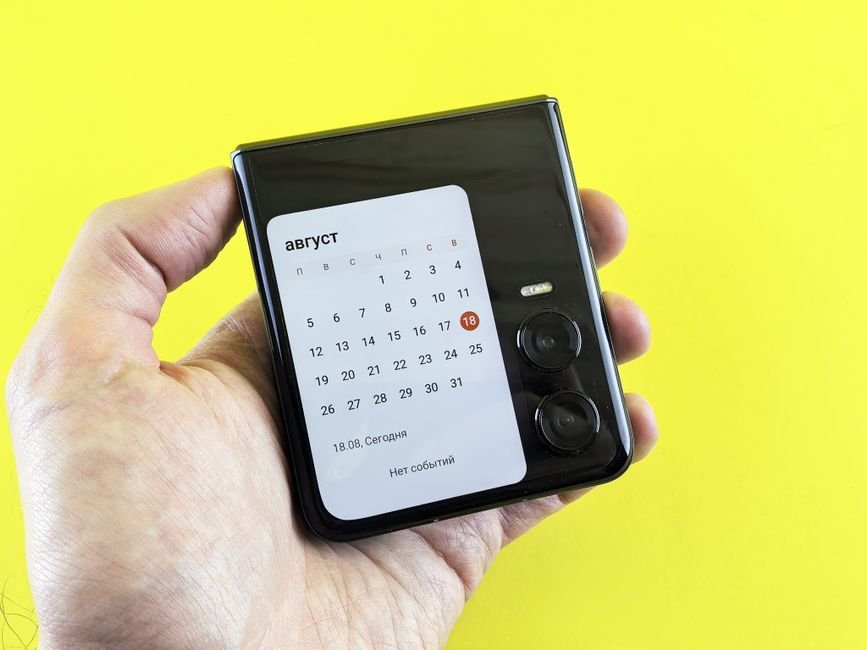
Book-Style Fold vs. Clamshell Flip: Which Form Factor Wins?
Foldables are not a single monolithic category. They fall into two distinct architectures designed for entirely different types of people:
| Feature / Dimension | Clamshell Flip (e.g. Z Flip 6, Razr 50) | Book-Style Fold (e.g. Z Fold 6, OnePlus Open) | Standard Slab Flagship |
|---|---|---|---|
| Target User | Casual users, fashion-conscious, pocket-savers | Power multitaskers, traders, document editors | Gamers, outdoor pros, travel photographers |
| Portability | Unbeatable (halves footprint when folded) | Chunky (230g – 240g in pocket) | Slim (180g – 210g) |
| Inner Screen Size | 6.7 to 6.9 inches (Tall 22:9 aspect) | 7.8 to 8.0 inches (Squarish 4:3 mini-tablet) | 6.1 to 6.8 inches standard |
| Camera Versatility | Dual lenses (No periscope telephoto) | Triple lenses (Main + Ultrawide + 3x Zoom) | Quad lenses with 5x/10x periscope zoom |
| Battery Capacity | 4,000 – 4,200 mAh (1-day battery) | 4,800 – 5,700 mAh (Robust endurance) | 5,000 – 5,500 mAh |
| Starting Price (India) | ₹65,000 – ₹89,999 | ₹1,30,000 – ₹1,65,000 | ₹60,000 – ₹80,000 |
The Remaining Compromises You Need to Know
Despite extraordinary mechanical progress, folding glass is still bound by the laws of physics. Before spending your hard-earned money on a foldable in 2026, you must be comfortable with three lingering realities:
1. The Internal Screen Protector Bubble
The interior folding display is made of Ultra Thin Glass (UTG) topped with an essential factory-applied plastic protective film. After 12 to 18 months of repeated folding in warm climates, the adhesive along the central crease inevitably loosens, creating an air bubble. While authorized service centers can replace it, peeling it off yourself can destroy the fragile OLED digitizer underneath.
2. Hefty Out-of-Warranty Screen Repair Costs
If you drop a standard glass slab phone and crack the screen, a replacement panel typically costs ₹6,000 to ₹15,000. If you damage the inner flexible panel of a book-style foldable out of warranty, replacement screen assemblies frequently cost between ₹40,000 and ₹55,000 in India—nearly the cost of an entire brand new mid-range phone. Purchasing an accidental damage protection plan (like Samsung Care+) is virtually mandatory.
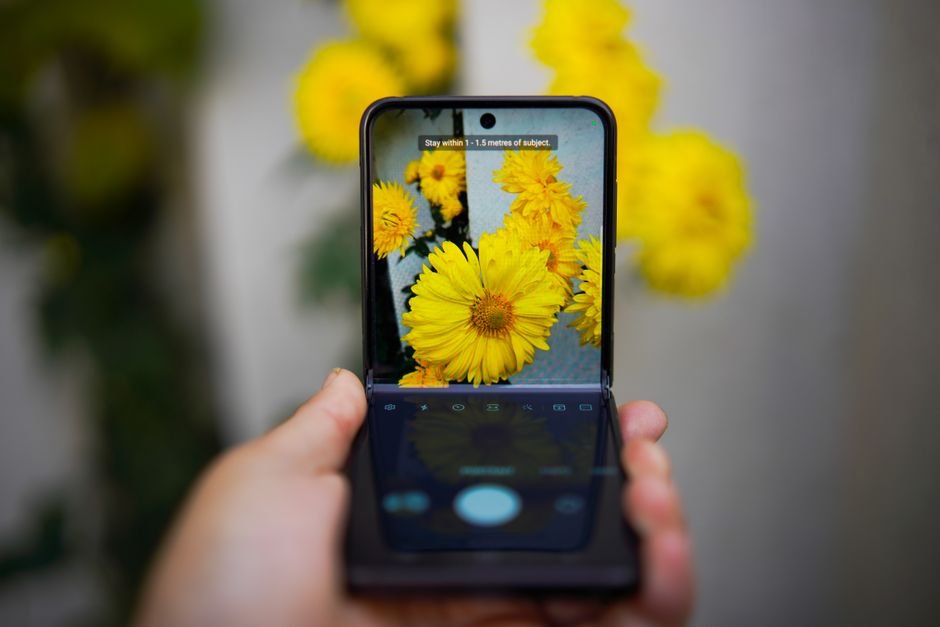
3. Camera and Thickness Tradeoffs
Because each half of a foldable phone must be wafer-thin (often just 5mm to 6mm when unfolded), fitting massive 1-inch camera sensors or heavy periscope optical prisms is extraordinarily difficult. While the cameras on the OnePlus Open and Vivo X Fold 3 Pro are impressive, a standard slab flagship like the Galaxy S24 Ultra or iPhone 16 Pro will still beat them in extreme low light and distant zoom clarity. For more on sensor optics, see our guide on How to Choose the Right Smartphone Camera for Your Needs.
Frequently Asked Questions
1. How many times can a foldable phone open and shut before breaking?
Leading manufacturers like Samsung, OnePlus, and Motorola rate their current hinges for 400,000 to 500,000 folds. If you open and close your phone 100 times every single day, the hinge mechanism is mechanically tested to survive well over 10 years of continuous use.
2. Can I use a normal screen protector on the folding screen?
No! Never install a third-party tempered glass or rigid plastic protector on the inner folding screen. The flexible display requires specialized elastic polymer films. Applying rigid adhesives will crack the internal OLED panel upon folding.
3. Is the screen crease visible during normal usage?
When looking at the screen straight-on while watching videos or reading articles, the crease is virtually invisible. However, you will still feel a subtle indentation when sliding your finger across the center, and it remains visible under direct overhead glare.
4. Are flip phones good for gaming?
They are fine for casual games, but their tall, narrow aspect ratios and split thermal dissipation make them sub-optimal for competitive shooters like BGMI. For gaming focus, check out our recommendations in Best Budget Smartphones Under ₹15,000 (Updated List) or high-performance flagship killers.
Verdict: Should You Buy One in 2026?
Foldable phones are no longer delicate concept experiments. If you want a fun, ultra-compact device that slips effortlessly into tight jeans pockets while offering full flagship power, a modern clamshell flip like the Galaxy Z Flip 6 or Motorola Razr 50 is a fantastic daily companion. And if you are an executive or creative who constantly reviews spreadsheets, reads PDFs, and juggles multiple apps on the go, a book-style foldable will genuinely transform your mobile productivity. Just invest in protective coverage, keep it away from beach sand, and enjoy the most exciting form factor innovation of the decade.